
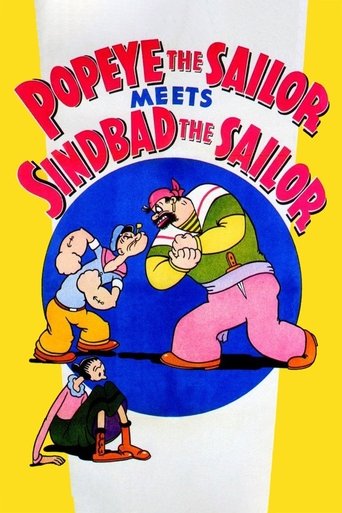
Way Back When a Nag Was Only a Horse
"Cavemen and gags collide in a Stone Age cartoon."
Keys: Space play/pause · ←/→ 10s · F fullscreen · M mute · </> speed
About this film
In 1940, a comic look at prehistoric life.
Cast & crew
More films like this
More Animation films
View all →



More from Dave Fleischer
View all →

More about this film
About the production
Release dateDecember 20, 1940
Box officeNot individually tracked - part of theatrical program bookings
ProductionFleischer Studios
Filmed inMiami, Florida (Fleischer Studios moved from New York in 1938)
This cartoon was part of Fleischer Studios' series of educational-comedy shorts that combined entertainment with historical lessons. The studio was known for their innovative Stereo-optical process, which created 3D backgrounds by placing animated cels over miniature sets. Dave Fleischer directed this during the studio's peak period before financial difficulties and Paramount's takeover in 1941. The cartoon features the studio's characteristic rubber-hose animation style and surreal humor that distinguished Fleischer from Disney's more polished approach.
Themes
Evolution of language and technologyProgress and modernizationHumor in historical perspectiveEducational entertainmentPrehistoric life vs. modern civilization
Themes & topics
Historical background
Released in 1940, Way Back When a Nag Was Only a Horse reached audiences during wartime and postwar filmmaking, when exhibition and production norms differed sharply from today's.
Why this film matters
Way Back When a Nag Was Only a Horse remains viewable through digital archives, preserving 1940 screen culture for modern audiences.
Making of
The production of this cartoon took place during a transitional period for Fleischer Studios, which had recently relocated from New York to Miami, Florida to take advantage of tax incentives and escape union pressures. Dave Fleischer, known for his spontaneous and improvisational directing style, would often come up with gags on the spot during story sessions. The studio's famous 'bouncing ball' technique, which they pioneered for sing-along cartoons, may have influenced the educational approach of this short. The animators used the studio's signature rubber-hose animation style, giving characters fluid, exaggerated movements. The Stereo-optical process, a Fleischer innovation, was likely employed to create depth in the prehistoric backgrounds, setting the studio apart from competitors who used flat background paintings.
What critics said
Modern notes on Way Back When a Nag Was Only a Horse emphasize preservation, stylistic choices, and its place within director or studio filmographies.
Did you know?
- This cartoon was released just one year before Paramount Pictures took over Fleischer Studios and renamed it Famous Studios
- The film is part of a series of Fleischer cartoons that explored historical and educational themes through comedy
- Dave Fleischer was known for his hands-on directing style, often acting out scenes for animators
- The title plays on the evolution of language, specifically how 'nag' evolved from meaning just a horse to also meaning someone who complains
- 1940 was a prolific year for Fleischer Studios, producing both this educational short and their first two Superman cartoons
- The cartoon was released during the Golden Age of American animation, when theatrical shorts were a major part of movie-going experience
- Fleischer Studios was one of the few animation houses that could compete with Disney during this period
- The prehistoric theme was popular in animation of the era, with several studios producing caveman cartoons
Visual style
The cartoon employs Fleischer Studios' signature animation techniques, including their innovative Stereo-optical process that created a 3D effect by photographing animated cels over miniature three-dimensional sets. This technique gave the prehistoric backgrounds an unusual depth and realism that distinguished Fleischer cartoons from competitors. The animation style features the characteristic 'rubber hose' technique popular in the 1930s, where characters have fluid, boneless movements. The visual design likely combines Art Deco influences with prehistoric imagery, creating a stylized version of caveman life that was typical of the era's animation. Color usage would have been vibrant, utilizing the three-strip Technicolor process that Fleischer Studios had adopted for many of their productions.
Innovations
The most significant technical achievement in this cartoon would be the use of Fleischer Studios' patented Stereo-optical process, which created a unique 3D effect by combining traditional animation with three-dimensional miniature sets. This innovation set Fleischer apart from other animation studios of the era and gave their films a distinctive visual depth. The cartoon also demonstrates the studio's mastery of the multiplane camera technique and their ability to synchronize complex animation with musical scores. The fluid character animation, achieved through the rubber-hose style, required considerable technical skill from the animators. Color technology was also a key achievement, with the cartoon likely produced in three-strip Technicolor, which was still relatively new and expensive in 1940.
Music
The musical score would have been composed by Fleischer Studios' regular music department, likely including Sammy Timberg as musical director. The soundtrack would feature original compositions that blend jazz influences with classical elements, characteristic of Fleischer's musical style. Sound effects would be prominent, using the studio's creative approach to audio that matched their visual innovation. The cartoon may include musical numbers or songs, as was common in Fleischer productions of this era. Voice work would have been done by the studio's regular talent pool, possibly including Jack Mercer or Mae Questel, though specific voice credits for this short are not well-documented.
Famous quotes
No widely documented specific quotes from this short are available in historical records, as was common for theatrical animated shorts of this era
Memorable scenes
- The opening sequence establishing the prehistoric setting with Fleischer's characteristic 3D backgrounds
- Scenes demonstrating the evolution of transportation from primitive to modern
- Wordplay sequences showing how language has changed over time
- Musical numbers combining education with entertainment
What audiences thought
As a theatrical short released in 1940, this cartoon would have been seen by movie-going audiences as part of a full program that included newsreels, previews, and a feature film. Audience response to Fleischer's educational shorts was generally positive, with viewers appreciating the humor and visual gags even if the educational content was secondary. The prehistoric theme and wordplay would have resonated with audiences of the time, who were familiar with caveman comedy tropes. Modern audiences viewing this cartoon today often appreciate it for its historical value and as an example of classic animation techniques, though some of the humor and references may feel dated to contemporary viewers.
Film connections
Influenced by
- Earlier Fleischer educational shorts
- The popularity of caveman comedy in 1930s-40s culture
- Educational film movement of the late 1930s
- Contemporary archaeological discoveries and public interest in prehistory
This film influenced
- Later educational cartoons from other studios
- The continuing tradition of caveman comedy in animation
- Modern educational animated content
Film restoration
Like many Fleischer Studios shorts, this cartoon likely exists in archived form, possibly preserved by the Library of Congress or animation archives. The rights are currently held by Paramount Pictures (successor to Fleischer Studios) and/or Universal Television (through DreamWorks Animation's acquisition of Classic Media). Some Fleischer shorts have fallen into the public domain, but the copyright status of this specific cartoon would need individual verification.
Where to watch
- Potentially available on classic animation compilation DVDs
- May appear on streaming services specializing in classic cartoons
- Possible inclusion in animation archive collections
- Museum or film archive screenings
- Public domain collections if copyright has expired (status needs verification)