
Koko's Field Daze
"Mischief prepares track race."
Keys: Space play/pause · ←/→ 10s · F fullscreen · M mute · </> speed
About this film
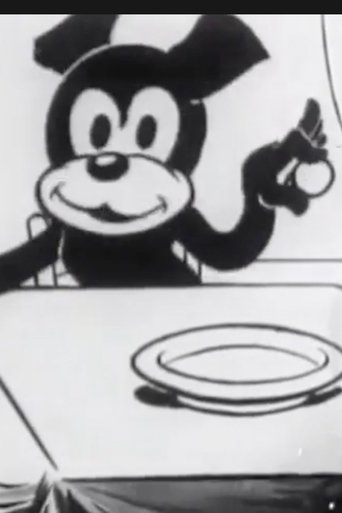
Ko-Ko is up to his usual mischief as Max prepares to run a track race.
Cast & crew
More films like this
More Animation films
View all →




More from Dave Fleischer
View all →

More about this film
About the production
Release dateMarch 17, 1928
ProductionFleischer Studios, Paramount Pictures
Filmed inNew York City, New York
This film was created using the Fleischer Studios' pioneering rotoscope technique, which allowed for realistic animation by tracing over live-action footage. The combination of live-action with Max Fleischer and animated Ko-Ko sequences required careful synchronization and multiple exposure techniques. The production utilized the innovative 'Out of the Inkwell' concept that Max Fleischer had developed, where animated characters would interact with their real-world creator.
Themes
Creator and creation relationshipMetafiction and breaking the fourth wallSports and athletic competitionMischief and chaosThe magic of animation
Themes & topics
Historical background
By 1928, competing studios crowded weekly bills, and Koko's Field Daze had to win attention alongside newsreels and shorts.
Why this film matters
Archivists revisit Koko's Field Daze (1928) for performance styles and craft choices that later releases refined or replaced.
Making of
The production of 'Koko's Field Daze' involved the innovative combination of live-action filming with Max Fleischer and traditional animation techniques. Max would perform the live-action segments first, often improvising his interactions with the yet-to-be-animated Ko-Ko. The animation team would then carefully animate Ko-Ko's movements to interact with Max's actions, using the rotoscope technique to ensure realistic movement and timing. The Fleischer studio was known for its experimental approach, and this short demonstrated their mastery of blending different media. The track and field props and settings were real, requiring careful planning to allow for the animated character's interference. The production team faced the challenge of maintaining consistent lighting and camera positioning between live-action and animation passes to create the seamless interaction that made these shorts so innovative.
What critics said
Modern retrospectives screen Koko's Field Daze for craft context—pacing, performance, and camera choices of 1928.
Did you know?
- This was one of the later films in the original Out of the Inkwell series before the transition to sound
- Ko-Ko the Clown was one of the first animated characters to have a distinct personality and recurring role
- The Fleischer brothers patented the rotoscope technique in 1917, which was heavily used in this production
- Max Fleischer would often appear as himself in these shorts, creating a meta-narrative of animator and creation
- The track and field theme reflected the 1920s sports craze and Olympic fever of the era
- This short was released just before the major transition to sound films in 1928-1929
- Ko-Ko's character design evolved significantly from his first appearance in 1919 to this 1928 film
- The inkwell effect was achieved through careful animation combined with practical effects on the live-action footage
Visual style
The cinematography of 'Koko's Field Daze' employed innovative techniques for its time, combining standard live-action filming with special effects photography to enable the interaction between Max Fleischer and Ko-Ko. The live-action segments were filmed on sets designed to accommodate animated elements, with careful attention to lighting that would work for both live-action and animation compositing. Multiple exposure techniques were used to layer the animated Ko-Ko over the live-action footage, requiring precise timing and registration. The camera work had to remain consistent between takes to ensure the animated elements would align properly with the live-action background. The track and field sequences utilized wide shots to showcase both the athletic action and Ko-Ko's interference, demonstrating the cinematographers' skill in composing shots that served both the live-action and animated elements.
Innovations
The film showcased several significant technical achievements, most notably the advanced use of the rotoscope technique that Max Fleischer had patented. This allowed for more realistic animation of Ko-Ko's movements by tracing over live-action footage. The seamless integration of live-action and animation required innovative compositing techniques that were cutting-edge for 1928. The production demonstrated sophisticated understanding of animation timing and spacing, with Ko-Ko's movements carefully synchronized to interact believably with Max Fleischer's live-action performance. The inkwell effect, where Ko-Ko appears to emerge from and return to an actual inkwell, was achieved through clever animation combined with practical effects. These technical innovations helped establish standards that would influence animation production for decades.
Music
As a silent film from 1928, 'Koko's Field Daze' was originally presented without synchronized dialogue or sound effects. The musical accompaniment would have been provided live in theaters by pianists or small orchestras, using cue sheets provided by the studio. These cue sheets suggested appropriate musical selections for different scenes, with upbeat music for the athletic sequences and playful melodies for Ko-Ko's mischief. Some theaters may have used compiled scores featuring popular songs of the era. The transition to sound was beginning during this period, but this particular short was produced and released as a silent film, representing one of the last examples of the Fleischer Studios' silent-era work before they fully embraced sound technology.
Famous quotes
Ko-Ko's mischievous laughter throughout the film
Max's exasperated reactions to Ko-Ko's interference
Memorable scenes
- The opening sequence where Ko-Ko emerges from the inkwell to disrupt Max's training
- The climactic race sequence where Ko-Ko's interference leads to comic chaos on the track
What audiences thought
Audiences in 1928 responded positively to 'Koko's Field Daze,' with Ko-Ko's antics proving particularly popular with both children and adults. The novelty of seeing an animated character interact with a real person continued to fascinate viewers, even as the technique became more familiar through the series. The sports-themed humor resonated with contemporary audiences during the height of the 1920s sports craze. Theater owners reported good attendance for the short when paired with feature films, as the Ko-Ko series had developed a loyal following. The film's success helped maintain the popularity of the Out of the Inkwell series through the challenging transition period to sound cinema.
Film connections
Influenced by
- Winsor McCay's 'Gertie the Dinosaur'
- Early vaudeville comedy routines
- Contemporary sports films
- Silent era physical comedy
This film influenced
- Disney's 'Alice Comedies' series
- Warner Bros.' 'You Ought to Be in Pictures'
- Modern meta-fictional animated works
- Who Framed Roger Rabbit
Film restoration
The film exists in archived collections and has been preserved through various film archives, including the Library of Congress and UCLA Film & Television Archive. Some versions may show deterioration typical of nitrate film from this era, but the core content remains accessible to researchers and animation enthusiasts.
Where to watch
- Available on various public domain animation compilation DVDs
- Streaming on some classic film archive websites
- Accessible through animation history collections at film archives
- Occasionally screened at classic film festivals and animation retrospectives