Keys: Space play/pause · ←/→ 10s · F fullscreen · M mute · </> speed
Plot
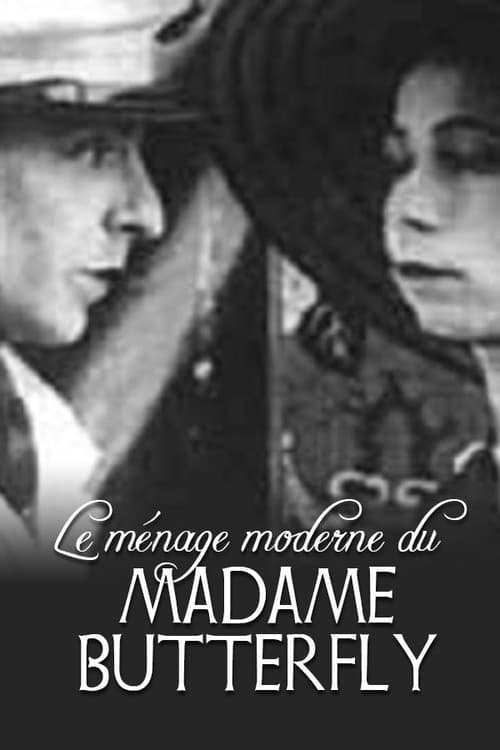
Le ménage moderne du Madame Butterfly is a groundbreaking 1920 French adult film that presents a bisexual narrative set against an exotic Asian backdrop. The story follows a Madame Butterfly-inspired character who engages in various sexual encounters with both male and female partners, challenging conventional moral boundaries of the era. The film incorporates location footage of Asian streets with rickshaws and Pacific Ocean sailing scenes, creating an illusion of authenticity and exoticism. Throughout its runtime, the film depicts explicit heterosexual, homosexual, and bisexual encounters, making it historically significant for its inclusive representation of sexual diversity during a period when such content was extremely rare and illegal in most countries.
Director
 Bernard Natan
Cast
About the Production
Release Date 1920
Box Office Unknown
Production Natan Films
Filmed In Paris, France (studio), Unknown Asian locations (stock footage)
This film was produced during a time when pornography was illegal in France and most of Europe, requiring clandestine production and distribution methods. The use of stock footage from Asia was innovative for adult films of the period, creating a more elaborate production value than typical stag films. Bernard Natan, who would later become a prominent figure in French cinema before his downfall, used his expertise to create a technically sophisticated adult film that stood out from contemporary productions.
You Might Also Like

More Romance Films
View all →




Themes & Topics
bisexualhardcoreadult filmexperimentalundergroundforbiddenAsian settingsexual liberationearly cinemaLGBTQ
Historical Background
The film emerged in post-World War I France, a period of significant social and cultural upheaval known as the Années Folles (Crazy Years). This era saw Paris become a haven for artists, writers, and intellectuals experimenting with new forms of expression and challenging traditional moral boundaries. The 1920s witnessed growing visibility of LGBTQ communities in major European cities, though homosexuality remained criminalized. The film industry itself was transitioning from silent films to more sophisticated productions, and underground cinema was pushing boundaries in ways mainstream films could not. This period also saw increased police surveillance and moral campaigns against what authorities considered 'degenerate' art and entertainment.
Why This Film Matters
Le ménage moderne du Madame Butterfly holds immense cultural significance as one of the earliest surviving examples of LGBTQ representation in explicit cinema. The film's bisexual content was revolutionary for its time, predating by decades any legitimate representation of non-heterosexual relationships in mainstream cinema. It serves as an important historical document of early 20th century sexual subcultures and the existence of diverse sexual identities despite societal repression. The film also demonstrates the sophisticated techniques being employed in underground adult cinema, challenging assumptions about the technical limitations of early pornographic productions. Its survival provides modern scholars with rare insight into the sexual mores and private expressions of sexuality during a period of intense public moralism.
Making Of
The production of Le ménage moderne du Madame Butterfly took place during a challenging period for adult filmmakers in France. Bernard Natan, working before his rise to prominence in mainstream French cinema, utilized innovative techniques including the incorporation of actual location footage to enhance the production value. The film was made clandestinely, as pornography was illegal and could result in severe penalties for both creators and distributors. The cast and crew worked anonymously to protect their identities, a common practice in underground adult filmmaking of the era. The technical sophistication of the film, including its use of multiple locations and relatively elaborate sets, suggests Natan had access to better resources than typical underground filmmakers of the period.
What Critics Said
Contemporary critical reception is impossible to determine due to the film's illegal nature and underground distribution. Modern film historians and scholars recognize the work as historically significant, particularly for its early representation of bisexual and homosexual content. Academic analysis focuses on its technical merits and cultural importance rather than erotic content, with scholars noting its relative sophistication compared to other stag films of the era. The film is now studied as an important artifact of early LGBTQ cinema and underground film history.
Did You Know?
- This is considered the earliest surviving pornographic film to depict bisexual and homosexual encounters explicitly
- The film predates the widespread legalization or decriminalization of homosexual acts in most Western countries
- Bernard Natan would later become head of Pathé-Natan, one of France's largest film studios, before being convicted of fraud
- The film's title parodies Puccini's famous opera 'Madama Butterfly', which was extremely popular at the time
- Unlike most stag films of the era, this production featured relatively elaborate sets and cinematography
- The film circulated underground for decades before being rediscovered by film historians
- It represents one of the earliest examples of LGBTQ representation in explicit cinema
- The Asian setting was created using a combination of studio sets and actual location footage, unusual for adult films of the period
- The film was likely distributed through private clubs and clandestine networks to avoid legal prosecution
- Scholars consider it an important document for understanding early 20th century sexual subcultures and underground cinema
More film details Visual style, music, quotes, restoration, and more
Visual Style
The film demonstrates surprisingly sophisticated cinematography for an underground production of its era. The incorporation of actual location footage of Asian streets and maritime scenes shows technical ambition beyond typical stag films. The camera work includes various angles and compositions that suggest professional expertise, likely reflecting Bernard Natan's background in legitimate film production. The use of both studio sets and location footage creates a more elaborate visual narrative than was common in adult films of the period.
Innovations
The film's primary technical achievement was its innovative use of location footage combined with studio photography, creating a more elaborate production than typical adult films of the period. The successful integration of Asian-themed stock footage with studio-shot content demonstrated sophisticated editing techniques for underground cinema. The film's survival in viewable condition after more than a century is itself remarkable, given the fragile nature of early film stock and the clandestine storage conditions it likely endured.
Music
As a silent film from 1920, it would have been accompanied by live music during exhibition, likely piano or small ensemble performances typical of the era. The specific musical selections would have been chosen by individual exhibitors and are not documented.
Memorable Scenes
- The opening sequence featuring authentic Asian street footage with rickshaws, which creates an immediate sense of exoticism and production value unusual for adult films of the period
What Audiences Thought
Original audience reception cannot be documented due to the clandestine nature of the film's distribution. The film likely circulated among private collectors, exclusive clubs, and underground networks that catered to audiences seeking forbidden content. Its survival suggests it was valued enough to be preserved and passed through various collectors over the decades. Modern audiences, primarily academic and archival, view the film primarily for its historical significance rather than entertainment value.
Film Connections
Influenced By
- Puccini's 'Madama Butterfly'
- French erotic literature
- Silent film melodramas
- Exoticism in art
This Film Influenced
- Later European art-house erotica
- LGBTQ cinema
- Avant-garde erotic films
Film Restoration
The film survives in archives and private collections, though its complete original version may not exist. It has been preserved by film historians and archives specializing in early and underground cinema. The surviving prints show some deterioration typical of films from this era, but remain viewable and have been digitized for academic study.
Where to Watch
- Available through specialized film archives and academic institutions
- Some versions exist in private film collections
- Digitized versions may be accessible through academic databases specializing in film history