
Bernard Natan
Director
Born: 1886 in Iași, Romania Died: 1942 Active: 1920-1939 Birth Name: Natan Tannenzaft
Films
1 film
About Bernard Natan
Bernard Natan (born Natan Tannenzaft) was a Romanian-born French film producer, distributor, and occasional director who became powerful figures in the French film industry during the 1920s and 1930s. After immigrating to France, he established himself as a film distributor before acquiring the prestigious Pathé studio in 1929, renaming it Pathé-Natan and transforming it into one of France's largest film production companies. During his tenure, Pathé-Natan produced numerous successful films and became a dominant force in European cinema. However, his empire collapsed in the early 1930s amid financial difficulties and accusations of fraud. Natan's reputation suffered further damage when he was accused of producing pornographic films, though historians debate the veracity of these claims. During World War II, as a Jewish businessman, he was arrested by the Vichy regime and eventually deported to Auschwitz, where he perished. His legacy remains controversial, with recent scholarship suggesting that many of the scandals attributed to him may have been exaggerated or fabricated as part of an anti-Semitic campaign to discredit him and facilitate the takeover of his film empire.
The Craft
Behind the Camera
Limited directorial work, primarily focused on production and business aspects of filmmaking rather than artistic direction
Milestones
- Acquired Pathé studio in 1929 and established Pathé-Natan
- Transformed Pathé-Natan into France's largest film production company
- Produced and distributed numerous successful French films during the 1930s
- Pioneered new film distribution and production techniques in Europe
- Became
Best Known For
Must-See Films
Working Relationships
Worked Often With
Studios
Why They Matter
Impact on Culture
Bernard Natan's impact on French cinema was significant during his peak years, as he modernized and expanded the Pathé studio system, introducing more efficient production methods and helping French cinema compete internationally. His business innovations in film distribution and production influenced the structure of the European film industry during the interwar period. However, his legacy has been overshadowed by the controversies surrounding his downfall, which have themselves become the subject of historical and cinematic examination.
Lasting Legacy
Bernard Natan's legacy is complex and controversial. While he was undoubtedly a major figure in the development of French cinema during the 1920s and 1930s, his reputation has been largely defined by the scandals that led to his downfall. Recent scholarship, including the documentary 'Natan' by David Cairns and Paul Duane, has sought to rehabilitate his reputation and separate fact from the anti-Semitic propaganda that may have contributed to his disgrace. His story serves as a cautionary tale about the intersection of business, politics, and prejudice in the film industry.
Who They Inspired
Natan's business practices and studio management techniques influenced the development of the European film industry's structure during the interwar period. His approach to film distribution and production helped modernize French cinema's business model. The controversies surrounding his life and career have influenced how film historians approach questions of ethics, prejudice, and reputation in cinema history.
Off Screen
Bernard Natan was born into a Jewish family in Romania and immigrated to France in the early 1900s. He married and had children, establishing himself as a prominent member of French society before his downfall. His personal life became entangled with his professional troubles, and his family suffered greatly during the Nazi occupation of France.
Education
Limited formal education documented; primarily self-taught in film business
Family
- Unknown (name not widely documented)
Did You Know?
- The exact nature of Natan's involvement in early pornographic films remains disputed by historians
- His acquisition of Pathé in 1929 was one of the largest film industry transactions of its time
- Pathé-Natan controlled approximately 300 theaters across France at its peak
- Many of the accusations against Natan emerged during a period of rising anti-Semitism in Europe
- His story was the subject of the 2013 documentary 'Natan' which sought to rehabilitate his reputation
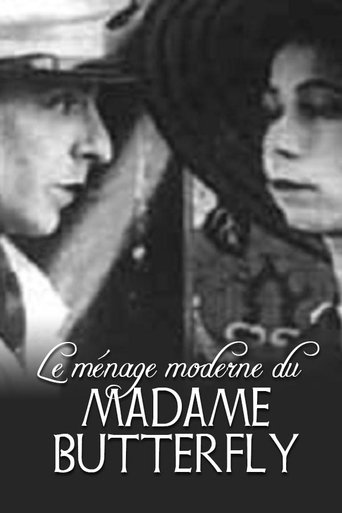
- The film 'Le ménage moderne du Madame Butterfly' is considered one of the earliest surviving pornographic films
- His business empire collapsed just before the German occupation of France
- Recent scholarship suggests many scandals attributed to him may have been fabricated
- His case represents
- His death at Auschwitz represents the tragic intersection of cinema history and the Holocaust
Frequently Asked Questions
Who was Bernard Natan?
Romanian-born French film producer and distributor who became head of the Pathé-Natan studio, one of France's largest film companies during the 1920s and 1930s. He was a major figure in European cinema until his career was destroyed by scandal and anti-Semitic persecution.
What films is Bernard Natan best known for?
Titles linked here include Le ménage moderne du Madame Butterfly (1920), Various Pathé-Natan productions during the 1930s.
When was Bernard Natan born and when did he die?
Born 1886; died 1942.
What awards did Bernard Natan win?
Bernard Natan did not receive any major film awards during his lifetime. His contributions to cinema were primarily in business and production rather than artistic recognition.
What was Bernard Natan's directing style?
Natan was not primarily known as a director, with only limited directorial work attributed to him. His main focus was on film production, distribution, and studio management rather than artistic direction.
Why is Bernard Natan controversial?
Natan is controversial due to accusations of fraud, involvement in pornographic films, and business malpractice that led to his downfall. Recent scholarship suggests many of these accusations may have been exaggerated or fabricated as part of an anti-Semitic campaign.
What happened to Pathé-Natan?
Pathé-Natan collapsed in the early 1930s amid financial difficulties and scandals. The studio was eventually reorganized and its assets were acquired by other interests, marking the end of Natan's influence in French cinema.