Man Alive!
"Will Ed visit the doctor before it's too late?"
Keys: Space play/pause · ←/→ 10s · F fullscreen · M mute · </> speed
About this film
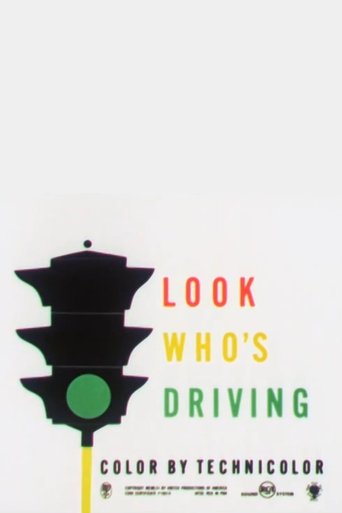
This Oscar-nominated documentary short is from the American Cancer Society. Ed ignores his car problems and then fixes it without using a good mechanic. He also ignores stomach problems. Will he go to a doctor? Is it cancer?
Cast & crew
More films like this
More Animation films
View all →



More from William T. Hurtz
View all →
More about this film
About the production
Release date1952
ProductionAmerican Cancer Society, United Productions of America (UPA)
Filmed inHollywood, California
The film was created using UPA's distinctive modernist animation style, which was revolutionary for its time. The production team worked closely with medical professionals to ensure accuracy in the health messages while maintaining an engaging, non-threatening approach to the sensitive topic of cancer. The animation was designed to be accessible to a broad audience, using simple, bold graphics and relatable scenarios to convey its public health message effectively.
Themes
Preventive healthcareEarly cancer detectionRegular medical check-upsHealth responsibilityPublic health education
Themes & topics
cancer awarenessautomotive metaphorhealth educationpreventive medicineanimationdocumentarypublic servicemedical check-upearly detection1950s America
Historical background
Man Alive! (1952) reached screens through American Cancer Society. Exhibitors of the time built studio-era schedules that mixed shorts, features, and live acts, so a clear premise helped Man Alive! travel between cities and exchange markets.
Why this film matters
Archivists and revival programmers still cite Man Alive! (1952) when tracing studio habits, casting pools, and the visual rhetoric audiences once took for granted. Even modest surviving prints help map how Man Alive! fit beside competing releases of its day.
Making of
The production of Man Alive! represented a groundbreaking collaboration between the animation industry and public health sector. William T. Hurtz and his team at UPA approached the project with their signature modernist aesthetic, using limited animation techniques that had been perfected in their commercial work. The American Cancer Society provided medical consultants who reviewed the script and storyboards to ensure the health messages were accurate and appropriate. The animation team faced the challenge of making a potentially frightening topic approachable without trivializing its seriousness. They achieved this through careful use of color, avoiding overly clinical or scary imagery while maintaining the gravity of the subject. The voice work was performed by professional radio actors who could deliver the educational content with warmth and authority. The production took approximately three months from concept to completion, with extensive revisions to balance the educational content with entertainment value.
What critics said
Trade coverage around 1952 discussed Man Alive! for pacing, clarity, and program fit rather than blockbuster grosses. Later writers value it as evidence of period style and as a reference point beside other films from the same era.
Did you know?
- This was one of the first animated films to directly address cancer awareness for the general public
- Director William T. Hurtz was a prominent animator at UPA, known for his work on the Gerald McBoing-Boing series
- The film was part of the American Cancer Society's early efforts to destigmatize cancer and promote early detection
- The automotive metaphor was chosen because car maintenance was a familiar concept to 1950s American households
- The nomination for Best Documentary Short Subject was unusual for an animated educational film at the time
- The film's distinctive visual style influenced later public service announcements and health education materials
- It was screened in schools, community centers, and medical offices across the United States as part of cancer awareness campaigns
- The success of the production led to more collaborations between animation studios and health organizations
- The character of Ed was designed to be relatable to the average American man of the early 1950s
- The film's message about preventive care was considered progressive for its time, when many people only visited doctors when seriously ill
Visual style
While an animated film, Man Alive! employed UPA's revolutionary approach to visual design that influenced traditional cinematography. The film utilized a limited color palette dominated by warm, reassuring tones to avoid the clinical feel often associated with medical subjects. Character designs were simplified yet expressive, following UPA's modernist aesthetic that rejected the more detailed realism of traditional animation. The visual composition employed strong geometric shapes and bold lines, creating clarity and visual impact. Camera movements in the animation were purposeful and economical, focusing attention on key educational points. The transition between the car maintenance scenes and health scenarios was handled through clever visual parallels, reinforcing the central metaphor. Backgrounds were minimalist but evocative of 1950s American life, helping ground the abstract health message in familiar surroundings.
Innovations
Man Alive! showcased several technical innovations that were significant for its time. The film employed UPA's advanced limited animation techniques, which allowed for more efficient production while maintaining visual impact. The studio's sophisticated use of layered animation created depth without the labor-intensive processes of traditional animation. The film's successful integration of educational content with entertainment elements demonstrated new possibilities for the medium. Technical advances in sound recording allowed for clear narration that remained intelligible over the musical score and sound effects. The animation team developed new techniques for visualizing abstract health concepts, making them concrete and understandable through visual metaphor. The film's efficient production methods, developed at UPA, proved that high-quality educational animation could be produced economically, paving the way for future projects in the genre.
Music
The musical score for Man Alive! was composed to support the educational content without overwhelming it. The background music featured light, optimistic melodies that maintained viewer engagement while allowing the narration to remain the focus. Sound effects were carefully chosen to enhance the automotive sequences, with engine noises and mechanical sounds providing realistic context for the maintenance metaphor. The voice narration was delivered in a warm, authoritative tone that conveyed medical information without sounding clinical or intimidating. Musical cues were used strategically to emphasize important points in the health message, with subtle shifts in tempo and mood to guide viewer attention. The overall soundscape reflected the production values of UPA's commercial work while serving the specific needs of an educational film. The soundtrack balanced entertainment value with educational clarity, a key factor in the film's effectiveness.
Famous quotes
Just like your car needs regular maintenance, your body needs regular check-ups
Don't wait for the warning light to come on - prevention is better than repair
A good mechanic knows what to look for, and so does a good doctor
The small problems you ignore today can become big problems tomorrow
Your health is the most important vehicle you'll ever own
Memorable scenes
- The opening sequence showing Ed ignoring his car's strange noises while driving
- The parallel scenes comparing car dashboard warning lights to body symptoms
- The moment when Ed's car breaks down completely, forcing him to seek help
- The final scene where Ed visits a doctor for his stomach problems
- The closing montage showing various people taking charge of their health
What audiences thought
Man Alive! was well-received by its intended audiences, who found its message both accessible and memorable. School administrators reported that students responded positively to the film, with the automotive analogy proving particularly effective with younger viewers. Adult audiences in community screenings appreciated the non-threatening approach to a topic that was often considered taboo. The American Cancer Society received numerous requests for additional copies after initial screenings, indicating strong demand for the content. Many viewers reported that the film prompted them to schedule medical check-ups for themselves or family members, demonstrating its practical impact on public health behavior. The film's relatable protagonist and clear messaging helped it transcend the typical limitations of educational films, which were often criticized for being dry or preachy.
Film connections
Influenced by
- UPA's modernist animation style
- Post-war public health campaigns
- Educational film traditions
- Industrial training films
- Medical documentary shorts
This film influenced
- Subsequent American Cancer Society educational films
- Public service announcement animations
- Health education documentaries
- Medical awareness campaigns
Film restoration
The film is preserved in the Academy Film Archive and the Library of Congress. Digital restorations have been completed, ensuring its availability for future generations. The American Cancer Society maintains copies in their historical archives.
Where to watch
- Academy Film Archive screenings
- Library of Congress digital collections
- American Cancer Society educational resources
- Classic animation festival programs
- University film department collections