
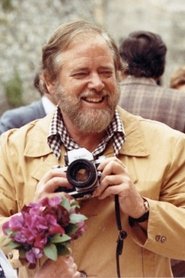
William T. Hurtz
Director
Born: November 21, 1919 in New York City, New York, United States Died: March 13, 2000 Active: 1940s-1980s Birth Name: William Thomas Hurtz
Films
3 films
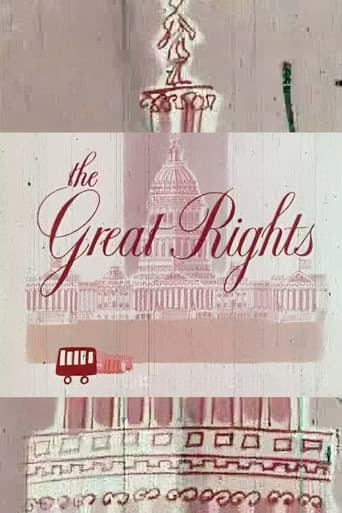
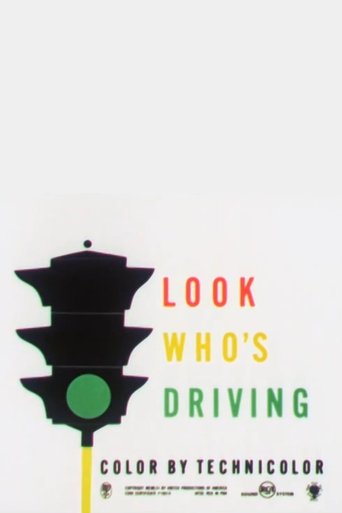
About William T. Hurtz
Made significant contributions to mid-20th century animation, particularly during the golden age of theatrical cartoons. Born in 1919, Hurtz began his career in animation during the 1940s and quickly established himself as a talented artist and director at various studios including Disney and UPA (United Productions of America). He was instrumental in developing the distinctive modernist style that characterized UPA's work, helping to move animation away from the realistic Disney style toward more abstract, stylized designs. Hurtz worked on numerous acclaimed animated shorts and television series throughout the 1950s and 1960s, including the popular Mr. Magoo series. Later in his career, he transitioned to directing educational and industrial films, creating works like 'Man Alive!' (1952), 'Look Who's Driving' (1954), and 'The Great Rights' (1963) that showcased his ability to communicate complex ideas through visual storytelling. His influence extended beyond his own films, as he mentored younger animators and helped shape the aesthetic direction of American animation during a period of significant artistic innovation.
The Craft
Behind the Camera
Hurtz was known for his modernist approach to animation, favoring simplified character designs, bold color palettes, and abstract backgrounds over the realistic style dominant in earlier animation. His directing emphasized visual storytelling through stylized movement and composition, often using limited animation techniques to create more expressive and artistic results. He had a particular talent for conveying complex ideas and emotions through minimalist visual elements, making his work both accessible and artistically sophisticated.
Milestones
- Worked at Disney Studios during the golden age of animation
- Key figure at UPA (United Productions of America)
- Directed and produced award-winning animated shorts
- Created educational and industrial films in the 1950s-1960s
- Contributed to the Mr. Magoo series
- Pioneered modernist animation techniques
- Mentored future generations of animators
Best Known For
Must-See Films
Accolades
Won
- Academy Award for Best Animated Short Film (Producer) - 'The Tell-Tale Heart' (1953)
- Multiple animation industry awards for innovative techniques
Nominated
- Additional Academy Award nominations for animated shorts
Special Recognition
- Recognized as a pioneer of modern animation style
- Honored by animation societies for contributions to the art form
Working Relationships
Worked Often With
Studios
Why They Matter
Impact on Culture
William T. Hurtz played a crucial role in revolutionizing American animation during the mid-20th century by helping to establish the modernist style that broke away from Disney's dominance. His work at UPA contributed to a new aesthetic in animation that emphasized artistic expression over realistic representation, influencing countless animators and studios that followed. The educational films he directed demonstrated how animation could be used effectively for instructional purposes, expanding the medium's applications beyond entertainment. His contributions helped establish animation as a legitimate art form capable of addressing serious subjects and complex ideas.
Lasting Legacy
Hurtz's legacy lives on through the continued influence of UPA's modernist animation style on contemporary animators and studios. His work helped pave the way for more diverse approaches to animation, proving that the medium could accommodate various artistic styles and serve multiple purposes beyond simple entertainment. The educational films he created remain examples of how animation can effectively communicate complex information to audiences of all ages. His influence can be seen in the work of modern animators who continue to explore the boundaries between artistic expression and visual communication.
Who They Inspired
Hurtz influenced generations of animators through his innovative techniques and modernist approach to the medium. His work at UPA inspired studios like Hanna-Barbera to adopt limited animation techniques for television production. The educational films he directed demonstrated the effectiveness of animation as a teaching tool, influencing the development of educational animation and corporate training films. His emphasis on stylized design and visual storytelling continues to inspire contemporary animators working in both commercial and artistic contexts.
Off Screen
William T. Hurtz maintained a relatively private personal life while being actively involved in the animation community. He was known among his colleagues as a thoughtful artist who was passionate about pushing the boundaries of what animation could achieve as an art form. Throughout his career, he was respected not only for his artistic talent but also for his willingness to mentor younger animators and share his knowledge of the craft.
Education
Studied art and animation, likely at art schools in New York City during the late 1930s
Did You Know?
- Helped pioneer the modernist animation style that broke from Disney's realistic approach
- Worked during one of animation's most innovative periods at UPA
- Contributed to the creation of the Mr. Magoo character
- Directed educational films that used animation to explain complex subjects
- Was part of the animation community's transition from theatrical shorts to television
- His work influenced the development of limited animation techniques for TV
- Participated in animation's golden age when theatrical shorts were major attractions
- Helped establish animation as a medium for serious educational content
- Worked during the period when animation was establishing itself as a legitimate art form
- Contributed to UPA's multiple Academy Award wins for animated shorts
In Their Own Words
Animation is not just about making things move, it's about making ideas visible through movement
The beauty of animation lies in its ability to simplify complexity into clear visual communication
Modern animation should embrace its artificial nature rather than trying to imitate reality
Frequently Asked Questions
Who was William T. Hurtz?
American animator and on YTB.my. He was a key figure at UPA (United Productions of America) and contributed to the development of a more stylized, artistic approach to animation that broke from Disney's realistic style.
What films is William T. Hurtz best known for?
Titles linked here include Man Alive! (1952), Look Who's Driving (1954).
When was William T. Hurtz born and when did he die?
Born November 21, 1919; died March 13, 2000.
What awards did William T. Hurtz win?
Hurtz won an Academy Award for Best Animated Short Film as producer of 'The Tell-Tale Heart' (1953) and received recognition from animation societies for his innovative contributions to the art form and his role in developing modernist animation techniques.
What was William T. Hurtz's directing style?
Hurtz's directing style was characterized by modernist aesthetics, featuring simplified character designs, bold colors, and abstract backgrounds. He emphasized visual storytelling through stylized movement and composition, often using limited animation techniques to create more expressive and artistic results.
How did William T. Hurtz influence animation?
Hurtz influenced animation by helping establish the modernist style at UPA that moved away from Disney's realism, demonstrating how animation could be used for educational purposes, and techniques that would later be adopted for television animation. His work expanded the artistic possibilities of the medium.
What was UPA and what was Hurtz's role there?
UPA (United Productions of America) was an innovative animation studio known for its modernist style and artistic approach to cartoons. Hurtz — key director and producer there, contributing to acclaimed shorts and helping develop the distinctive visual style that made UPA influential in animation history.