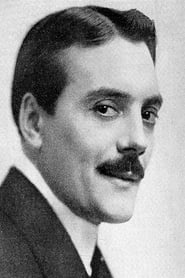

Max Fears the Dogs
"Who is chased them through city over walls even up"
Keys: Space play/pause · ←/→ 10s · F fullscreen · M mute · </> speed
About this film
Max, who fears dogs, is chased by them through the city, over walls, and even up a chimney and onto a roof.
Cast & crew
More Comedy films
View all →






More from Max Linder
View all →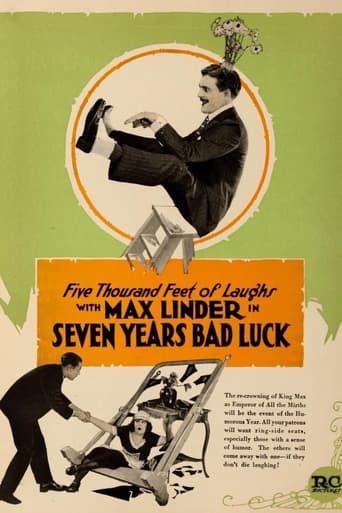
More about this film
About the production
Release date1912
ProductionPathé Frères
Filmed inParis, France
This film was part of Max Linder's popular series of comedy shorts produced by Pathé Frères, important early film production companies. The chase sequences required careful choreography and likely involved multiple takes to achieve the comic timing. The chimney and rooftop scenes demonstrated early use of vertical space in comedy filmmaking, a technique that would become standard in physical comedy.
Themes
Fear and phobiaUrban chaosComedy of embarrassmentMan versus natureSocial anxiety
Themes & topics
Historical background
Released in 1912 during the silent era's formative years, Max Fears the Dogs reached audiences when exhibitors were still defining programming conventions. The narrative hook—Max—reflects what contemporary producers thought would draw viewers.
Why this film matters
Max Fears the Dogs remains discussed by archivists tracing how screen stories of its period represented work, desire, conflict, and social order. Its central situation—Max—still prompts questions about genre conventions and audience expectations.
Making of
The production of 'Max Fears the Dogs' exemplified the efficient yet creative approach of early French cinema. Linder, who was heavily involved in writing and directing his films, likely conceived the scenario himself. The chase sequences required coordination with multiple trained dogs and careful timing to achieve the comic effect. The rooftop scenes were particularly challenging, as early film equipment was cumbersome and safety standards were minimal. Linder's dedication to performing his own stunts demonstrated the physical demands placed on early comedy stars. The film was likely shot quickly, as Pathé Frères maintained a rapid production schedule for their popular shorts, often completing films in just a few days.
What critics said
Trade and newspaper notices for Max Fears the Dogs generally emphasized casting, spectacle, and program fit rather than extended aesthetic argument. Retrospective screenings and archival notes continue to shape how viewers evaluate Max Fears the Dogs today.
Did you know?
- Max Linder was one of the first international movie stars, predating Charlie Chaplin's fame
- The original French title was 'Max a peur des chiens'
- This film was produced during the peak of Linder's popularity before World War I
- Pathé Frères distributed Linder's films globally, making him famous worldwide
- The dog chase scenes were considered innovative for their use of urban environments
- Linder performed his own stunts, including the dangerous rooftop sequences
- The film was shot on location in Paris, utilizing real city streets rather than studio sets
- This short was part of a series where Linder portrayed the same 'Max' character across multiple films
- The film's success led to similar dog-themed comedies by other early comedians
- Linder's character always wore his signature top hat and formal wear, even during physical comedy sequences
Visual style
The cinematography was typical of Pathé Frères' production style, featuring clear, well-composed shots that effectively captured the physical comedy. The camera work during chase scenes was innovative for its time, utilizing tracking shots to follow the action through urban spaces. The rooftop sequences demonstrated early use of high-angle shots to enhance the comedy and danger. The black and white photography maintained good contrast, ensuring Linder's distinctive appearance and the dogs' movements were clearly visible.
Innovations
The film demonstrated innovative use of location shooting in urban environments, a practice that was becoming more common but still challenging in 1912. The vertical chase sequences, particularly the chimney and rooftop scenes, showcased early experimentation with three-dimensional space in comedy filmmaking. The coordination of multiple animals in chase sequences required technical planning that was advanced for the period.
Music
As a silent film, 'Max Fears the Dogs' would have been accompanied by live musical performance during its original theatrical runs. The typical accompaniment would have included piano or organ music, with lively, comedic themes during chase scenes and more frantic music during moments of panic. The score would have been improvised by the theater's musician, following established conventions for silent comedy accompaniment.
Famous quotes
(Intertitle) Max has a terrible fear of dogs!
(Intertitle) Help! They're everywhere!
(Intertitle) Even the chimney is not safe!
Memorable scenes
- The climactic rooftop chase scene where Max, pursued by multiple dogs, scrambles across Parisian rooftops in his formal wear, desperately trying to maintain his dignity while fleeing his canine tormentors
What audiences thought
The film was extremely popular with audiences worldwide, contributing to Linder's status as an international star. Contemporary viewers particularly enjoyed the escalating absurdity of the chase sequences and Linder's reactions to his canine pursuers. The relatable premise of fearing dogs, combined with Linder's elegant panic, resonated across cultural boundaries. The film's success helped establish the short comedy format as a staple of cinema programming in the early 1910s.
Film connections
Influenced by
- Georges Méliès' trick films
- French theatrical comedy traditions
- Commedia dell'arte
- Early Pathé comedy shorts
This film influenced
- Charlie Chaplin's 'The Tramp' comedies
- Harold Lloyd's skyscraper films
- Buster Keaton's chase sequences
- The Three Stooges' animal shorts
Film restoration
The film is believed to be preserved in various film archives, including the Cinémathèque Française and other international collections. Some versions may be incomplete or show signs of deterioration typical of films from this era. The film has been included in various Max Linder retrospective collections and DVD compilations.
Where to watch
- Available in various Max Linder compilation DVDs
- Some streaming services specializing in silent cinema
- Film archive screenings
- YouTube (public domain versions)
- Classic film streaming platforms