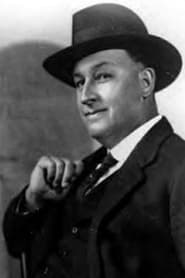
1920 · null

Also available on: YouTube
On Our Selection

On Our Selection

1920 null Australia

"null"

Family resilienceBush lifeAustralian identityRural hardshipComic misunderstanding

Plot

On Our Selection is a silent comic drama built around the beloved Dad and Dave rural stories of Steele Rudd, centering on the trials and affections of the Dawes family on their Australian selection. The film follows the household as they endure hardship, comic misunderstandings, and the everyday pressures of bush life, with the famously good-hearted but often exasperating Dad at the center of the action. Family loyalty, romantic hopes, and neighborly rivalries move the story forward, while the humor arises from the contrast between plain country common sense and the pretensions or troubles that visit the farm. As in the original stories, the narrative gradually resolves around resilience, domestic harmony, and the enduring strength of the family in the face of rural adversity.

About the Production

Release Date 1920
Budget null
Box Office null
Production J.C. Williamson Picture Productions
Filmed In Queensland, Australia

On Our Selection was made as an Australian silent feature by Raymond Longford, adapting the highly popular Steele Rudd bush stories that had already become a major part of Australian literary and stage culture. Production drew on the appeal of the Dad and Dave material, which was already deeply familiar to audiences, and the film was mounted with an emphasis on authentic-looking rural settings and Australian vernacular humor. Like many silent-era Australian productions, exact budget and earnings figures are not well documented, but the film is significant as part of the effort to build a domestic feature-film industry in competition with imported productions. The film is also notable for helping sustain the long-running screen life of the Dad and Dave characters, who remained central to Australian popular culture for decades.

Historical Background

The film was made in 1920, just after World War I, during a period when Australian society was adjusting to postwar change and the continued pressure of imported American and British films on the local market. In this climate, stories like Dad and Dave offered audiences a distinctly Australian sense of place, humor, and social identity rooted in the bush rather than the city. The film reflects a broader cultural movement toward celebrating national literature and rural mythmaking, with the selection farm standing in for both hardship and perseverance. It matters historically because it belongs to the effort to define an Australian screen tradition at a time when many silent-era local productions were competing for survival against much larger foreign industries.

Why This Film Matters

On Our Selection is culturally significant as one of the screen embodiments of Steele Rudd’s enduringly popular bush mythology, helping cement Dad and Dave as iconic Australian figures. The film participates in the long tradition of representing rural Australia as a site of comic struggle, stoicism, and family solidarity, themes that resonated strongly with early 20th-century audiences. It also occupies an important place in the development of Australian national cinema, demonstrating how local filmmakers adapted familiar literary properties to attract domestic viewers. Even where the film itself is not widely seen today, its place in the Dad and Dave lineage gives it lasting importance in Australian film history and popular memory.

Making Of

On Our Selection was made during the formative years of Australian feature production, when filmmakers were often working with limited resources, modest documentation, and a strong need to appeal to local audiences who already knew the source material. Raymond Longford’s approach relied on translating the familiar literary tone of Steele Rudd’s sketches into a visual medium that could preserve the warmth, comic timing, and bush authenticity of the originals. Casting and presentation would have been especially important because the success of Dad and Dave material depended heavily on recognizable character types and dialect humor rather than elaborate spectacle. As with many silent-era productions, surviving behind-the-scenes records are sparse, but the film is understood as a carefully made adaptation intended to capitalize on an established Australian cultural property while reinforcing national cinematic identity.

Visual Style

The cinematography would have been shaped by silent-era Australian production practices, with an emphasis on readable staging, outdoor rural locations, and clear visual storytelling. The Queensland setting likely provided natural light and authentic landscape texture, helping the film evoke the bush environment central to the source material. Raymond Longford’s films often favored practical, direct visuals over flamboyant technique, and this adaptation would have relied on composition, performance, and location atmosphere to carry the comedy and drama. As a silent film, it would also have used intertitles to support dialect, humor, and narrative clarity.

Innovations

The film’s principal achievement lies in its successful adaptation of a uniquely Australian literary and comic world to the silent screen. Its use of rural Queensland locations and straightforward visual narration helped anchor the story in a recognizable Australian landscape, which was important in distinguishing local productions from imported films. While it is not known for a major technological innovation, its significance comes from professional feature filmmaking in an era when Australian cinema infrastructure was still developing. The film also demonstrates the craft of translating dialect humor and character-based storytelling into silent visual form, an achievement in itself for the period.

Music

As a silent film, On Our Selection would originally have been exhibited with live musical accompaniment, varying by venue and accompanist. No original composed score is commonly documented in surviving reference sources, and specific cue sheets are not generally known to be extant. Present-day screenings of silent Australian films of this period, when available, often use later reconstructed or improvised accompaniment rather than a verified original soundtrack. The film therefore belongs to the era when music was an exhibition practice rather than a fixed recorded element.

Famous Quotes

null

Memorable Scenes

  • The family’s everyday struggles on the selection, presented through comic bush-life situations that highlight Dad’s practical stubbornness and the family’s resourcefulness.
  • Scenes emphasizing the contrast between the harsh rural environment and the warmth of domestic life, a hallmark of the Dad and Dave tradition.

Did You Know?

  • The film adapts Steele Rudd’s famous Dad and Dave bush stories, which were among the most recognizable comic literary creations in Australia at the time.
  • Raymond Longford was one of the key figures of the Australian silent cinema era, and this film is part of his important body of work.
  • The title On Our Selection became a foundational brand for the Dad and Dave screen and stage tradition, later inspiring multiple remakes and reinterpretations.
  • Because silent-era Australian production records are incomplete, details such as budget and exact runtime are often difficult to verify with certainty.
  • The film is associated with Queensland locations, reinforcing the bush setting central to Steele Rudd’s stories.
  • This 1920 version is distinct from later screen adaptations using the same or similar title, including later sound-era versions.
  • The film belongs to a period when Australian filmmakers were trying to establish locally made features that could compete with Hollywood imports.
  • Dad and Dave were already familiar to audiences through literature and popular performance, which likely aided the film’s appeal.
  • The picture is an important artifact of early Australian screen comedy and rural melodrama, blending sentiment with broad humor.
  • Its survival status is significant to collectors and historians because many Australian silent films have been lost.

What Critics Said

Contemporary critical reception is not fully preserved in easily accessible detail, but the film appears to have been treated as a noteworthy local entertainment drawing on a well-known and beloved source. In retrospect, historians value it less for formal innovation than for its cultural importance as an early Australian feature and as a Raymond Longford adaptation of a major national comic property. Modern assessments generally place it within the context of silent Australian cinema’s struggle for visibility and preservation, and it is often discussed as part of the larger Dad and Dave screen tradition. Because surviving documentation is limited, critical reputation today is shaped more by historical significance than by abundant contemporary review evidence.

What Audiences Thought

Audience response was likely favorable among viewers familiar with Steele Rudd’s stories and receptive to bush comedy rooted in Australian life. The material’s popularity in print and stage forms suggests the film benefited from strong pre-existing recognition, especially among audiences who enjoyed seeing familiar characters and situations adapted for the screen. In the absence of comprehensive box office records, reception must be inferred from the fact that the Dad and Dave property remained valuable enough to inspire later film and sound adaptations. As with many silent-era local features, audience appeal seems to have depended on cultural familiarity, regional identity, and the pleasure of seeing an established comic world translated into cinema.

Film Connections

Influenced By

  • Steele Rudd’s Dad and Dave stories
  • Australian bush literature and comic sketches
  • Popular stage adaptations of On Our Selection

This Film Influenced

  • On Our Selection (later adaptations and the Dad and Dave film tradition)
  • Dad and Dave Come to Town (1938)
  • Dad Rudd, M.P. (1940)

Film Restoration

The film is regarded as a rare silent-era Australian feature, and like many films from this period its survival status is uncertain in general reference sources; it is best treated as partially preserved or surviving only in limited archival form unless a specific archive copy is confirmed. Silent Australian features were frequently lost, making any surviving material especially valuable to film historians. If extant, it would likely be held in archival collections rather than in general circulation.

Themes & Topics

Australian bushfamily farmcomic rural lifeDad and Daveselection farmsilent comedy-dramaSteele Rudd adaptationQueensland