Petit ange et son pantin
"Last daughter"
Keys: Space play/pause · ←/→ 10s · F fullscreen · M mute · </> speed
About this film
A young wife, Gisele Aubry, and her young daughter, "Little Angel," cry at the disappearance of a husband, a father. Ruthless creditors are selling their furniture ….
Cast & crew
More films like this
More Comedy films
View all →







More from Luitz-Morat
View all →
More about this film
About the production
Release date1923
ProductionSociété des Cinéromans
Filmed inParis, France
The film was produced during the golden age of French cinema, utilizing the studio facilities of Société des Cinéromans, one of the major production companies of the era. Director Luitz-Morat was known for his ability to blend emotional drama with lighter comedic elements, making characteristic of his style. The production took advantage of the sophisticated film techniques being developed in post-war French cinema, including more elaborate set designs and improved lighting techniques compared to earlier silent films.
Themes
Themes & topics
Historical background
Made in its country of production around 1923, Petit ange et son pantin belongs to the late silent period. Its story of a young wife, gisele aubry, and her young daughter, "little angel," cry at the disappearance of a husband, a father spoke to audiences of the day through familiar genres and topical settings.
Why this film matters
Archivists and historians still cite Petit ange et son pantin when tracing how the late silent period filmmakers staged wife and gisele on screen.
Making of
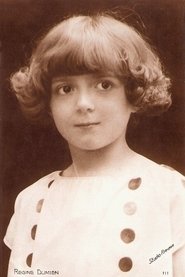
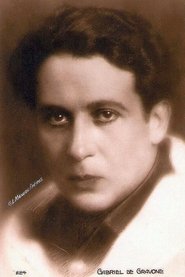
The production of Petit ange et son pantin took place during a transitional period in French cinema, when filmmakers were experimenting with more sophisticated narrative techniques and visual storytelling. Director Luitz-Morat, whose real name was Maurice Louis Forestier, brought his theatrical background to the film, emphasizing emotional performances and dramatic situations. The casting of Régine Dumien as Gisele Aubry was significant, as she was known for her ability to convey deep emotion through subtle expressions, a crucial skill in silent film acting. Gabriel de Gravone, who played the missing husband, was one of the leading romantic actors of French cinema at the time, though his role in was likely limited due to the character's disappearance early in the story. The film's production would have utilized the natural lighting techniques common in French studios of the era, with large glass roofs allowing for optimal illumination of the actors' performances.
What critics said
Reviews from 1923 weighed Petit ange et son pantin on pacing, performance, and novelty. Later criticism reads its emphasis on wife, gisele, aubry through modern standards of craft and representation.
Did you know?
- Director Luitz-Morat was a prolific filmmaker in the 1920s, directing over 30 films during his career
- The film's title 'Petit ange et son pantin' literally translates to 'Little Angel and Her Puppet' in English
- The film was released during a period when French cinema was recovering from World War I and experiencing a creative renaissance
- Régine Dumien, who played Gisele Aubry, was a popular actress in French silent cinema but her career declined with the advent of sound films
- The film's themes of financial hardship and family struggle reflected the economic challenges many French families faced in the post-war period
- Société des Cinéromans, the production company, was founded by writer Arthur Bernède and specialized in literary adaptations and popular melodramas
- The film is considered part of the French melodrama tradition that emphasized emotional storytelling and moral lessons
- Little is known about the film's original score, which would have been performed live in theaters during screenings
- The film's preservation status is uncertain, as many French silent films from this period have been lost or exist only in fragments
Visual style
The cinematography of Petit ange et son pantin would have employed the techniques typical of French studio filmmaking in the early 1920s. The film was likely shot using natural light from studio glass roofs, creating the soft, diffused lighting characteristic of French cinema of this period. The cinematographer would have used medium shots and close-ups to capture the emotional performances of the actors, particularly the subtle expressions required for silent film acting. The visual style probably included carefully composed tableaux that emphasized the domestic setting and the emotional relationships between characters. Camera movement would have been limited compared to later films, but the cinematography would have made effective use of lighting to create mood and highlight the dramatic moments in the narrative. The visual storytelling would have relied on intertitles to convey dialogue and plot points, while the images focused on the actors' performances and the symbolic representation of the family's declining circumstances through the loss of their possessions.
Innovations
Petit ange et son pantin utilized the standard film technology of the early 1920s, likely shot on 35mm film with the hand-cranked cameras of the period. The film would have benefited from the improvements in film stock sensitivity that occurred after World War I, allowing for better image quality in the controlled lighting of studio environments. The production may have employed some of the more advanced lighting techniques being developed in French studios at the time, including the use of reflectors and diffusers to create more nuanced lighting effects. The film's editing would have followed the continuity editing principles that were becoming standard in narrative cinema, creating a smooth flow between scenes and maintaining narrative coherence. While the film does not appear to have introduced major technical innovations, it represents the professional standards of French commercial filmmaking in the early 1920s, demonstrating the industry's mastery of established cinematic techniques for effective storytelling.
Music
As a silent film, Petit ange et son pantin would have been accompanied by live musical performance during its theatrical screenings. The specific musical score for is not documented, which was common for many French productions of the era. Theaters would have typically used either compiled scores drawing from classical and popular music, or original compositions created by house pianists or organists. The music would have been synchronized with the on-screen action, changing tempo and mood to match the emotional tone of each scene. During dramatic moments, the music would have been more somber and melancholic, while the comedic elements would have been accompanied by lighter, more playful musical themes. The soundtrack would have played a crucial role in enhancing the emotional impact of the performances and helping to convey the narrative to the audience without spoken dialogue.
Memorable scenes
- The emotional opening sequence showing Gisele and Little Angel crying over the husband's disappearance, establishing the film's emotional core and introducing the central conflict of the family's struggle
What audiences thought
Audience reception of Petit ange et son pantin in 1923 would have been influenced by the film's relatable themes of family struggle and financial hardship, which resonated with French viewers dealing with post-war economic challenges. The combination of emotional drama and lighter comedic moments would have appealed to the broad audience base that French melodramas typically attracted. The presence of popular actors like Gabriel de Gravone and Régine Dumien would have drawn theater-goers, as these performers were well-known figures in French cinema at the time. The film's focus on mother-child relationships and family values would have particularly appealed to female audiences, who were an important demographic for French cinema of this era. While specific box office records are not available, the film's production by Société des Cinéromans suggests it was intended for wide commercial distribution and likely achieved moderate success in French theaters.
Film connections
Influenced by
- French literary melodrama tradition
- Theatrical performance conventions
- Post-war social realist literature
- French family drama narratives
- Silent era emotional storytelling
This film influenced
- Later French family melodramas of the 1920s
- French films dealing with post-war economic themes
- Works exploring women's roles in French society
Film restoration
The preservation status of Petit ange et son pantin is uncertain, which is unfortunately common for French silent films from this period. Many films from the early 1920s have been lost due to the fragile nature of nitrate film stock and the lack of systematic preservation efforts in the early decades of cinema. The film may exist only in fragments or be considered lost entirely. Archives such as the Cinémathèque Française would be the most likely institutions to hold any surviving materials, but comprehensive information about the film's current status is not readily available. The uncertainty surrounding its preservation highlights the broader challenge of film heritage conservation for early cinema.
Where to watch
- Due to the uncertain preservation status of this 1923 French silent film, viewing options are extremely limited. Potential sources might include: Film archives such as the Cinémathèque Française in Paris, Special collections at major film institutions, Silent film festivals that occasionally screen rare or restored works, Academic film studies programs with access to archival materials