No Poster
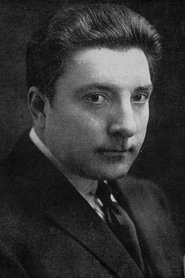
Luitz-Morat
Actor & Director
Born: June 5, 1884 in Paris, France Died: May 30, 1946 Active: 1911-1924 Birth Name: Maurice Louis Marie Weil
Films
6 films

About Luitz-Morat
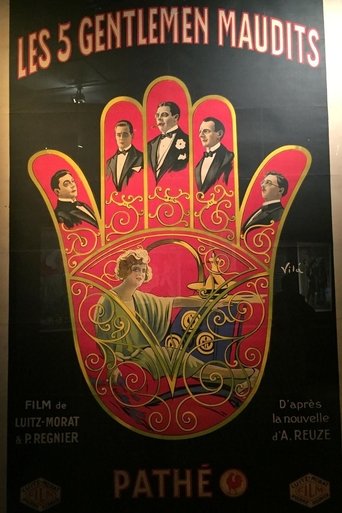
Luitz-Morat, born Maurice Louis Marie Weil, was a significant figure in French silent cinema who successfully transitioned from acting to directing during the golden age of French film. He began his career as an actor in 1911, appearing in early French productions like 'Le Fils de Locuste' and 'The Roman Orgy,' where he developed his understanding of cinematic storytelling. By 1920, he had established himself as a director, creating films that showcased his visual sensibility and narrative sophistication. His directorial work, including 'The Five Accursed Gentlemen' (1920), 'Petit ange et son pantin' (1923), and 'The City Destroyed' (1924), demonstrated his ability to craft atmospheric dramas with social commentary. Luitz-Morat was particularly skilled at creating visually striking compositions that enhanced the emotional impact of his silent narratives. His a crucial period in French cinema's development, from its early experimental phase to more mature artistic expression. Despite his contributions to French film history, much of his work has been lost over time, making him an enigmatic yet important figure in the study of early European cinema.
The Craft
On Screen
Luitz-Morat's acting style was characteristic of the French silent era, emphasizing expressive gestures and facial expressions to convey emotion without dialogue. His performances were noted for their theatricality combined with naturalistic subtlety, a balance that was particularly valued in French cinema of the period. He brought a sophisticated understanding of visual composition to his acting, using his body and expressions to create striking tableaus that enhanced the narrative impact.
Behind the Camera
As a director, Luitz-Morat was known for his atmospheric and visually sophisticated approach to filmmaking. His films often featured dramatic lighting, careful composition, and a keen eye for visual storytelling that compensated for the lack of dialogue. He was particularly adept at creating mood and tension through visual means, using location shooting and elaborate sets to enhance the dramatic impact of his narratives. His work showed influence from both French literary traditions and emerging cinematic techniques of the 1920s.
Milestones
- Acting debut in 'Le Fils de Locuste' (1911)
- Transition to directing with 'The Five Accursed Gentlemen' (1920)
- Director of 'The City Destroyed' (1924)
- work in French dramatic cinema
- Contribution to atmospheric visual storytelling in silent films
Best Known For
Iconic Roles
Must-See Films
Accolades
Special Recognition
- Recognized as an important figure in French silent cinema history
- Studied by film historians for contributions to early European cinema
Working Relationships
Worked Often With
Studios
Why They Matter
Impact on Culture
Luitz-Morat contributed significantly to the development of French narrative cinema during its formative years. His work as both actor and director provided a bridge between the theatrical traditions of early French cinema and the more sophisticated film language that emerged in the 1920s. His films, though many are now lost, were part of the cultural conversation in France during a period when cinema was establishing itself as a legitimate art form. His approach to visual storytelling influenced how French directors would use atmosphere and composition to enhance dramatic narratives in silent film.
Lasting Legacy
Luitz-Morat's legacy lies in his dual contribution to French cinema as both a performer and filmmaker during a crucial transitional period. While many of his films have been lost to time, film historians recognize him as an important figure in understanding the evolution of French silent cinema. His work represents the artistic ambitions of French filmmakers who sought to elevate cinema beyond mere entertainment to a sophisticated art form. His films are studied by scholars interested in the development of European cinematic techniques and narrative structures during the silent era.
Who They Inspired
Luitz-Morat influenced subsequent generations of French filmmakers through his sophisticated approach to visual storytelling and atmospheric direction. His work demonstrated how silent cinema could achieve emotional depth and narrative complexity through purely visual means. The techniques he developed for creating mood and tension without dialogue would influence French directors throughout the 1920s and into the early sound era. His career also served as a model for actors transitioning to directing, showing how performance experience could inform directorial vision.
Off Screen
Luitz-Morat maintained a relatively private personal life, with limited public information available about his relationships and family. Born into a French family in Paris, he adopted his stage name early in his career and used it professionally throughout his film work. His life spanned significant periods of French history, including World War I, which likely influenced his artistic perspective and thematic choices. He spent his entire life in Paris, remaining connected to the French film community even after his active career ended.
Education
Limited information available about his formal education, but he likely received training in theater and early film techniques common in France during the early 1900s
Did You Know?
- His real name was Maurice Louis Marie Weil, but he used the stage name Luitz-Morat throughout his career
- He was active during World War I, a period that significantly affected European film production
- Many of his films are now considered lost, making him an elusive figure in film history
- His active years covered only 13 years but was remarkably productive during that time
- He worked during the transition from short films to feature-length productions in French cinema
- His directorial work often incorporated social commentary, a hallmark of sophisticated French cinema
- He was part of the generation of French filmmakers who helped establish cinema as a serious art form
- His films were distributed internationally, contributing to the global influence of French silent cinema
- He witnessed and participated in the rapid technological and artistic evolution of cinema during the 1910s and 1920s
- His work represents the intersection of French theatrical traditions and emerging cinematic language
In Their Own Words
While specific quotes from Luitz-Morat are not widely documented in available sources, his films themselves expressed his artistic vision through visual storytelling rather than dialogue
His directorial approach suggested the belief that 'cinema should speak through images, not words'
Frequently Asked Questions
Who was Luitz-Morat?
French actor and on YTB.my. Born Maurice Louis Marie Weil, he was a significant figure in early French film who successfully transitioned from acting to directing, creating atmospheric and visually sophisticated films during the golden age of French silent cinema.
What films is Luitz-Morat best known for?
Titles linked here include The Five Accursed Gentlemen (1920), Petit ange et son pantin (1923).
When was Luitz-Morat born and when did he die?
Born June 5, 1884; died May 30, 1946.
What awards did Luitz-Morat win?
There are no documented formal awards or nominations for Luitz-Morat in available historical records, which was common for many filmmakers of the silent era. However, he is recognized by film historians as an important contributor to French cinema's development during its formative years.
What was Luitz-Morat's directing style?
Luitz-Morat's directing style was characterized by atmospheric visual storytelling, dramatic lighting, and careful composition. He excelled at creating mood and tension through purely visual means, using sophisticated techniques to enhance narrative impact without dialogue. His work showed the influence of French literary traditions combined with emerging cinematic techniques of the 1920s.