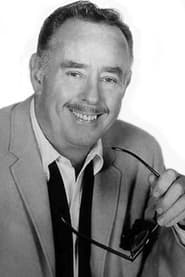
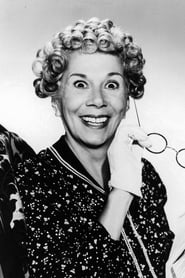
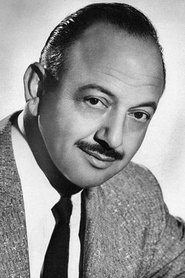

Puss n' Booty
"Rudolph the cat knows."
Keys: Space play/pause · ←/→ 10s · F fullscreen · M mute · </> speed
About this film
Woman wonders why her little pet birds keep disappearing. Rudolph the cat knows, but other than burping feathers, he's not saying. But it looks like he's met his match when the woman orders another bird from the pet shop: a little yellow canary named "Petey".
Cast & crew
More Animation films
View all →






More from Frank Tashlin
View all →
More about this film
About the production
Release dateDecember 11, 1943
Box officeNot tracked separately - part of Warner Bros. theatrical package distribution
ProductionLeon Schlesinger Productions, Warner Bros. Pictures
Filmed inWarner Bros. Studios, Burbank, California
This was the final Merrie Melodies cartoon released in black and white before the series permanently switched to color production. The animation was done using traditional cel animation techniques with the standard Warner Bros. production pipeline of the era. Frank Tashlin, known for his visual gags and rapid pacing, brought his unique directorial style to this cat-and-bird confrontation. The cartoon features the distinctive character design style of the early 1940s Warner Bros. animation unit.
Themes
Predator vs. preyUnderdog triumphDeception and hidden motivesKarmic justiceThe intelligence of animals
Themes & topics
Historical background
Exhibitors around 1943 slotted Puss n' Booty into mixed bills where shorts, newsreels, and features shared the same program.
Why this film matters
Restorations and festival bookings keep Puss n' Booty visible among classic-film communities.
Making of
Frank Tashlin brought his unique comedic sensibility to this cartoon, having previously worked as a comic strip artist and animator at Disney and Ub Iwerks before joining Warner Bros. The production team faced the challenges of wartime resource allocation, with animation supplies being rationed. Mel Blanc recorded his vocal parts in a single session, seamlessly switching between the cat's sly purrs and the canary's cheerful chirps. The animation team, led by principal animators Rod Scribner and Manuel Perez, employed exaggerated squash and stretch techniques to enhance the comedy. The background artists created a lavish Art Deco-inspired setting for the woman's home, contrasting with the cartoonish violence of the cat-and-bird antics. Tashlin insisted on multiple takes for certain sequences, particularly the burping feather gags, to perfect the timing. The cartoon's score was composed by Carl Stalling, who incorporated popular melodies of the era alongside his original compositions.
What critics said
Modern retrospectives screen Puss n' Booty to illustrate 1943 pacing and camera norms.
Did you know?
- This was the last Merrie Melodies cartoon produced in black and white, marking the end of an era for Warner Bros. animation
- The cat character, Rudolph, was designed by animator Bob Clampett, though this was not part of his regular character stable
- Director Frank Tashlin would later leave animation to become a successful live-action comedy director, working with stars like Jerry Lewis and Bob Hope
- The cartoon features no dialogue from the human characters, relying entirely on visual storytelling and animal vocalizations
- Mel Blanc provided voices for both the cat and the canary, showcasing his remarkable vocal range
- Bea Benaderet, who voiced the woman, was a regular voice actor for Warner Bros. cartoons and later starred in 'The Beverly Hillbillies' and 'Petticoat Junction'
- The title is a play on the classic fairy tale 'Puss in Boots,' adapted for the cartoon's cat-centric plot
- This cartoon was released during World War II, when many animation studios were producing war-related content, making this pure entertainment piece notable
- The pet shop scene features a brief appearance of what appears to be a young Tweety Bird prototype in the background
- The cartoon's pacing and visual gags reflect Tashlin's background in comic strips and his interest in rapid-fire comedy
Awards & recognition
- No major awards received - typical for theatrical shorts of this period
Visual style
The animation employs the standard Warner Bros. visual style of the early 1940s, characterized by bold outlines, vibrant shading (even in black and white), and dynamic camera angles. The cinematography makes effective use of close-ups for comedic effect, particularly during the cat's expressions of frustration and the canary's moments of triumph. The animators utilized perspective shots to emphasize the size difference between the cat and bird, enhancing the comedy of their confrontations. The film's visual rhythm matches Tashlin's rapid-fire comedic timing, with quick cuts and exaggerated movements driving the humor.
Innovations
The cartoon represents the refinement of Warner Bros.' animation techniques in the early 1940s, showcasing improved character animation and more sophisticated visual storytelling than earlier shorts. The film demonstrates advanced use of timing and spacing in animation to create comedic effect, particularly in the rapid movements and exaggerated expressions. The production team employed multi-layered backgrounds to create depth in the lavish home setting. The sound design shows the studio's mastery of synchronized audio, with effects and music perfectly timed to the visual action.
Music
Carl Stalling composed the musical score, blending original compositions with popular melodies of the era. The soundtrack makes clever use of musical motifs to characterize the cat and bird, with sleazy trombone phrases accompanying the cat's schemes and upbeat, cheerful tunes for the canary. The sound effects, created by Teshigahara and his team, enhance the physical comedy with exaggerated impacts, crunches, and the distinctive feather burps. Mel Blanc's vocal performance provides the character voices, though the human characters remain silent, relying on visual storytelling.
Famous quotes
Rudolph the Cat: (Burps feathers) *Excuse me!*
Petey the Canary: *You want me? Come and get me, big boy!*
Woman: *Where are all my little birdies going?*
Petey: *Think you're smart, eh? I've dealt with your type before!*
Memorable scenes
- The opening sequence where Rudolph the cat stealthily stalks and captures the first bird, followed by his guilty feather burp
- Petey the canary's arrival at the house, confidently marching in with his suitcase and immediately establishing dominance
- The series of failed attempts by Rudolph to catch Petey, each ending with the cat getting comically injured
- The final confrontation where Petey turns the tables completely, leaving Rudolph battered and defeated
- The closing shot of Petey relaxing in luxury while Rudolph wears a cone of shame
What audiences thought
Theatrical audiences in 1943 responded positively to the cartoon's fast-paced comedy and satisfying conclusion where the underdog (or underbird) triumphs. The film played well as part of the typical double-feature programming of the era, providing comic relief between main features. Over the decades, the cartoon has maintained its appeal through television syndication and home video releases, with generations of viewers enjoying the timeless cat-versus-bird conflict. The cartoon's humor transcends its wartime origins, continuing to entertain audiences unfamiliar with the historical context of its creation.
Film connections
Influenced by
- Classic cat and mouse cartoons
- Felix the Cat shorts
- Disney's Silly Symphonies
- Early MGM Tom and Jerry cartoons
- Comic strip visual humor
This film influenced
- Later Sylvester and Tweety cartoons
- Tom and Jerry episodes
- Modern cat and bird animated shorts
- The Simpsons' Itchy and Scratchy segments
Film restoration
The film is preserved in the Warner Bros. archive and has been digitally restored for home video releases. The original nitrate negatives have been transferred to safety film and digital formats. The cartoon is included in various Looney Tunes DVD collections and is available on streaming platforms that carry Warner Bros. content.
Where to watch
- Warner Bros. DVD collections
- HBO Max
- Amazon Prime Video
- Apple TV
- Google Play Movies
- YouTube (official Warner Bros. channels)