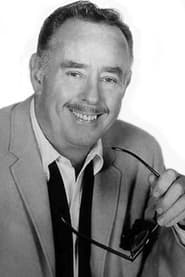
Frank Tashlin
Director
Born: February 19, 1913 in Weehawken, New Jersey, USA Died: May 5, 1972 Active: 1932-1968 Birth Name: Francis Fredrick von Taschlein
Films
5 films
About Frank Tashlin
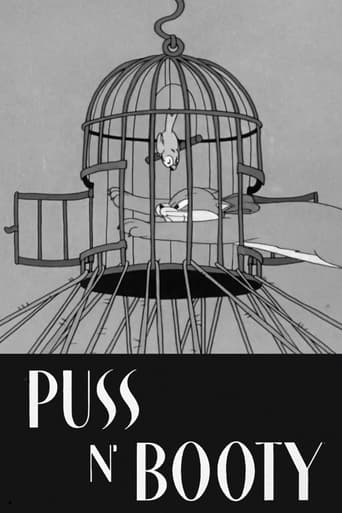
Frank Tashlin, born Francis Fredrick von Taschlein, was an American animator and film director active from the golden age of animation to the heyday of Hollywood comedy. He began his career in the 1930s as an animator at Warner Bros., where he directed numerous classic Looney Tunes and Merrie Melodies cartoons, developing a reputation for visual gags and surreal humor. During World War II, he created propaganda films including 'Puss n' Booty' (1943) and 'The Home Front' (1943) before transitioning to live-action filmmaking. Tashlin became renowned for his visually inventive comedies, working with stars like Jerry Lewis, Bob Hope, and Jayne Mansfield, bringing his animator's sensibility to live-action with exaggerated visual effects and slapstick timing. His most celebrated period was the 1950s and early 1960s, when he directed such classics as 'The Girl Can't Help It' (1956) and 'Will Success Spoil Rock Hunter?' (1957). Despite critical acclaim for his visual style, Tashlin's work was sometimes dismissed as mere comedy, though later film scholars have recognized his significant contributions to American cinema. He continued directing into the 1960s before his death in 1972, leaving behind a unique legacy that bridged animation and live-action comedy.
The Craft
Behind the Camera
Tashlin's directing style was characterized by its highly visual, cartoon-like approach to live-action comedy. He incorporated exaggerated perspectives, rapid-fire editing, and surreal visual gags that reflected his animation background. His films often featured bold colors, dynamic camera movements, and a willingness to break the fourth wall, creating a distinctive aesthetic that was both theatrical and cinematic. Tashlin was known for his meticulous planning of visual gags and his ability to create comedy through mise-en-scène rather than just dialogue.
Milestones
- Directed over 100 Warner Bros. Cartoons
- Pioneered visual comedy techniques in live-action films
- Created propaganda films during WWII
- Directed Jerry Lewis in several hit comedies
- Made 'The Girl Can't Help It' which became a rock and roll cultural phenomenon
- Bridged animation and live-action filmmaking styles
Best Known For
Must-See Films
Accolades
Won
- Academy Award nomination for Best Short Subject (Cartoon) for 'The Dover Boys' (1942)
- Directors Guild of America Award nomination (1957)
Nominated
- Oscar nomination for Best Short Subject for 'The Dover Boys at Pimento University' (1942)
- DGA Award nomination for Outstanding Directorial Achievement in Motion Pictures for 'Will Success Spoil Rock Hunter?' (1957)
Special Recognition
- Inducted into the Animation Hall of Fame
- Retrospectives at film festivals including the Museum of Modern Art
- Influenced the French New Wave directors who admired his visual style
Working Relationships
Worked Often With
Studios
Why They Matter
Impact on Culture
Frank Tashlin's impact on cinema bridges two crucial mediums - animation and live-action comedy. His work at Warner Bros. Helped define the golden age of American animation, creating some of the most innovative and influential cartoons of the 1930s and 1940s. When he transitioned to live-action, he brought with him a visual vocabulary that revolutionized comedy filmmaking, influencing generations of directors. 'The Girl Can't Help It' became a cultural touchstone of the 1950s, helping to popularize rock and roll music in mainstream cinema and featuring early performances by Little Richard, Fats Domino, and other pioneers of the genre. His visual style, characterized by its cartoonish exaggeration and surreal humor, prefigured many postmodern cinematic techniques and influenced the French New Wave directors, particularly Jean-Luc Godard, who admired Tashlin's bold visual approach.
Lasting Legacy
Frank Tashlin's legacy lies in his unique ability to translate the visual language of animation to live-action cinema, creating a distinctive style that has influenced countless filmmakers. His cartoons remain classics of the medium, with works like 'The Dover Boys' techniques that would become standard in animation. His live-action comedies, while sometimes dismissed during their time as mere entertainment, are now recognized as sophisticated works that pushed the boundaries of cinematic comedy. Tashlin's influence can be seen in the work of directors from Terry Gilliam to the Coen Brothers, who share his love of visual gags and surreal humor. His films serve as time capsules of 1950s American culture while remaining fresh and inventive to contemporary audiences.
Who They Inspired
Tashlin's influence extends across multiple generations and mediums. In animation, his work at Warner Bros. Influenced countless animators and helped establish the studio's distinctive style. His live-action films influenced comedy directors including Blake Edwards, Jerry Lewis (who also directed), and later auteurs like the Coen Brothers and Wes Anderson. The French New Wave directors, particularly Jean-Luc Godard, cited Tashlin as an influence for his visual experimentation. His approach to visual comedy has been studied in film schools and analyzed by scholars for its innovative techniques. Modern music videos and commercials often employ visual gags and techniques pioneered by Tashlin.
Off Screen
Frank Tashlin was married twice during his lifetime. His first marriage was to actress Betty Mae Bristow in 1935, which ended in divorce. He later married actress and model Irene Tedrow in 1946, though this marriage also ended in divorce. Tashlin was known as a workaholic who devoted most of his time to his craft, often working simultaneously on multiple projects. He had no children. Later in life, he struggled with health issues but continued working almost until his death from a heart attack at age 59.
Education
Self-taught animator, attended local schools in Weehawken, New Jersey, no formal film education
Family
- Betty Mae Bristow (1935-1942)
- Irene Tedrow (1946-1952)
Did You Know?
- Originally worked as a newspaper cartoonist before entering animation
- Changed his name from 'von Taschlein' to 'Tashlin' for professional reasons
- Directed the first Porky Pig cartoon in 1935
- His cartoon
- The Dover Boys' was so innovative it was initially rejected by Warner Bros.',
- Was fired by Walt Disney but later became one of his most successful former employees
- Wrote several children's books in addition to his film work
- His visual style influenced the opening sequences of many 1960s television shows
- Was one of the few directors to successfully transition from animation to live-action direction
- His films often featured product placement and satire of advertising
- Worked as a screenwriter for many films he didn't direct
In Their Own Words
Animation should not be called cartoons. The cartoon is a drawing. Animation is the art of making drawings move.
I don't make pictures for critics. I make pictures for audiences.
Comedy is serious business. You have to be very serious about being funny.
The secret to comedy is timing. The secret to timing is knowing when not to be funny.
I learned everything I know about directing from making cartoons - how to tell a story visually, how to create character through movement, how to make people laugh without saying a word.
Frequently Asked Questions
Who was Frank Tashlin?
American animator and on YTB.my. Cartoons before becoming known for visually inventive live-action comedies in the 1950s and 1960s.
What films is Frank Tashlin best known for?
Titles linked here include The Girl Can't Help It (1956), Will Success Spoil Rock Hunter? (1957).
When was Frank Tashlin born and when did he die?
Born February 19, 1913; died May 5, 1972.
What awards did Frank Tashlin win?
Tashlin received an Academy Award nomination for Best Short Subject for 'The Dover Boys' in 1942 and a Directors Guild of America nomination for 'Will Success Spoil Rock Hunter?' in 1957.
What was Frank Tashlin's directing style?
Tashlin's directing style was characterized by its highly visual, cartoon-like approach to live-action comedy, incorporating exaggerated perspectives, rapid editing, and surreal visual gags that reflected his animation background.
Did Frank Tashlin work with any famous actors?
Yes, Tashlin worked with many comedy legends including Jerry Lewis, Bob Hope, Dean Martin, Jayne Mansfield, and Frank Sinatra throughout his directing career.
How did Frank Tashlin influence cinema?
Tashlin influenced cinema by bridging animation and live-action comedy, visual comedy techniques that influenced directors from the French New Wave to contemporary filmmakers, and helping popularize rock and roll in mainstream cinema with 'The Girl Can't Help It'.