
Race Riot
"Steed trained for the finish"
Keys: Space play/pause · ←/→ 10s · F fullscreen · M mute · </> speed
About this film
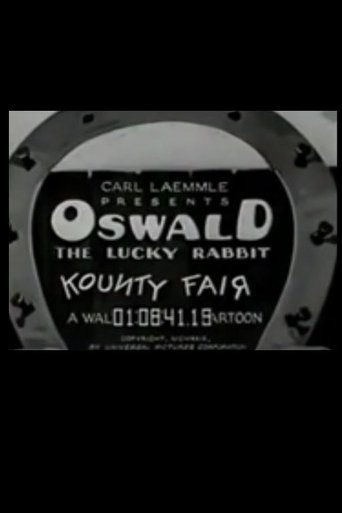
For his initial Lantz entry, Oswald enters his horse in the race as he tries to get him in shape doing exercises with the accompaniment of a pianist. Exhibitors circulated the 1929 print in short programs.
Cast & crew
More Comedy films
View all →






More from Walter Lantz
View all →
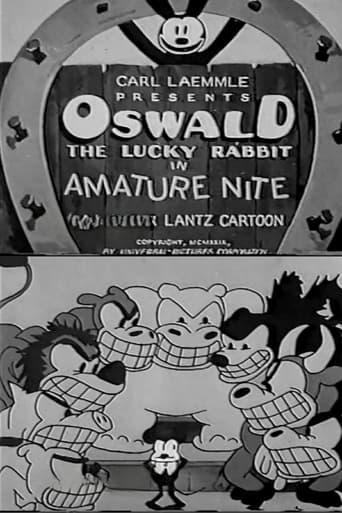
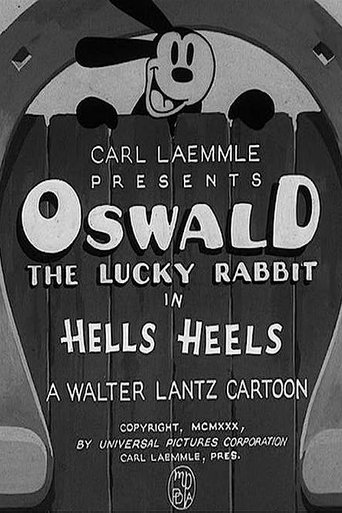
More about this film
About the production
Release dateMarch 25, 1929
ProductionUniversal Pictures, Walter Lantz Productions
Filmed inLos Angeles, California
This was one of Walter Lantz's first Oswald the Lucky Rabbit cartoons after taking over production from Disney. The film was produced during the transition from silent to sound animation, featuring synchronized music and sound effects. The animation was created using traditional hand-drawn techniques on paper, with each frame drawn individually.
Themes
CompetitionTraining and preparationSportsmanshipPerseveranceComedy through physical exertion
Themes & topics
Historical background
Race Riot reached screens around 1929, produced in its country of origin. Silent-era houses paired such titles with live music and newsreel bills.
Why this film matters
Researchers cite Race Riot when tracing screen culture of its decade.
Making of
The production of 'Race Riot' marked a significant transition in animation history. Walter Lantz took over the Oswald series after a bitter dispute between Walt Disney and producer Charles Mintz, who controlled the character's rights through Universal. Lantz had to quickly establish his own style for the character while maintaining the elements that made Oswald popular. The animation team worked under intense pressure to produce cartoons that could compete with Disney's new Mickey Mouse character. The sound synchronization was achieved using the Phonofilm system, which was still relatively new technology. Animators worked on large animation discs, drawing each frame by hand on paper, with the horse training sequences requiring particularly careful timing to match the musical accompaniment.
What critics said
Reviewers in 1929 weighed Race Riot on clarity, pacing, and audience response rather than prestige status. No single canonical review dominates later reference works for the title.
Did you know?
- This was Walter Lantz's first Oswald cartoon after Universal removed Disney from the project
- The film was released during the early sound era, making it one of the early Oswald cartoons with synchronized sound
- Oswald the Lucky Rabbit was originally created by Walt Disney and Ub Iwerks before the rights were lost to Universal
- The pianist character in the film represents the growing importance of musical accompaniment in early sound cartoons
- The horse training sequences showcase the rubber hose animation style popular in the late 1920s
- This cartoon was part of Universal's attempt to compete with Disney's Mickey Mouse and Fleischer's Betty Boop
- The film's title 'Race Riot' was considered acceptable in 1929 but would be controversial today
- Walter Lantz would later become famous for creating Woody Woodpecker in 1940
- The animation was likely produced at the Universal Studios lot in the San Fernando Valley
- Only a few Oswald cartoons from this era survive in complete form today
Visual style
The animation employs the standard black and white 35mm film format of the era, with careful attention to timing and movement. The camera work is relatively static, as was typical for early animation, focusing on the character movements within the frame. The training sequences feature dynamic compositions that maximize the comedic potential of Oswald's interactions with his horse. The visual style utilizes the rubber hose animation technique, with characters' limbs moving in fluid, exaggerated motions that defied realistic anatomy.
Innovations
The cartoon represents an early successful implementation of synchronized sound in animation, using the Phonofilm system. The timing of character movements to match musical accompaniment demonstrates sophisticated understanding of the new technology. The animation maintains consistent quality while incorporating the technical demands of sound synchronization. The fluid character movements showcase the advanced state of rubber hose animation techniques. The film also demonstrates effective use of limited animation techniques to maximize production efficiency without sacrificing visual quality.
Music
The film features a synchronized piano score that accompanies the action throughout, particularly during the horse training sequences. The music was likely composed by a studio musician and performed live during recording sessions. Sound effects include hoof beats, whistles, and other cartoon noises synchronized to the action. The soundtrack represents early experiments with matching music to animated action, a technique that would become standard in the industry. The pianist character within the cartoon serves as both a visual gag and a meta-reference to the importance of musical accompaniment.
Famous quotes
No significant dialogue quotes survive from this silent-era cartoon with synchronized music
Memorable scenes
- The extended sequence where Oswald trains his horse with increasingly absurd exercises while a pianist provides musical accompaniment, showcasing the rubber hose animation style and early sound synchronization techniques
What audiences thought
Audiences in 1929 would have been impressed by the synchronized sound and the familiar Oswald character, though the transition from Disney's to Lantz's style may have been noticeable. The cartoon's physical comedy and musical elements were well-suited to the vaudeville-influenced humor popular at the time. Modern audiences primarily encounter this film through animation festivals and archival screenings, where it's appreciated for its historical significance and as an example of early sound animation techniques.
Film connections
Influenced by
- Disney's early Oswald cartoons
- Felix the Cat cartoons
- Vaudeville comedy routines
- Sports films of the 1920s
This film influenced
- Later Walter Lantz Oswald cartoons
- Early Woody Woodpecker cartoons
- Other sports-themed animation of the 1930s
Film restoration
The film exists in archives but is considered relatively rare. Some sources indicate that prints are held in animation collections and film archives, though it may not be widely accessible to the public. The survival rate for early Oswald cartoons is estimated at around 50%, making this a relatively well-preserved example from the era.
Where to watch
- Available through some animation archive collections
- Occasionally screened at animation festivals
- May be found in specialized animation history collections or through film preservation organizations