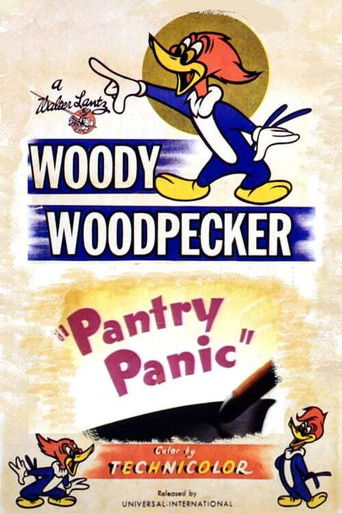
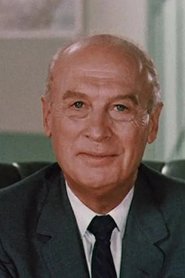
Walter Lantz
Director
Born: April 27, 1899 in New Rochelle, New York, USA Died: March 22, 1994 Active: 1924-1972 Birth Name: Walter Benjamin Lantz
Films
16 films
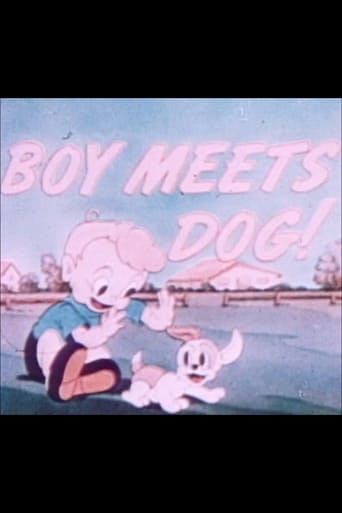
Boy Meets Dog
1938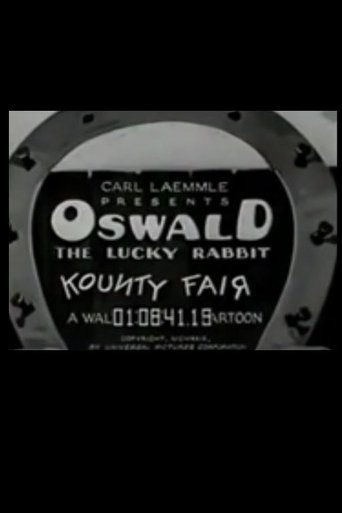
Kounty Fair
1930No Poster
Race Riot
1929No Poster
Oil's Well
1929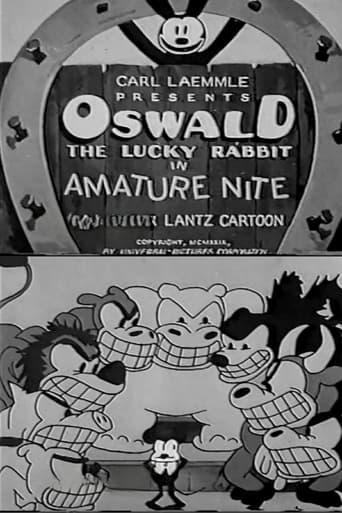
Amature Nite
1929No Poster
Snow Use
1929
Hells Heels
1930No Poster
Not So Quiet
1930
Spooks
1930
My Pal Paul
1930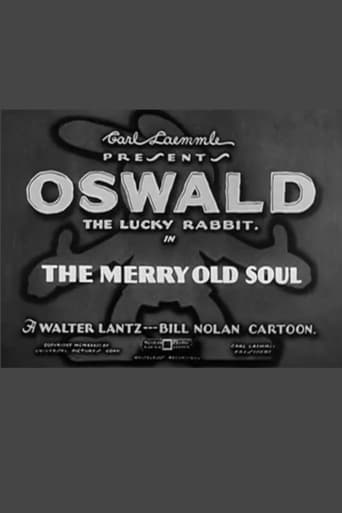
The Merry Old Soul
1933No Poster
Broadway Folly
1930
The Bandmaster
1931No Poster
Hurdy Gurdy
1929No Poster
Permanent Wave
1929About Walter Lantz
American animator, cartoonist, film producer, and director who became one of the figures in American animation. Born to Italian immigrant parents, Lantz showed artistic talent from an early age and began his career in animation working for Bray Productions in the 1920s. He moved to Universal Pictures in 1929 where he established his own animation studio, creating the Oswald the Lucky Rabbit series after Disney lost the rights to the character. Lantz's most enduring creation was Woody Woodpecker, first introduced in 1940 in the cartoon 'Knock Knock,' who became an international sensation and one of animation's most recognizable characters. Throughout his career spanning six decades, Lantz produced over 800 animated shorts, won an Academy Award, and became known for his innovative animation techniques and gag-driven storytelling. He remained actively involved in animation until his retirement in 1972, leaving behind a legacy that influenced generations of animators and helped shape the golden age of American animation.
The Craft
Behind the Camera
Walter Lantz's directing style emphasized visual gags, slapstick comedy, and energetic character animation. His cartoons featured rapid pacing, exaggerated physical comedy, and innovative sound effects integration. Lantz pioneered techniques in limited animation during the 1960s to reduce production costs while maintaining entertainment value. His approach focused on strong character personalities driving the comedy, with Woody Woodpecker's manic energy becoming the template for his studio's output.
Milestones
- Established Walter Lantz Productions at Universal Studios (1929)
- Created Woody Woodpecker character (1940)
- Won Academy Award for 'The Legend of Rockabye Point' (1955)
- Produced over 800 animated shorts
- Pioneered use of Technicolor in cartoons
- Created Oswald the Lucky Rabbit series for Universal
- Introduced Andy Panda character (1939)
- Created Chilly Willy series (1950s)
Best Known For
Iconic Roles
Must-See Films
Accolades
Won
- Academy Award for Best Short Subject (Cartoon) - 'The Legend of Rockabye Point' (1955)
- Academy Honorary Award (1979)
- Windsor McCay Award (1973)
- Golden Award from the Motion Picture Screen Cartoonists (1973)
Nominated
- Academy Award nomination for Best Short Subject - 'Musical Moments from Chopin' (1946)
- Academy Award nomination for Best Short Subject - 'The Woody Woodpecker Polka' (1951)
- Academy Award nomination for Best Short Subject - 'Boo Hoo Baby' (1943)
- Academy Award nomination for Best Short Subject - 'The Dipsomat' (1949)
Special Recognition
- Hollywood Walk of Fame star (1960)
- Inducted into the International Animated Film Association Hall of Fame
- Windsor McCay Award for lifetime achievement in animation
- Golden Palm Star on the Palm Springs Walk of Stars
Working Relationships
Worked Often With
Studios
Why They Matter
Impact on Culture
Walter Lantz revolutionized American animation by creating some of the most enduring cartoon characters of the 20th century. Woody Woodpecker became a cultural phenomenon, appearing in comic books, merchandise, television shows, and even inspiring the name of the famous 'Woody Woodpecker' laugh sound effect used in countless productions. Lantz's studio was one of the few independent animation operations to successfully compete with Disney, Warner Bros., and MGM during the golden age of animation. His work helped establish the template for animated comedy that influenced generations of animators and cartoonists.
Lasting Legacy
Walter Lantz's legacy extends far beyond his individual cartoons, as he helped establish animation as a legitimate art form and entertainment medium. His creation of Woody Woodpecker resulted in. Lantz Productions produced over 800 animated shorts that continue to be broadcast worldwide. His innovative approaches to animation production, particularly his work in limited animation during the 1960s, influenced the economics of television animation. The Walter Lantz Studio also served as a training ground for many animators who would go on to shape the future of the industry.
Who They Inspired
Walter Lantz influenced countless animators and directors through his gag-driven storytelling and character development techniques. His work on Woody Woodpecker established the template for manic, energetic cartoon characters that would later be seen in everything from Looney Tunes to modern animated series. Animators like Don Bluth got their start at Lantz's studio, carrying forward his emphasis on fluid character animation and strong comedic timing. His approach to producing animation efficiently for television budgets influenced the entire industry's transition to TV animation in the 1960s. The character design principles and animation techniques developed at Lantz Productions continue to be taught in animation schools today.
Off Screen
Walter Lantz married twice during his lifetime. His first marriage was to actress Grace Stafford in 1940, who later became the voice of Woody Woodpecker. The couple remained married until Grace's death in 1992. Lantz was known for his hands-on approach to his studio and often personally oversaw the production of his cartoons. He was also an accomplished golfer and philanthropist, supporting various children's charities throughout his life.
Education
Attended Art Students League of New York, completed correspondence course in cartooning
Family
- Grace Stafford (1940-1992)
Did You Know?
- Woody Woodpecker's laugh was inspired by Lantz's honeymoon
- Lantz originally wanted to be a newspaper cartoonist
- He lost his right index finger in an accident as a child
- Woody Woodpecker's first appearance was in an Andy Panda cartoon
- Lantz's wife Grace secretly auditioned for Woody's voice and got the part
- He was one of the first animators to embrace television in the 1950s
- The Woody Woodpecker theme song was written in just 10 minutes
- Lantz once claimed Woody was based on a woodpecker that disturbed his honeymoon
- He sold his studio to Universal in 1947 but remained as producer
- Lantz received a special Academy Award for his contribution to animation
In Their Own Words
I've always believed that laughter is the best medicine, and Woody Woodpecker has been prescribing it for over 50 years.
Animation is not just for children. It's a medium that can appeal to everyone if done right.
The secret to good animation is making the impossible look possible.
Woody Woodpecker wasn't created. He just sort of happened, like a force of nature.
Frequently Asked Questions
Who was Walter Lantz?
American animator, cartoonist, and film producer who created Woody Woodpecker and founded Walter Lantz Productions. He was one of the figures in American animation, producing over 800 animated shorts during his six-decade career and winning an Academy Award for his contributions to animation.
What films is Walter Lantz best known for?
Titles linked here include Knock Knock (1940), The Legend of Rockabye Point (1955).
When was Walter Lantz born and when did he die?
Born April 27, 1899; died March 22, 1994.
What awards did Walter Lantz win?
Walter Lantz won an Academy Award for Best Short Subject (Cartoon) for 'The Legend of Rockabye Point' in 1955. He also received an Academy Honorary Award in 1979 for his lifetime achievements in animation, the Windsor McCay Award in 1973, and has a star on the Hollywood Walk of Fame awarded in 1960.
What was Walter Lantz's directing style?
Lantz's directing style emphasized visual gags, slapstick comedy, and energetic character animation with rapid pacing. He pioneered techniques in limited animation during the 1960s to reduce production costs while maintaining entertainment value. His approach focused on strong character personalities driving the comedy, with Woody Woodpecker's manic energy becoming the template for his studio's output.