Keys: Space play/pause · ←/→ 10s · F fullscreen · M mute · </> speed
Plot
This early documentary short film captures a simple yet engaging scene of people participating in a traditional game of jumping over a blanket. The film shows a group of individuals, likely workers or local residents from Lyon, taking turns to leap over a held blanket in what appears to be a recreational activity. The camera remains stationary, observing the participants as they approach, jump, and clear the blanket obstacle. The straightforward presentation showcases the Lumière brothers' interest in capturing everyday activities and simple pleasures of life. The film concludes with the successful completion of the jumps by the participants, demonstrating their agility and enthusiasm.
Director
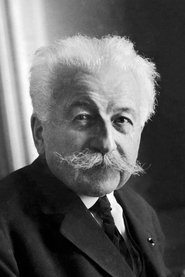 Auguste Lumière
About the Production
Release Date 1896
Production Société Lumière
Filmed In Lyon, France
Filmed using the Lumière brothers' Cinématographe device, which served as both camera and projector. The film was shot outdoors in natural lighting, typical of early Lumière productions. The participants were likely local workers or residents rather than professional actors, reflecting the Lumière philosophy of capturing authentic life moments. The blanket-jumping activity was a common recreational game in France during this period.
More Documentary Films
View all →
More from Auguste Lumière
View all →
Themes & Topics
Historical Background
This film was created in 1896, just one year after the historic first public film screening by the Lumière brothers on December 28, 1895, at the Grand Café in Paris. This period represents the birth of cinema as a mass medium, and films like 'Saut à la couverte' were instrumental in demonstrating the new technology's ability to capture and reproduce reality. The 1890s was a decade of tremendous technological innovation, with the development of motion pictures, automobiles, and wireless communication. In France, the Belle Époque was in full swing, characterized by optimism, peace, and cultural flourishing. The Lumière brothers' films documented the everyday life of this era, providing invaluable historical records of late 19th-century French society.
Why This Film Matters
As one of the earliest motion pictures ever made, 'Saut à la couverte' represents a crucial milestone in the development of cinema as an art form and medium of documentation. The film exemplifies the Lumière brothers' philosophy of capturing 'actualities' - real moments of life rather than staged narratives. This approach would influence documentary filmmaking for generations to come. The film also demonstrates how early cinema focused on simple, visually engaging activities that showcased the new medium's ability to capture movement. Such films helped establish cinema as both a technological marvel and a window into everyday life, laying the groundwork for both documentary and narrative filmmaking traditions.
Making Of
The film was created during the pioneering days of cinema when Auguste and Louis Lumière were actively documenting various aspects of daily life. The production was extremely simple by modern standards - requiring only the Cinématographe camera, natural outdoor lighting, and willing participants. The blanket-jumping game was likely chosen for its visual appeal and the clear demonstration of human movement it provided. The film was shot in a single take with a fixed camera position, which was standard practice for early Lumière productions. The participants were probably factory workers or local residents rather than professional actors, reflecting the Lumière brothers' documentary approach to filmmaking.
What Critics Said
Contemporary reception of early Lumière films like 'Saut à la couverte' was characterized by wonder and amazement at the new technology's ability to capture and reproduce reality. Critics and audiences of the 1890s were fascinated by the lifelike movement and detail that motion pictures could achieve. Modern film historians and critics recognize these early shorts as foundational documents in cinema history, praising their simplicity, authenticity, and historical value. The film is now appreciated not for its entertainment value but for its role in establishing the language of cinema and documenting late 19th-century life.
Did You Know?
- This film is one of approximately 1,422 films produced by the Lumière brothers between 1895 and 1905
- The title 'Saut à la couverte' literally translates to 'Jumping the Blanket' in English
- Like most early Lumière films, it runs for approximately 50 seconds at 16 frames per second
- The film was part of the Lumière brothers' catalog of actualités (actualities) that documented everyday life
- This film demonstrates the Lumière brothers' preference for capturing spontaneous, unstaged activities
- The Cinématographe camera used to film this was patented by the Lumière brothers in 1895
- Early films like this were often shown as part of a program of 10-12 short films
- The film was likely shot in the courtyard of the Lumière factory in Lyon
- Unlike some early films that were later re-enacted, this appears to be a genuine capture of the activity
- The film showcases the Lumière brothers' interest in capturing movement and human physicality
More film details Visual style, music, quotes, restoration, and more
Visual Style
The cinematography in 'Saut à la couverte' represents the most basic techniques of early filmmaking. The camera remains fixed in a single position throughout the approximately 50-second duration, capturing the action from a stationary perspective. The film was shot outdoors using natural daylight, as artificial lighting technology for film had not yet been developed. The composition is straightforward, with the blanket and jumping participants clearly visible in the frame. The black and white imagery, captured on 35mm film, shows the characteristic high contrast and grain of early motion picture stock. The camera work demonstrates the Lumière brothers' documentary approach - unobtrusive, observational, and focused on capturing reality as it unfolded.
Innovations
The film represents a technical achievement in its use of the Cinématographe, a revolutionary device that served as camera, printer, and projector. The hand-cranked camera could record approximately 16 frames per second, creating smooth motion that was superior to many contemporaneous technologies. The film stock used was 35mm with perforations, a standard that would dominate cinema for decades. The ability to capture outdoor scenes in natural light was significant for the time. The film also demonstrates early mastery of exposure and focus techniques necessary for clear image reproduction. The relatively short length was dictated by technical limitations but proved effective for early film presentations.
Memorable Scenes
- The sequence showing participants taking turns to jump over the held blanket, demonstrating their agility and enthusiasm in this simple recreational activity.
What Audiences Thought
Early audiences reacted to films like 'Saut à la couverte' with astonishment and excitement, having never before seen moving images captured and reproduced with such clarity. The simple action of jumping over a blanket, when shown on screen, was considered miraculous by viewers of the 1890s. These films were often part of variety show programs and drew curious crowds eager to experience the new technology. The straightforward, relatable content made these early films accessible and engaging to audiences of all backgrounds, helping establish cinema as a popular entertainment medium.
Film Connections
Influenced By
- Photography
- Eadweard Muybridge's motion studies
- Étienne-Jules Marey's chronophotography
This Film Influenced
- Other Lumière actualités
- Early documentary shorts
- Sports and exercise films
Film Restoration
The film is preserved in the archives of the Institut Lumière in Lyon, France. As part of the Lumière brothers' collection, it has been carefully maintained and restored. The film exists in its original 35mm format and has been digitized for preservation and accessibility purposes. Multiple copies are held in film archives worldwide, including the Cinémathèque Française.
Where to Watch
- Available on various streaming platforms specializing in classic cinema
- Can be viewed at the Institut Lumière museum in Lyon
- Included in DVD collections of early Lumière films
- Accessible through film archive websites and educational platforms
- Available on YouTube through official film archive channels