
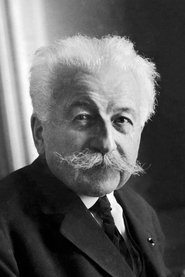
Auguste Lumière
Actor & Director
Born: October 19, 1862 in Besançon, France Died: April 10, 1954 Active: 1895-1905 Birth Name: Auguste Marie Louis Nicolas Lumière
Films
9 films
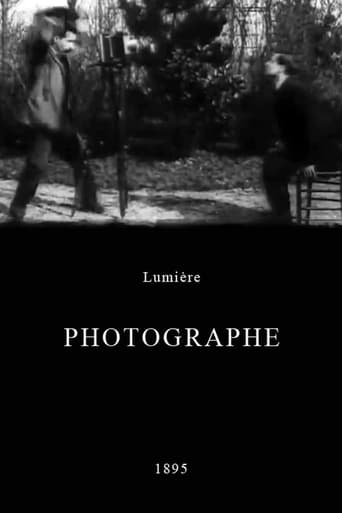
About Auguste Lumière
French inventor, manufacturer, and filmmaker who, together with his brother Louis, revolutionized visual entertainment and essentially invented cinema as we know it. Born into a family of photographers, Auguste and Louis developed the Cinématographe in 1895, a device that served as camera, projector, and developer all in one. On December 28, 1895, they conducted the world's first public film screening at the Grand Café in Paris, presenting ten short films to an astonished audience and marking the birth of commercial cinema. While Louis focused on the technical innovations and direction of their films, Auguste managed the business aspects of their enterprise, overseeing production and expansion of their cinematic empire worldwide. The Lumière brothers produced over 1,400 films between 1895 and 1905, mostly documenting everyday scenes with their signature realistic style. Auguste appeared in several of their early films, often alongside family members, demonstrating the new medium's potential to capture real moments. After their film production waned around 1905, Auguste turned his attention to other ventures, including medical research and pharmaceutical development, while maintaining his interest in photography and scientific innovation.
The Craft
On Screen
As one of cinema's first actors, Auguste Lumière's style was naturalistic and untrained, representing authentic moments rather than theatrical performances. His appearances in early Lumière films were typically unstaged and spontaneous, capturing genuine family interactions and everyday activities. This approach reflected the brothers' philosophy of cinema as a window onto reality rather than a medium for dramatic fiction.
Behind the Camera
Auguste Lumière's directing approach emphasized realism, single-camera perspectives, and capturing unscripted moments of daily life. Unlike the theatrical productions of contemporaries like Georges Méliès, Lumière films featured static camera positions, natural lighting, and ordinary subjects. His directing philosophy was that cinema should document reality rather than create fantasies, establishing the documentary tradition that would influence generations of filmmakers.
Milestones
- Invention of the Cinématographe motion-picture camera and projector (1895)
- First public film screening in history at Grand Café, Paris (December 28, 1895)
- Production of over 1,400 short films documenting everyday life
- Establishment of the first film distribution network worldwide
- the documentary style of filmmaking
- Appearing in some of the earliest motion pictures ever created
Best Known For
Iconic Roles
Must-See Films
Accolades
Won
- Légion d'honneur (France's highest order of merit)
- Academy Award of Merit (Academy of Motion Picture Arts and Sciences, 1947) - honorary award presented to the Lumière brothers
Special Recognition
- Inducted into the International Photography Hall of Fame
- Lumière Institute in Lyon named in his honor
- Multiple French postage stamps commemorating his contributions
- Numerous film festivals and awards named after the Lumière brothers
Working Relationships
Worked Often With
Studios
Why They Matter
Impact on Culture
Auguste Lumière fundamentally transformed human culture by helping create cinema, arguably the most influential art form of the 20th century. The Cinématographe he co-invented made moving pictures accessible to mass audiences worldwide, creating a new form of entertainment and communication. His films, though simple, established the language of cinema and demonstrated the power of moving images to capture reality. The Lumière brothers' first public screening on December 28, 1895, is universally recognized as the birth of commercial cinema, making Auguste one of the founding fathers of modern visual culture. Their realistic approach to filmmaking established documentary as a cinematic genre and influenced the development of realist cinema movements throughout film history.
Lasting Legacy
Auguste Lumière's legacy endures in every film shown in theaters and every video viewed on screens worldwide. The Lumière Institute in Lyon continues to preserve and celebrate the brothers' contributions to cinema and photography. Their work established fundamental principles of filmmaking that remain relevant today, from camera techniques to narrative approaches. The brothers' name has become synonymous with the birth of cinema, with numerous awards, festivals, and institutions bearing their name. Auguste lived to see cinema evolve from the simple one-minute films he created to the complex, sound-enabled productions of the 1950s, witnessing firsthand the revolutionary impact of his innovations on global culture.
Who They Inspired
Auguste Lumière influenced countless filmmakers through his work in establishing cinema as a medium. His documentary approach inspired generations of filmmakers from Robert Flaherty to the French New Wave directors who cited the Lumière aesthetic as foundational. The realistic style he helped establish influenced film movements including Italian Neorealism, British Documentary Film Movement, and Direct Cinema. His technical innovations in camera and projection technology laid the groundwork for all subsequent developments in film equipment. Contemporary filmmakers continue to reference the Lumière aesthetic when seeking authenticity and realism in their work, demonstrating the enduring influence of Auguste's early filmmaking philosophy.
Off Screen
Auguste Lumière married Josephine Bessand in 1892, and they had two children together. He came from a family of photographers and inventors; his father Antoine Lumière ran a successful photographic business. Auguste maintained a close personal and professional relationship with his brother Louis throughout their lives. After his film career, he developed interests in medical research, particularly in pharmacology and bacteriology. He lived through nearly the entire first half-century of cinema's existence, witnessing its evolution from the simple flickering images he helped create to the sophisticated medium of his later years.
Education
Educated in Lyon, France; studied chemistry and physics; received technical training in photography from his father Antoine Lumière
Family
- Josephine Bessand (1892-1954)
Did You Know?
- The first film screening by the Lumière brothers charged 1 franc per admission
- Auguste and Louis initially thought cinema was 'an invention without a future'
- Their film 'Arrival of a Train at La Ciotat' allegedly caused audiences to panic, thinking the train was coming through the screen
- The Cinématographe was lighter and more portable than competing devices like Edison's Kinetoscope
- Auguste appeared in the film 'Baby's Meal' which is considered one of the first family films
- The Lumière company trained and sent cinematographers around the world to capture footage
- Their films were typically only about 50 seconds long due to technical limitations
- Auguste developed a successful medical company after leaving the film business
- The brothers' father Antoine originally suggested the film project to them
- Auguste lived to be 91, witnessing nearly 60 years of cinema development
In Their Own Words
Cinema is an invention without a future
famous misattributed quote reflecting initial skepticism about film's potential)
We have made a discovery that will be of service to the whole world
on the invention of the Cinématographe)
The cinema is a truth 24 times per second
paraphrasing Jean-Luc Godard about Lumière's realistic approach)
Frequently Asked Questions
Who was Auguste Lumière?
French inventor, manufacturer, and filmmaker who, together with his brother Louis, invented the Cinématographe and conducted the world's first public film screening in 1895. He is considered one of the founding fathers of cinema and produced over 1,400 early films documenting everyday life.
What films is Auguste Lumière best known for?
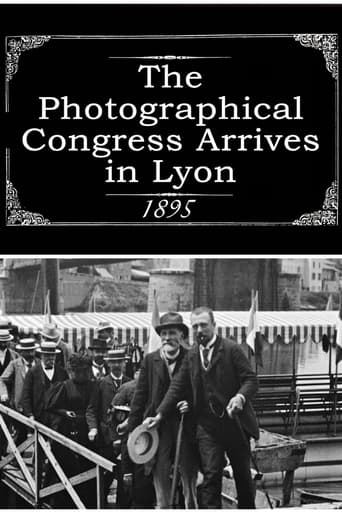
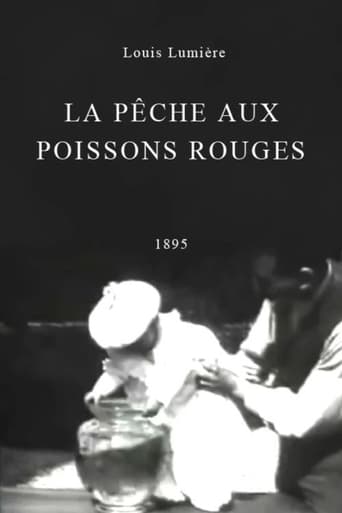
Titles linked here include Baby's Meal (1895), The Photographical Congress Arrives in Lyon (1895).
When was Auguste Lumière born and when did he die?
Born October 19, 1862; died April 10, 1954.
What awards did Auguste Lumière win?
Auguste Lumière received France's highest honor, the Légion d'honneur, and was awarded an honorary Academy Award of Merit in 1947 along with his brother Louis for their contributions to cinema. He has also been inducted into the International Photography Hall of Fame.
What was Auguste Lumière's directing style?
Auguste Lumière's directing style emphasized realism and authenticity, featuring static camera positions, natural lighting, and unscripted scenes of everyday life. His approach established documentary filmmaking as a cinematic genre and influenced realist cinema movements throughout film history.