Washerwomen on the River
"Lumière glimpse of riverside wash day"
Keys: Space play/pause · ←/→ 10s · F fullscreen · M mute · </> speed
About this film
Women scrub laundry at a riverside washhouse in one of the Lumière brothers' brief actuality views of everyday labor.
Cast & crew
More films like this

More Documentary films
View all →

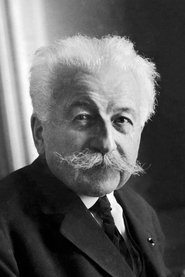
More from Auguste Lumière
View all →



More about this film
About the production
Release date1897
Box officeNot applicable - early films were not commercially tracked in modern terms
ProductionSociété Lumière
Filmed inLyon, France (presumed)
Filmed using the Lumière brothers' Cinématographe device, which served as both camera and projector. The film was likely shot in a single take with a fixed camera position, characteristic of early Lumière actuality films. The washhouse setting was chosen for its visual interest and representation of everyday French life.
Themes
Everyday lifeDomestic laborWorking classWomen's workTraditional occupations
Themes & topics
Historical background
Made in 1897, Washerwomen on the River belongs to the pre-feature era and carries the visual and narrative habits of its time.
Why this film matters
For collectors of early and classic cinema, Washerwomen on the River illustrates the range of subjects and styles that reached theaters in 1897. 1897 short film directed by Auguste and Louis Lumière
Making of
The film was created during the pioneering era of cinema when the Lumière brothers were actively documenting daily life to demonstrate their new invention. Auguste Lumière likely operated the Cinématographe himself, as the brothers personally filmed many of their early works. The location was probably chosen for its accessibility from their base in Lyon and for the visually interesting patterns of movement created by the washing process. The washerwomen were likely local workers who agreed to be filmed, possibly receiving small compensation. The entire production would have been completed in a matter of minutes, reflecting the simplicity and efficiency of early filmmaking.
What critics said
Critics writing near 1897 focused on how Washerwomen on the River compared with rival titles in the same season.
Did you know?
- Part of the Lumière brothers' series of 'actuality' films that documented everyday life scenes
- One of approximately 1,422 films produced by the Lumière company between 1895 and 1905
- The film was likely shown as part of the Lumière brothers' traveling exhibitions that brought cinema to audiences worldwide
- Like many early Lumière films, it was shot in 35mm format at approximately 16 frames per second
- The stationary camera perspective was typical of early cinema, as filmmakers were still discovering the language of film
- Washerwomen were a common subject in 19th-century art and photography, representing both labor and picturesque scenes
- The film captures a profession that would soon disappear with the advent of modern washing machines
- This type of documentary approach contrasted with the more fantastical films being created by Georges Méliès during the same period
- The Lumière brothers considered their films 'living photographs' rather than entertainment in the theatrical sense
- Early audiences were reportedly fascinated by these simple depictions of reality, which they had never seen moving before
Visual style
The film employs the characteristic static camera position of early Lumière productions, with the Cinématographe placed to capture the entire scene of washerwomen at work. The composition follows traditional pictorial conventions, with the river providing a natural diagonal element and the figures creating visual rhythm through their repetitive motions. The black and white imagery creates strong contrasts between the flowing water, the white clothes being washed, and the dark figures of the women. The lighting is natural, likely filmed outdoors to take advantage of available daylight, as artificial lighting was not yet practical for filmmaking.
Innovations
The film represents an early use of the Cinématographe, the Lumière brothers' all-in-one camera, developer, and projector that was more portable and practical than Edison's Kinetoscope. The ability to capture outdoor scenes with natural lighting was a significant technical achievement for 1897. The film also demonstrates early mastery of exposure and focus in challenging outdoor conditions with moving water and subjects.
Music
Silent film - no original soundtrack. Early film screenings were often accompanied by live music, typically a pianist or small ensemble who would improvise or play appropriate music to match the mood of the film.
Memorable scenes
- The opening shot revealing the washerwomen arranged along the riverbank, their figures creating a rhythmic pattern against the flowing water as they engage in their laborious work
What audiences thought
Early audiences were reportedly captivated by these simple depictions of reality, having never before seen moving images of everyday scenes. The film would have been shown as part of a program of short films, with audiences responding with wonder to the technology itself as much as to the content. The familiar subject matter of domestic labor would have made the film particularly accessible to working-class viewers, while middle and upper-class audiences might have seen it as an ethnographic glimpse into the lives of the working poor.
Film connections
Influenced by
- Photography of everyday life
- French realist painting
- Documentary photography
- Social observation traditions
This film influenced
- Other Lumière actuality films
- Early documentary traditions
- Ethnographic films
- Social realist documentaries
Film restoration
Preserved - The film survives in the Lumière Institute archives in Lyon, France. Many Lumière films have been carefully preserved and restored as part of cinema's foundational heritage.
Where to watch
- Lumière Institute archives
- Various early cinema collections and DVD compilations
- Some streaming services specializing in classic films
- Film archives and museums with early cinema collections