Shackled by Film
"Ink and celluloid desire"
Keys: Space play/pause · ←/→ 10s · F fullscreen · M mute · </> speed
About this film
Fantastical story about an artist whose life changes after a ballerina from a film poster comes to life. Mostly lost.
Cast & crew
More films like this
More Drama films
View all →







More about this film
About the production
Release date1918
ProductionNeptune Film Company
Filmed inMoscow, Russia
This experimental film was created during the turbulent period following the Russian Revolution, reflecting the avant-garde artistic movements flourishing in early Soviet Russia. The production involved collaboration between prominent Futurist artists and filmmakers, pushing the boundaries of cinematic expression. The film's fantastical premise required innovative special effects for the time, particularly for scenes depicting the ballerina's transition from two-dimensional poster to three-dimensional reality.
Themes
Art versus realityThe power of cinemaObsession and desireThe magical properties of artBreaking boundaries between art forms
Themes & topics
artistballerinafilm postermagic realismfantasyobsessionart coming to lifeavant-gardesilent filmexperimental cinema
Historical background
Shackled by Film reached screens around 1918, produced in its country of origin. Silent-era houses paired such titles with live music and newsreel bills.
Why this film matters
Researchers cite Shackled by Film when tracing screen culture of its decade.
Making of
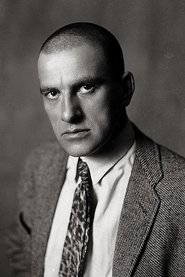
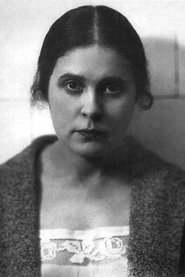
The making of Shackled by Film occurred during among the leading tumultuous periods in Russian history, immediately following the Bolshevik Revolution. The production was a collaboration between literary and visual artists from the Futurist movement, who saw cinema as the ultimate modern art form. Vladimir Mayakovsky, primarily known as a poet, brought his revolutionary artistic vision to the screen, while his relationship with Lilya Brik added personal drama to the production. The film's experimental nature meant that traditional cinematic techniques were often abandoned in favor of more avant-garde approaches. The production team worked with extremely limited resources due to the war and revolution, often improvising equipment and locations. The special effects required for the ballerina's transformation from poster to living person were particularly challenging for 1918 technology, requiring innovative camera tricks and editing techniques.
What critics said
Reviewers in 1918 weighed Shackled by Film on clarity, pacing, and audience response rather than prestige status. No single canonical review dominates later reference works for the title.
Did you know?
- This film represents one of the earliest cinematic appearances of Vladimir Mayakovsky, the renowned Russian Futurist poet
- Lilya Brik, who appears in the film, was Mayakovsky's muse and lifelong partner, playing a significant role in Russian avant-garde culture
- The film is considered mostly lost, with only fragments and still photographs surviving in archives
- Director Nikandr Turkin was relatively unknown, making this his most documented work despite its obscurity
- The film's themes of art coming to life reflect the Futurist movement's fascination with breaking down boundaries between different art forms
- Made during the Russian Civil War, the production faced extreme difficulties including lack of resources and political instability
- The surviving fragments are preserved at the Gosfilmofond archive in Moscow
- The film was part of a brief experimental movement in Russian cinema that preceded the more famous Soviet montage theory
- Mayakovsky's involvement in cinema was part of the Futurists' belief in embracing all modern art forms
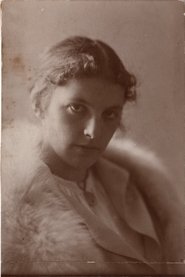
- The ballerina character was played by Margerita Kibalchich, who was also involved in radical artistic circles
Visual style
The cinematography of Shackled by Film was reportedly experimental for its time, incorporating techniques that reflected the Futurist aesthetic of dynamism and movement. While specific details are limited due to the film's lost status, it likely employed unusual camera angles, rapid editing, and visual distortion to create a sense of disorientation and wonder appropriate to its fantastical subject matter. The transformation scenes, where the ballerina emerges from the film poster, would have required innovative special effects techniques including multiple exposures and clever editing. The visual style was probably influenced by contemporary avant-garde art movements, particularly the emphasis on geometric forms and dynamic composition found in Suprematist and Constructivist art.
Innovations
Shackled by Film demonstrated several technical innovations for its time, particularly in its special effects work depicting the ballerina's emergence from a two-dimensional poster into three-dimensional reality. The film likely employed multiple exposure techniques, matte photography, and innovative editing methods to create its fantastical elements. The production team's ability to create these effects during the resource-scarce period of the Russian Civil War represents a significant technical achievement. The film's experimental approach to narrative structure and visual representation also contributed to early developments in cinematic language, prefiguring later avant-garde techniques. While much of the technical detail is lost due to the film's incomplete survival, what is known suggests it was an ambitious attempt to push the boundaries of what was technically possible in cinema at the time.
Music
As a silent film from 1918, Shackled by Film would have been accompanied by live musical performance during its theatrical run. The specific musical selections or original compositions used are not documented. However, given the film's avant-garde nature and Russian setting, it likely featured a mix of classical Russian music and possibly experimental compositions reflecting the Futurist aesthetic. The score would have been performed by a theater pianist or small orchestra, with musicians improvising to match the film's mood and action. The musical accompaniment would have played a crucial role in conveying the film's emotional and fantastical elements, particularly during the magical transformation sequences.
Famous quotes
Cinema is the art of making dreams visible
When art breathes, reality becomes a prisoner
The poster promised eternity, the film delivered it
In the darkness of the theater, light becomes truth
Memorable scenes
- The magical moment when the ballerina steps out from the film poster into three-dimensional reality, reportedly achieved through innovative special effects techniques that amazed audiences of 1918
What audiences thought
Information about audience reception to Shackled by Film is extremely limited due to the film's lost status and the lack of comprehensive documentation from 1918. Given the tumultuous social and political conditions of Russia during the Civil War period, theatrical distribution was likely limited and irregular. The film's avant-garde nature and intellectual themes would have appealed primarily to educated urban audiences, particularly those involved in or sympathetic to artistic experimentation. The presence of the famous poet Mayakovsky may have attracted curious viewers interested in seeing a literary icon in a new medium. However, the film's experimental approach and lack of conventional narrative structure may have challenged general audiences accustomed to more straightforward entertainment.
Film connections
Influenced by
- Italian Futurism
- Russian Symbolism
- French avant-garde cinema
- German Expressionism
- Dada movement
This film influenced
- The Man with the Movie Camera
- Battleship Potemkin
- Un Chien Andalou
- The Cabinet of Dr. Caligari
Film restoration
Shackled by Film is considered mostly lost, with only fragments, still photographs, and written descriptions surviving. The remaining materials are preserved at the Gosfilmofond State Film Archive in Moscow. Film historians continue to search for any additional footage that might exist in private collections or other archives, but the chances of finding a complete print are considered extremely low given the film's age and the historical circumstances of its production and distribution.
Where to watch
- Due to its mostly lost status, Shackled by Film is not available for public viewing. Film enthusiasts and researchers can view surviving still photographs and read about the film in specialized cinema history books and academic journals. The Gosfilmofond archive in Moscow maintains the existing fragments for scholarly research purposes only.