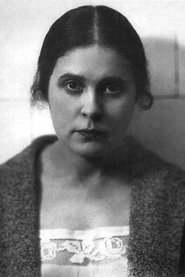
Lilya Brik
Actor
Born: November 11, 1891 in Moscow, Russian Empire Died: August 4, 1978 Active: 1915-1970s Birth Name: Lilya Yuryevna Kagan
Films
1 film
About Lilya Brik
Lilya Yuryevna Brik was born into a wealthy Jewish family in Moscow in 1891 and became figures in the Russian avant-garde movement of the early 20th century. She married literary critic Osip Brik in 1912 and their home became a gathering place for artists, poets, and intellectuals. Lilya became the muse and lover of renowned poet Vladimir Mayakovsky, inspiring some of his most famous works and becoming an figure of revolutionary art. She was deeply involved in experimental cinema, photography, and design, working closely with avant-garde artists like Alexander Rodchenko. Her striking appearance and bold personality made her a favorite subject for photographers and filmmakers of the era. After Mayakovsky's tragic suicide in 1930, she continued to be an important cultural figure, preserving his legacy and promoting avant-garde art. She spent her later years in France with her third husband, Vasily Katanyan, where she wrote memoirs and remained connected to the art world until her death in 1978.
The Craft
On Screen
Experimental and avant-garde approach, embodying the revolutionary spirit of early Soviet cinema with bold, expressive performances that challenged traditional theatrical conventions
Milestones
- Became Vladimir Mayakovsky's muse and lover
- Appeared in experimental Soviet films
- Collaborated with photographer Alexander Rodchenko
- Her home was center of Moscow avant-garde circle
- Preserved Mayakovsky's legacy after his death
- Moved to France and continued artistic work
- Wrote influential memoirs about the avant-garde era
Best Known For
Iconic Roles
Must-See Films
Accolades
Special Recognition
- Recognized as
- Subject of numerous retrospectives and exhibitions worldwide
Working Relationships
Worked Often With
Studios
Why They Matter
Impact on Culture
Lilya Brik revolutionized the concept of the muse in 20th-century art, transforming it from a passive role to an active, creative force. Her image became synonymous with the bold, revolutionary spirit of the Russian avant-garde, appearing in countless photographs, artworks, and films. She challenged traditional gender roles and social conventions, embodying the new Soviet woman who was both intellectual and sensual, artistic and political. Her collaborations with Mayakovsky and Rodchenko helped define the visual language of Soviet modernism, influencing everything from poetry to photography to graphic design.
Lasting Legacy
Lilya Brik's legacy extends far beyond her brief film career. She remains. Her preservation of Mayakovsky's work and memory ensured his continued influence on Russian literature and culture. She embodied the revolutionary ideals of her time while maintaining an artistic integrity that transcended political changes. Today, she is celebrated as a figure who helped shape modern Russian culture and as a symbol of artistic freedom and creative courage.
Who They Inspired
Brik influenced countless artists, photographers, and filmmakers through her avant-garde approach to art and life. Her work with Alexander Rodchenko helped establish new photographic techniques and aesthetics that influenced generations of photographers. Her relationship with Mayakovsky inspired some of the most important Russian poetry of the 20th century. Her fearless approach to art and life served as a model for later generations of women artists who sought to break free from traditional constraints and define their own creative paths.
Off Screen
Lilya Brik was known for her unconventional lifestyle and numerous relationships with prominent artists. She was married three times but maintained a lifelong connection with Vladimir Mayakovsky, who considered her his greatest muse despite her marriage to Osip Brik. Her relationships were often complex and overlapping, reflecting the revolutionary attitudes toward love and marriage in early Soviet society. She was known for her intelligence, beauty, and strong personality that attracted and influenced many of the era's greatest artists.
Education
Graduated from Moscow gymnasium, studied architecture and engineering, largely self-taught in artistic disciplines
Family
- Osip Brik (1912-1930s)
- Vitaly Primakov (1930s)
- Vasily Abgarovich Katanyan (1944-1978)
Did You Know?
- Famous quote 'All of Russia is my inheritance' attributed to her
- Her portrait by Alexander Rodchenko became
- Mayakovsky's famous poem 'A Cloud in Trousers' was inspired by her
- She was fluent in multiple languages including Russian, French, and German
- Her sister Elsa Triolette was also a prominent writer and married to French poet Louis Aragon
- She appeared on Soviet postage stamps as a cultural icon
- Her apartment in Moscow was known as the 'Brik salon' and attracted all major avant-garde artists
- She was one of the first women in Russia to openly discuss sexuality and relationships
- Her memoirs provide invaluable insights into the Russian avant-garde movement
- She was an accomplished photographer in her own right
- She survived the Stalinist purges despite her avant-garde associations
In Their Own Words
All of Russia is my inheritance
You are my muse and my torment
Art must be dangerous or it is nothing
I want to live all lives at once
Revolution begins in the bedroom
Frequently Asked Questions
Who was Lilya Brik?
Prominent figure in the Russian avant-garde movement, best known as Vladimir Mayakovsky's muse and as an influential actress, model, and cultural icon who helped shape early Soviet art and cinema.
What films is Lilya Brik best known for?
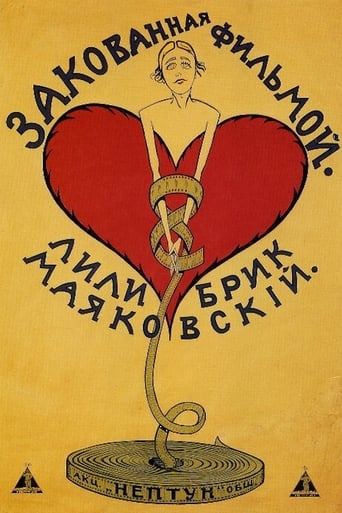
Titles linked here include Shackled by Film (1918), The Third Degree (1930) - documentary appearance.
When was Lilya Brik born and when did she die?
Born November 11, 1891; died August 4, 1978.
What awards did Lilya Brik win?
While she didn't receive formal awards during her lifetime, Lilya Brik is recognized posthumously as.
What was Lilya Brik's acting style?
Her acting style was experimental and avant-garde, embodying the revolutionary spirit of early Soviet cinema with bold, expressive performances that challenged traditional theatrical conventions and reflected the modernist aesthetic of the Russian avant-garde.
How did Lilya Brik influence Russian culture?
Lilya Brik profoundly influenced Russian culture as the muse who inspired Mayakovsky's greatest works, as a collaborator with avant-garde photographers like Rodchenko, and as a symbol of artistic freedom who helped define the visual language of Soviet modernism.
What was Lilya Brik's relationship with Vladimir Mayakovsky?
Lilya Brik was Mayakovsky's muse, lover, and creative partner despite being married to Osip Brik. Their complex relationship inspired some of the most important Russian poetry of the 20th century and continued until Mayakovsky's suicide in 1930.