
Sightseeing Through Whisky
"Too much whisky — too many visions"
Keys: Space play/pause · ←/→ 10s · F fullscreen · M mute · </> speed
About this film
Drunk sightseer John lags behind his tour group at a ruin and hallucinates comic visions from the bottle. Pathé farce links tourism boom with temperance-era drunk gags.
Cast & crew
More films like this
More Comedy films
View all →







More from Georges Méliès
View all →
More about this film
About the production
Release date1907
Box officeUnknown
ProductionStar Film Company
Filmed inParis, France (Studio Méliès)
This film was created using Méliès's innovative substitution splice technique and multiple exposure effects. The ruins were likely constructed as detailed set pieces in Méliès's glass studio in Montreuil-sous-Bois, allowing for precise control over the special effects. The production would have required careful choreography of the actors' movements to synchronize with the mechanical effects and transformations.
Themes
Alcoholism and its consequencesTourism and modern leisurePerception versus realityThe nature of hallucination and delusionSocial comedy and moral instruction
Themes & topics
Historical background
Sightseeing Through Whisky (1907) reflects European middle-class travel culture and comic drunk routines.
Why this film matters
Drunk hallucination shorts were program staples translating stage drunk acts to film.
Making of
The production of 'Sightseeing Through Whisky' took place in Méliès's elaborate glass-walled studio in Montreuil-sous-Bois, which allowed him to control lighting precisely for his special effects. The drunk character's hallucinations were achieved through a combination of multiple exposures, substitution splices, and mechanical stage effects. Méliès would have painted the sets himself, as he was a skilled artist and designer. The actors, particularly Fernande Albany, would have needed to perform with exaggerated gestures typical of early cinema to convey the story without dialogue. The filming process was painstaking, with each special effect requiring precise timing and multiple takes to perfect the illusion of transformation.
What critics said
Exhibitors paired it with travel actualities; archivists note Pathé's global distribution.
Did you know?
- the production was released by Méliès's Star Film Company and was cataloged as number 983-985 in their production list
- The film features Méliès's mastery of the substitution splice technique, which he pioneered and used extensively in his work
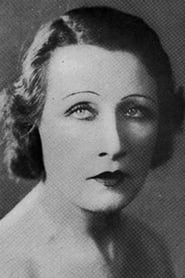
- Fernande Albany, one of the featured performers, was a regular collaborator with Méliès and appeared in many of his films between 1905-1912
- The title reflects the early 20th-century fascination with tourism and the growing concern about alcoholism in society
- Like many Méliès films, it was hand-colored in some releases, a labor-intensive process that added to the magical quality of the visuals
- The film was distributed internationally, with versions created for both European and American markets
- The hallucination sequences demonstrate Méliès's theatrical background, with influences from stage magic and Parisian café-concert traditions
- the production was part of Méliès's later period when he was producing shorter, more commercially-focused films to compete with emerging cinema styles
Visual style
The cinematography reflects Méliès's theatrical approach to filmmaking, with a fixed camera position reminiscent of a theater audience's perspective. The camera work is straightforward, allowing the elaborate special effects to take center stage. The film uses multiple exposure techniques to create the hallucination sequences, with careful masking and timing to achieve the supernatural transformations. The lighting would have been controlled through the glass studio design, creating the dramatic shadows and highlights characteristic of Méliès's visual style.
Innovations
The film features several of Méliès's pioneering technical innovations, including the substitution splice (cutting and replacing objects between frames), multiple exposure techniques, and sophisticated mechanical effects. The transformation sequences required precise timing and careful planning, demonstrating Méliès's mastery of the medium's technical possibilities. The film also represents an early example of using special effects to represent psychological states rather than purely magical phenomena, expanding the narrative potential of cinematic effects.
Music
As a silent film, 'Sightseeing Through Whisky' would have been accompanied by live musical performance during its original exhibition. The score would likely have been provided by a pianist or small orchestra in the theater, playing popular tunes of the era or classical pieces appropriate to the film's changing moods. For the drunken sequences, musicians might have employed comic or dissonant music to enhance the humorous effect. In some venues, sound effects might have been created manually to accompany the visual transformations.
Famous quotes
No dialogue was featured in this silent film
Memorable scenes
- The sequence where the ancient ruins begin to transform and dance around the drunken protagonist, showcasing Méliès's signature special effects and creating a surreal landscape that represents the character's alcohol-induced hallucinations
What audiences thought
Early 20th-century audiences were reportedly delighted by Méliès's magical transformations and the humorous depiction of drunken hallucinations. The film's combination of visual spectacle and relatable comedy made it popular in both European and American markets. As with many of Méliès's works, it was particularly successful in venues that catered to family audiences and those seeking spectacular entertainment. The film's brevity and visual clarity made it ideal for the mixed programming typical of early cinema exhibitions.
Film connections
Influenced by
- Stage magic and illusion shows
- Parisian café-concert entertainment
- Temperance movement literature
- Early 20th-century tourism narratives
This film influenced
- Later surrealist films exploring altered states
- Comedy films featuring drunken characters
- Fantasy sequences in narrative cinema
Film restoration
The film exists in archives and has been preserved by film institutions. Prints are held in collections such as the Cinémathèque Française and other major film archives. Some versions may retain the original hand-coloring that was characteristic of Méliès's premium releases.
Where to watch
- Available on various streaming platforms specializing in classic cinema
- Included in DVD collections of Georges Méliès's work
- Accessible through film archive websites and educational platforms
- Available for viewing at film museums and cinematheques with classic film collections