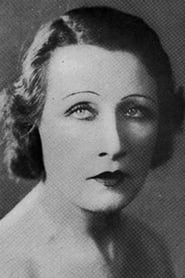
Fernande Albany
Actor
Born: 1880 in Paris, France Died: 1963 Active: 1904-1912 Birth Name: Fernande Albani
Films
11 films
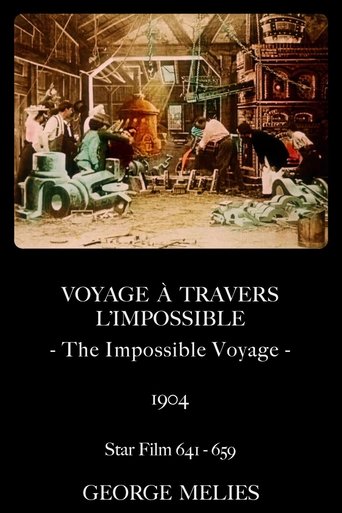
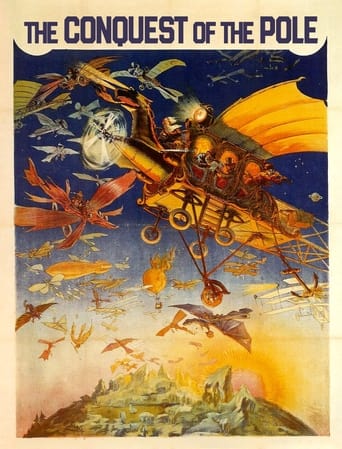
The Impossible Voyage
1904
The New Lord of the Village
1907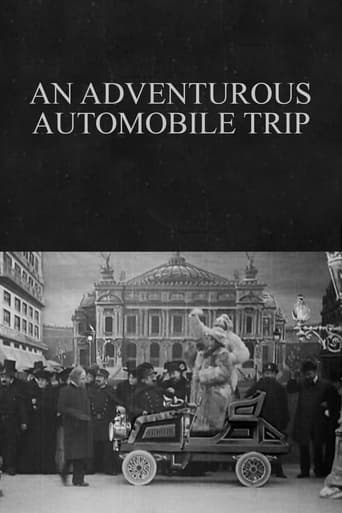
An Adventurous Automobile Trip
1904
The Good Luck of a 'Souse'
1908
Sightseeing Through Whisky
1907
Long Distance Wireless Photography
1908
In the Barber Shop
1908
Les infortunes des patineurs
1908
Buncoed Stage Johnnie
1908
Tunneling the English Channel
1907About Fernande Albany
French actress who emerged during the birth of cinema in the early 1900s, working primarily with the filmmaker Georges Méliès. She became one of the earliest recognizable film actresses through her appearances in Méliès's fantasy and trick films, which were in their use of special effects and imaginative storytelling. Her most notable collaboration with Méliès was in 'The Impossible Voyage' (1904), where she played one of the lead roles in this elaborate fantasy about scientists traveling to the sun and moon. Albany also appeared in other significant early films including 'An Adventurous Automobile Trip' (1904), which showcased Méliès's innovative approach to comedy and visual effects. Her the crucial transitional period of cinema from 1904 to 1912, during which filmmaking evolved from simple recordings to complex narrative works. Like many early film actors, Albany likely came from a theatrical background, bringing stage techniques to the new medium of cinema. Her performances, while typical of the exaggerated acting style required by early film technology, helped establish the foundation for cinematic acting that would evolve in subsequent decades.
The Craft
On Screen
Fernande Albany's acting style was characteristic of the early silent film era, featuring exaggerated gestures and dramatic expressions necessary to convey emotion and story to audiences in the absence of synchronized sound. Her performances incorporated theatrical techniques adapted for the camera, with broad physical comedy and clear, deliberate movements that could be easily understood by early cinema audiences. Like many actors of her generation, she had to project her performance through the limitations of early film technology, using her entire body to communicate character and narrative.
Milestones
- Starred in Georges Méliès's 'The Impossible Voyage' (1904)
- Appeared in early comedy 'An Adventurous Automobile Trip' (1904)
- Worked during the foundational period of narrative cinema
- Collaborated with one of cinema's earliest masters
- Participated in the development of early film acting techniques
Best Known For
Iconic Roles
Must-See Films
Accolades
Special Recognition
- Recognized as one of cinema's earliest female performers
- Noted contributor to Georges Méliès's film legacy
Working Relationships
Worked Often With
Studios
Why They Matter
Impact on Culture
Fernande Albany contributed to the foundational development of cinema as an art form during its most experimental and creative period. Her work with Georges Méliès helped establish visual storytelling techniques that would influence generations of filmmakers. As one of the earliest women to appear regularly in narrative films, she was part of the group that proved women could be central figures in cinematic storytelling, not just decorative elements. Her performances in Méliès's fantasy films helped demonstrate how actors could interact with special effects and imaginary environments, creating a template for future fantasy and science fiction performances.
Lasting Legacy
Fernande Albany's legacy lies in her contribution to cinema's earliest years as a performer who helped establish the language of film acting. Though she is not widely known today, her work survives in some of the most important films from cinema's first decade, which continue to be studied by film historians and enthusiasts. She represents the generation of actors who made the transition from stage to screen during the birth of cinema, adapting their craft to a new medium. Her films with Méliès are now recognized as UNESCO World Heritage documents, ensuring that her performances will be preserved as part of cinema's foundational history.
Who They Inspired
As an early film actress, Fernande Albany influenced subsequent generations of performers by demonstrating how theatrical techniques could be adapted for the camera. Her work in fantasy and comedy films helped establish approaches to physical comedy and character work that would be refined by later silent film stars. Though she did not directly mentor future stars, her performances in Méliès's films served as early examples for actors entering the emerging film industry, showing how to work within the constraints and possibilities of early cinema technology.
Off Screen
Very little is documented about Fernande Albany's personal life, which was common for many early film actors whose private details were not extensively recorded. She lived through the transformative period when cinema evolved from a novelty attraction to a respected art form. Her career coincided with the Belle Époque era in France, a time of great cultural and artistic innovation. After her film career ended around 1912, like many early cinema pioneers, she likely returned to other forms of entertainment or pursued different career paths as the film industry became more professionalized.
Did You Know?
- Fernande Albany worked during the era when films were typically only a few minutes long
- She appeared in films that were hand-colored frame by frame, a labor-intensive process
- Many of her films were distributed internationally by Méliès's Star Film company
- She worked before the development of close-ups as a common cinematic technique
- Her films were made when actors often performed multiple roles in the same production
- She was part of cinema before the star system was established
- Her work predates the establishment of Hollywood as the film capital
- She performed in films that were shown in both Europe and America
- Her career ended before the feature film became the standard format
- She worked in an era when film actors were not typically credited by name in advertisements
Frequently Asked Questions
Who was Fernande Albany?
French actress who worked in early silent films during the 1900s, primarily known for her collaborations with filmmaker Georges Méliès. She appeared in several significant early films including 'The Impossible Voyage' (1904) and was active during cinema's foundational period from 1904 to 1912.
What films is Fernande Albany best known for?
Titles linked here include The Impossible Voyage (1904), An Adventurous Automobile Trip (1904).
When was Fernande Albany born and when did she die?
Born 1880; died 1963.
What was Fernande Albany's acting style?
Fernande Albany's acting style was typical of the early silent film era, featuring exaggerated gestures and dramatic expressions necessary to convey emotion without sound. She adapted theatrical techniques for the camera, using broad physical comedy and clear movements that early cinema audiences could easily understand.
What was Fernande Albany's cultural impact?
Fernande Albany contributed to cinema's early development as one of the first women to appear regularly in narrative films. Her work with Georges Méliès helped establish foundational film acting techniques and demonstrated how performers could interact with special effects, influencing future generations of actors in fantasy and science fiction films.