Sinbad the Sailor
"Back under pressure"
Keys: Space play/pause · ←/→ 10s · F fullscreen · M mute · </> speed
About this film
Sinbad battles a band of pirates at sea and on a tropical isle. A giant bird rescues him, and he ends up back on his ship with the pirates' treasure.
Cast & crew
More films like this
More Adventure films
View all →

More from Ub Iwerks
View all →
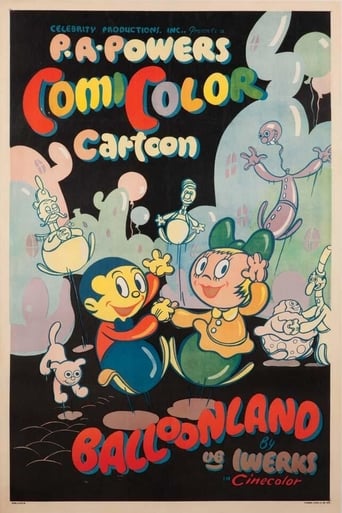

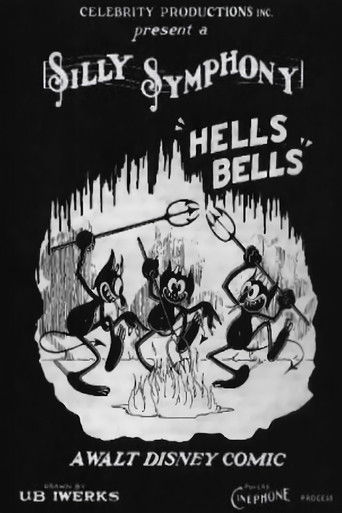

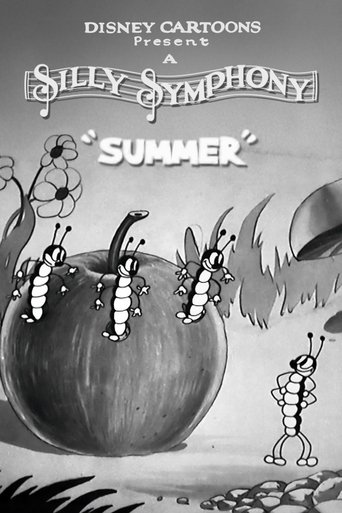
More about this film
About the production
Release date1935-03-15
ProductionCelebrity Productions, Ub Iwerks Studio
Filmed inBurbank, California
This animated short was part of the ComiColor Cartoons series, which utilized the revolutionary two-color Technicolor process. The film was created during a challenging period for Ub Iwerks' independent studio, which was competing against Disney's increasingly dominant position in the animation industry. The animation team employed rotoscoping techniques for certain character movements to achieve more realistic motion, and the backgrounds were painted with watercolors to create a rich, storybook aesthetic. The giant bird sequence was particularly ambitious for its time, requiring complex multi-layered animation to convey the scale and power of the creature.
Themes
Adventure and explorationGood versus evilThe power of natureCourage in the face of dangerTriumph over adversity
Themes & topics
Historical background
Sinbad the Sailor (1935) emerged during the studio-system peak and early sound decades, when exhibition habits and national film industries were still taking shape.
Why this film matters
Sinbad the Sailor remains accessible through digital archives, giving modern viewers a direct link to 1935 screen culture.
Making of
The production of 'Sinbad the Sailor' took place at Ub Iwerks' studio in Burbank, California, during a critical period in animation history. After leaving Disney in 1930, Iwerks established his own studio with backing from Pat Powers, initially producing the Flip the Frog series. By 1935, he had transitioned to the ComiColor Cartoons series, which featured fairy tale and adventure stories like Sinbad. The animation team faced significant technical challenges working with the two-color Technicolor process, which required careful planning of color schemes since only red and green tones could be reproduced. Iwerks, known for his incredible speed and technical prowess as an animator, often worked late hours perfecting the complex sequences. The giant bird rescue scene reportedly took weeks to animate, requiring multiple animators working on different layers of the same shot. The studio was perpetually understaffed and underfunded compared to Disney, leading to creative solutions for achieving impressive visual effects with limited resources.
What critics said
Trade and revival screenings have kept Sinbad the Sailor (1935) on the map for collectors and scholars rather than mass first-run promotion.
Did you know?
- This was one of the last ComiColor Cartoons produced before Ub Iwerks' studio faced financial difficulties and eventually closed.
- The film showcases Iwerks' signature animation style, characterized by fluid character movement and imaginative creature design.
- The giant bird in the film was inspired by the roc, a bird of prey from Middle Eastern mythology, which was also featured in the original Sinbad tales.
- Ub Iwerks reportedly worked personally on the most complex animation sequences, including the climactic bird rescue scene.
- The ComiColor series was one of the first animated series to consistently use Technicolor, though the two-color process limited the color palette compared to later three-color Technicolor.
- The pirate characters were designed to resemble typical Hollywood villains of the era, with exaggerated features and menacing expressions.
- Despite its technical achievements, the series struggled to find distribution, partly because many theaters weren't equipped for Technicolor projection.
- Sinbad was a popular character in animation during the 1930s, with multiple studios producing their own versions of the sailor.
- The film's tropical island setting allowed Iwerks to experiment with lush, colorful backgrounds that showcased the Technicolor process.
- This short was released during the height of the Great Depression, when audiences sought escapist entertainment in fantasy and adventure stories.
Visual style
The cinematography of 'Sinbad the Sailor' was achieved through traditional cel animation techniques enhanced by the two-color Technicolor process. The film's visual style features rich, saturated reds and greens that create a distinctive fairy-tale atmosphere, particularly effective in the tropical island sequences. The animation team employed multiplane camera techniques for certain shots, creating a sense of depth and dimensionality that was innovative for its time. The giant bird sequence showcases sophisticated camera movements, including dramatic zooms and tracking shots that emphasize the creature's massive scale. Background paintings were executed in watercolor to achieve a soft, storybook quality that complemented the more precisely animated foreground characters. The color palette was carefully designed to work within the limitations of the two-color process, with strategic use of contrast and shading to create visual interest.
Innovations
The film represents several important technical achievements in animation from the mid-1930s. Most notably, it was produced using the two-color Technicolor process, which was still relatively rare in animation at the time due to its expense and technical complexity. The giant bird sequence demonstrates advanced multi-layered animation techniques, with separate cels for different body parts to create fluid, realistic movement of the massive creature. The animation team employed rotoscoping for certain character movements, particularly in the action sequences, to achieve more naturalistic motion. The film features sophisticated use of the multiplane camera for certain shots, creating an illusion of depth that was cutting-edge for its time. The watercolor background paintings represent an artistic technique that would influence later animation styles, particularly in their ability to create atmospheric, storybook environments.
Music
The musical score for 'Sinbad the Sailor' was typical of animated shorts of its era, featuring orchestral arrangements that emphasized the adventure and fantasy elements of the story. The soundtrack was recorded using the standard optical sound-on-film process of the mid-1930s, with music synchronized to the animation through the use of timing sheets and click tracks. The score incorporates Middle Eastern-inspired musical motifs to reinforce the exotic setting, though these are interpreted through a Western orchestral lens typical of Hollywood productions of the period. Dynamic musical cues accompany the action sequences, with swashbuckling themes during the pirate battles and soaring, majestic music for the giant bird's appearance. The film uses minimal dialogue, relying instead on musical storytelling and visual pantomime to convey the narrative, which was common practice for animated shorts of this era.
Famous quotes
*Sinbad battles fiercely against the pirate crew* (visual storytelling through action)
*The giant bird swoops down with majestic wings spread* ( visual moment)
*Sinbad discovers the pirates' treasure chest gleaming in the sunlight* (triumphant discovery)
Memorable scenes
- The spectacular sequence where the giant bird descends from the sky to rescue Sinbad, showcasing impressive multi-layered animation and dramatic camera movements that emphasize the creature's enormous scale and power. The scene features the bird's massive wings casting shadows over the island as Sinbad looks up in awe, followed by a breathtaking aerial shot as the bird carries him above the clouds and back to his ship, demonstrating the technical prowess of Iwerks' animation team.
What audiences thought
Audience reception to 'Sinbad the Sailor' in 1935 was generally favorable, particularly among children and families who were the primary audience for animated shorts. The adventure story and spectacular visual elements, especially the giant bird rescue, proved popular with theater audiences seeking lighthearted entertainment during the Depression era. The film's exotic setting and pirate adventure themes resonated with contemporary audiences who were familiar with Sinbad stories through various media adaptations. However, the limited distribution of the ComiColor series meant that many viewers, especially in smaller towns, never had the opportunity to see the film due to theaters' lack of Technicolor projection equipment. Those who did see it often remembered it primarily for its striking color imagery and the impressive scale of the bird sequence. Modern audiences encountering the film through animation festivals or archival screenings often express surprise at the sophistication of the animation and the effective use of limited color technology.
Film connections
Influenced by
- Arabian Nights tales
- Classic pirate adventure stories
- Earlier animated adventure shorts
- Hollywood swashbuckler films
- Illustrated storybooks and fairy tales
This film influenced
- Later animated adventure shorts
- Disney's pirate-themed animations
- Warner Brothers' adventure cartoons
- Later color animation techniques
Film restoration
The film exists in archival collections, though like many ComiColor Cartoons, it has not been widely restored or remastered. Original nitrate prints are extremely rare due to the chemical instability of early film stock. The UCLA Film and Television Archive holds copies of several ComiColor Cartoons, though the specific preservation status of this Sinbad short varies by collection. Some public domain versions exist online, though these are often taken from lower-quality sources and may not represent the film's original color and visual quality. Animation enthusiasts and preservationists continue to seek out and preserve these historically important shorts, recognizing their value in understanding animation history.
Where to watch
- YouTube (various public domain uploads)
- Internet Archive
- Animation festival screenings
- Museum exhibitions featuring Ub Iwerks' work
- Specialized animation streaming services
- DVD compilations of public domain cartoons