Ub Iwerks
Actor & Director
Born: March 24, 1901 in Kansas City, Missouri, USA Died: July 7, 1971 Active: 1919-1971 Birth Name: Ubbe Ert Iwerks
Films
15 films
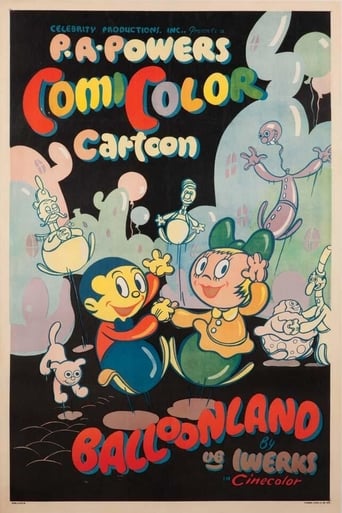
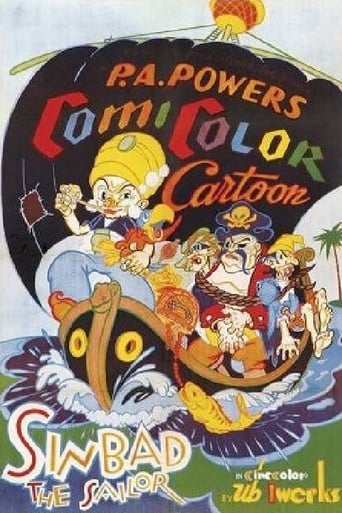

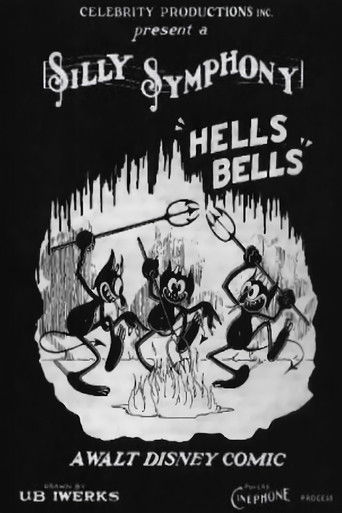

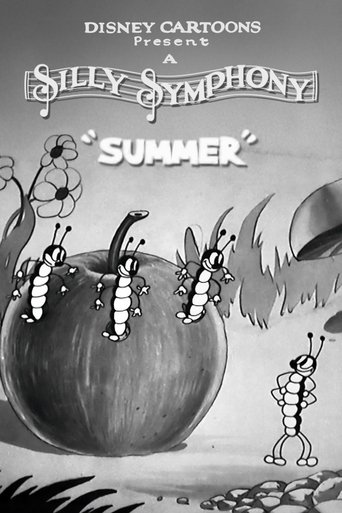



About Ub Iwerks
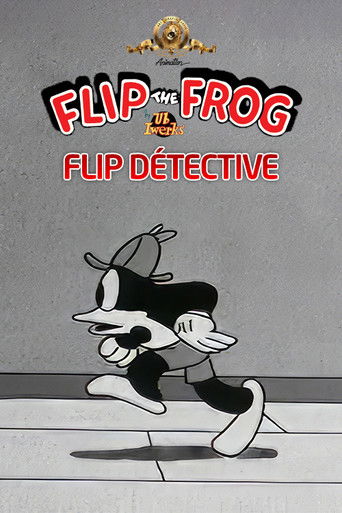
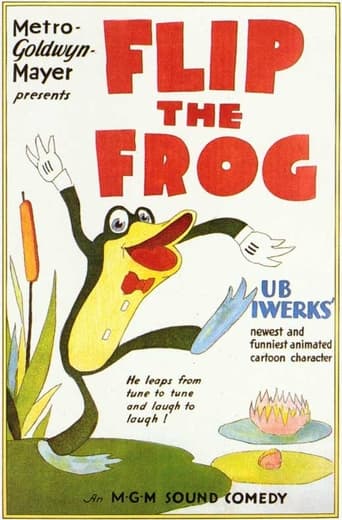
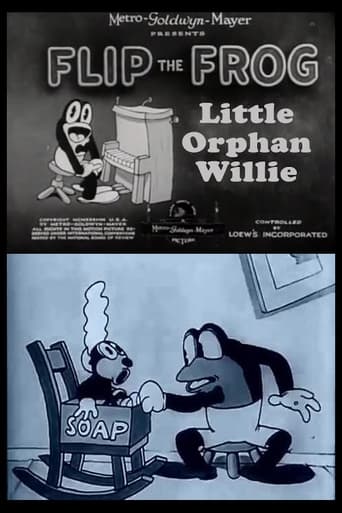
Ubbe Ert Iwerks, known professionally as Ub Iwerks, was a revolutionary American animator, cartoonist, and technical innovator whose contributions fundamentally shaped animation history. Born in Kansas City, Missouri, Iwerks met Walt Disney in 1919 at the Pesmen-Rubin Commercial Art Studio, beginning one of cinema's most significant creative partnerships. As Disney's primary animator during the studio's formative years, Iwerks single-handedly animated the first Mickey Mouse cartoons and developed the character's design after Disney lost the rights to Oswald the Lucky Rabbit. Known for his astonishing speed—reportedly capable of producing up to 700 drawings per day—Iwerks created the animation for landmark shorts including 'Steamboat Willie' (1928), the first cartoon with synchronized sound. After a falling out with Disney in 1930, he established his own studio, creating the 'Flip the Frog' and 'Willie Whopper' series, though these never achieved Mickey's popularity. Iwerks returned to Disney in 1940, shifting his focus to technical innovation and special effects, where he revolutionized processes for combining live-action and animation in films like 'Song of the South' (1946) and 'Mary Poppins' (1964). His five decades, earning him two Academy Awards and cementing his legacy as both an artistic pioneer and technical genius whose innovations continue to influence animation today.
The Craft
Behind the Camera
Iwerks' directing style was characterized by bold, fluid animation and innovative visual gags. His cartoons featured exaggerated physical comedy, dynamic movement, and experimental techniques that pushed the boundaries of what was possible in early animation. His independent work at Iwerks Studio often showcased surreal, dreamlike sequences and sophisticated visual effects that were ahead of their time.
Milestones
- Co-created Mickey Mouse with Walt Disney (1928)
- Animated the first synchronized sound cartoon 'Steamboat Willie' (1928)
- Established his own animation studio Iwerks Studio (1930)
- Returned to Disney as technical director (1940)
- Developed the multiplane camera process at Disney
- Pioneered techniques for combining live-action and animation
- Won Academy Awards for technical achievements (1959, 1965)
- Worked on special effects for over 80 Disney films
Best Known For
Iconic Roles
Must-See Films
Accolades
Won
- Academy Award for Technical Achievement (1959) - for designing and applying an improved method of processing and transferring animated drawings to motion picture film
- Academy Award for Technical Achievement (1965) - for the conception and perfection of techniques for color traveling matte composite cinematography
- Winsor McCay Award (1970) - for lifetime achievement in animation
Nominated
- Academy Award nomination for Best Short Subject (Cartoon) for 'The Old Mill' (1937) - as technical consultant
- Academy Award nomination for Best Short Subject (Cartoon) for 'Mother Goose Goes Hollywood' (1938) - as technical consultant
Special Recognition
- Disney Legend Award (posthumously inducted 1989)
- Hollywood Walk of Fame star (located at 6814 Hollywood Boulevard)
- International Animated Film Association Hall of Fame
- Missouri Walk of Fame inductee
- ASIFA-Hollywood Annie Award for Winsor McCay Award (1970)
Working Relationships
Worked Often With
Studios
Why They Matter
Impact on Culture
Ub Iwerks' impact on animation and cinema cannot be overstated. As the co-creator and primary animator of Mickey Mouse, he helped establish. His technical innovations, particularly in special effects and animation techniques, revolutionized how animated and live-action films were produced, making previously impossible visual effects achievable. The development of the multiplane camera and advanced matte techniques under his guidance elevated animation from novelty to art form, influencing countless animators and filmmakers. His work on combining live-action and animation in films like 'Mary Poppins' created new cinematic possibilities that continue to inspire contemporary filmmakers. Iwerks' dedication to technical excellence and artistic innovation helped establish animation as a legitimate and respected medium in Hollywood, paving the way for the modern animation industry.
Lasting Legacy
Ub Iwerks' legacy endures through both the characters he created and the technologies he developed. Mickey Mouse, his most famous creation, remains one of the world's most recognized and beloved characters, generating billions in revenue annually for Disney. His technical innovations in special effects and animation processes continue to influence modern filmmaking, with many of his techniques still in use today, albeit in digital form. The Iwerks Entertainment company, founded by his son Don, continues his legacy of technical innovation in entertainment technology. Animation historians and professionals recognize Iwerks as one of the medium's true pioneers, with his work studied in film schools worldwide. His story represents both the creative genius behind animation's golden age and the crucial role of technical innovation in advancing artistic expression in cinema.
Who They Inspired
Iwerks influenced generations of animators through his innovative techniques and artistic approach. His rapid drawing methods and fluid animation style set standards for quality and efficiency that studios still emulate. The technical processes he developed for combining animation and live-action directly influenced filmmakers from Steven Spielberg to Robert Zemeckis. His work on the multiplane camera inspired Pixar's approach to creating depth in digital animation. Many legendary animators, including Chuck Jones and Tex Avery, cited Iwerks' early work as inspiration. His emphasis on technical innovation as a means to artistic expression influenced the development of computer animation and modern visual effects. The Iwerks family's continued work in entertainment technology ensures his influence extends into contemporary cinema and theme park attractions.
Off Screen
Ub Iwerks married Mildred Sarah Henderson in 1927, and they remained married until her death in 1969. The couple had two children: David Iwerks and Don Iwerks, with Don following in his father's footsteps as a Disney technical innovator. Iwerks was known as a quiet, unassuming man who preferred working behind the scenes to seeking the spotlight. Despite his massive contributions to animation and film technology, he rarely gave interviews and maintained a low public profile throughout his life. He died of a heart attack at age 70 in Burbank, California, leaving behind an unparalleled legacy in animation history.
Education
Attended Kansas City's Northeast High School but left before graduation to work full-time in commercial art. His formal education was limited, but he received extensive on-the-job training in animation and technical processes throughout his career.
Family
- Mildred Sarah Henderson (1927-1969)
Did You Know?
- Could draw up to 700 animation drawings in a single day, an incredible speed that amazed his colleagues
- The name 'Iwerks' is Dutch, and his full birth name 'Ubbe Ert Iwerks' reflects his Dutch heritage
- Created the first Mickey Mouse cartoon 'Plane Crazy' in secrecy while Disney was in New York losing the rights to Oswald the Lucky Rabbit
- His studio produced the first cartoon in full three-strip Technicolor, 'Fiddlesticks' (1930)
- Developed a special camera system for '20,000 Leagues Under the Sea' (1954) that won an Academy Award
- Was the primary animator for the first three years of Mickey Mouse cartoons, personally animating nearly every frame
- His son Don Iwerks invented the Circle-Vision 360° film system used in Disney theme parks
- Despite co-creating Mickey Mouse, he never received creator credit or royalties from Disney during his lifetime
- Worked on the xerographic process used in '101 Dalmatians' that allowed for faster animation production
- His studio's mascot Flip the Frog was the first cartoon character to appear in color (1930)
- Was posthumously inducted as a Disney Legend in 1989, recognizing his fundamental contributions to the company
In Their Own Words
Animation can explain whatever the mind of man can conceive. This facility makes it the most versatile and explicit means of communication yet devised for quick mass appreciation.
I don't have time to be a celebrity. I've got work to do.
The secret to good animation is not in the drawing itself, but in the movement between the drawings.
Walt was the dreamer, I was the one who had to make it work on paper.
Every frame is a new challenge. You're not just drawing pictures, you're creating life one drawing at a time.
Frequently Asked Questions
Who was Ub Iwerks?
American animator and technical innovator who co-created Mickey Mouse with Walt Disney. He was Disney's primary animator during the studio's formative years and later revolutionized special effects in filmmaking. His innovations in animation technology and techniques fundamentally shaped both the Disney studio and the entire animation industry.
What films is Ub Iwerks best known for?
Titles linked here include Steamboat Willie (1928), Plane Crazy (1928).
When was Ub Iwerks born and when did he die?
Born March 24, 1901; died July 7, 1971.
What awards did Ub Iwerks win?
Ub Iwerks won two Academy Awards for Technical Achievement, one in 1959 for improving animation transfer processes and another in 1965 for color traveling matte cinematography. He also received the Winsor McCay Award for lifetime achievement in animation in 1970 and was posthumously inducted as a Disney Legend in 1989. Additionally, he has a star on the Hollywood Walk of Fame.
What was Ub Iwerks' directing style?
Iwerks' directing style emphasized bold, fluid animation and innovative visual gags. His cartoons featured exaggerated physical comedy, dynamic movement, and experimental techniques that pushed animation boundaries. His independent work often showcased surreal, dreamlike sequences and sophisticated visual effects that were ahead of their time, demonstrating his willingness to experiment with both artistic and technical possibilities.
Did Ub Iwerks create Mickey Mouse?
Yes, Ub Iwerks co-created Mickey Mouse with Walt Disney in 1928. While Disney conceived the character concept, Iwerks designed Mickey's iconic appearance and animated the first cartoons almost entirely by himself. He was responsible for the character's distinctive circular design that made him easier to animate and more appealing to audiences.
Why did Ub Iwerks leave Disney?
Iwerks left Disney in 1930 reportedly due to a contract dispute and feeling underappreciated despite his crucial role in the studio's success. He was offered a lucrative contract to start his own studio by a distributor who wanted to compete with Disney. His independent studio produced the Flip the Frog and Willie Whopper series but struggled financially, leading to his return to Disney in 1940.
What technical innovations did Ub Iwerks develop?
Iwerks developed numerous technical innovations including improved methods for transferring animation to film, advanced matte photography techniques for combining live-action and animation, and special camera systems for underwater filming. He worked on the xerographic process used in '101 Dalmatians' and developed processes for the multiplane camera. His innovations were crucial to Disney's technical advancement in both animation and live-action films.