
The Adventures of Prince Achmed
"An African sorcerer conjures up a flying horse, which he shows to the Caliph"
Keys: Space play/pause · ←/→ 10s · F fullscreen · M mute · </> speed
About this film
An African sorcerer conjures up a flying horse, which he shows to The Caliph. When the sorcerer refuses to sell it for any amount of gold, The Caliph offers any treasure he has. The sorcerer chooses Dinarsade, The Caliph's daughter, to her great distress.
Cast & crew
More Animation films
View all →


More from Lotte Reiniger
View all →
More about this film
About the production
Release dateSeptember 3, 1926 (Berlin premiere)
BudgetApproximately 100,000 Reichsmarks (estimated)
Box officeLimited commercial success due to its avant-garde nature and the economic challenges of post-WWI Germany
ProductionComenius-Film GmbH, Lotte Reiniger Studio
Filmed inBerlin, Germany
The film was created using silhouette animation techniques with cut-out figures made of cardboard and thin sheets of lead. Each frame required the careful positioning of multiple figures on backlit glass plates, with Reiniger and her small team manipulating the cutouts by hand. The production took nearly three years to complete, from 1923 to 1926, with approximately 96,000 individual frames animated. The backgrounds were created using multiple layers of glass to achieve depth and parallax effects.
Themes
Love and RomanceGood vs EvilMagic and SupernaturalAdventure and ExplorationDeception and Trickery
Themes & topics
Arabian NightsSilhouette AnimationFlying HorseMagic LampSorcererPrincessAdventureFantasyMiddle Eastern FolkloreSilent Film
Historical background
The Adventures of Prince Achmed (1926) emerged during the silent-film era. An African sorcerer conjures up a flying horse, which he shows to the Caliph. Archival records and catalog entries help place the work within film-history surveys of the period.
Why this film matters
Preserved under Wikidata ID Q567591, The Adventures of Prince Achmed is valued as a animated work within catalog and archive collections. Wikipedia's "The Adventures of Prince Achmed" entry connect it to broader histories of cinema exhibition and restoration.
Making of
The production of 'The Adventures of Prince Achmed' was a monumental undertaking that took place in a small studio in Berlin. Lotte Reiniger worked with a team of just three assistants, including her husband Carl Koch, who operated the camera. The team used a special animation stand with backlit glass plates, creating the silhouette effect by photographing black cutouts against illuminated backgrounds. Reiniger would spend hours cutting the intricate figures with scissors, with some characters requiring up to 50 different jointed pieces to achieve fluid movement. The production faced numerous challenges, including financial difficulties and technical limitations of the era. Reiniger had to develop her own tools and techniques, including a method for creating the illusion of depth by stacking multiple glass plates at different distances from the camera. The musical score was composed by Wolfgang Zeller and performed live during initial screenings, as was common for silent films of the period.
What critics said
Survival status shapes reception: The Adventures of Prince Achmed is discussed mainly in preservation and film-history literature rather than in wide contemporary review columns.
Did you know?
- It is widely considered the oldest surviving animated feature film in cinema history, predating Disney's 'Snow White and the Seven Dwarfs' by over a decade.
- Lotte Reiniger invented the multiplane camera technique for this film, which was later patented and used by Disney studios.
- The original negative was destroyed during World War II, but Reiniger managed to escape with a copy of the film to England.
- The film features no dialogue, as it was created during the silent era, relying entirely on visual storytelling and musical accompaniment.
- Reiniger was only 23 years old when she began working on this groundbreaking project.
- The animation was done entirely by hand, with Reiniger manipulating the silhouette figures using tiny wires and pins.
- The film was color-tinted for its original release, with different scenes having different color schemes to enhance the mood.
- Despite its historical significance, the film was nearly lost forever and only survived due to Reiniger's preservation efforts.
- The character designs were inspired by Chinese shadow puppetry, which Reiniger had studied extensively.
- The film's restoration in the 1990s required piecing together elements from various damaged copies from around the world.
Awards & recognition
- German Film Award (Film Award in Gold) for Outstanding Individual Achievement in 1979 (posthumous recognition for Lotte Reiniger)
- World Animation Celebration Award for Historical Achievement in 1997
- Annie Award for Outstanding Achievement in Animation (Winsor McCay Award) to Lotte Reiniger in 1979
Visual style
The cinematography of 'The Adventures of Prince Achmed' was revolutionary for its time, utilizing a complex multiplane setup with multiple glass plates to create depth and dimension. The silhouette technique involved photographing black cutout figures against illuminated backgrounds, creating stark contrasts and dramatic shadows. Reiniger and her team used varying distances between the glass plates to achieve parallax effects, giving the illusion of three-dimensional space in a two-dimensional medium. The film employed sophisticated camera movements including pans and zooms, which were extremely difficult to achieve with stop-motion animation of this type. The original release featured color tinting, with different scenes bathed in amber, blue, or red tints to enhance mood and atmosphere. The lighting was carefully controlled to create the silhouette effect while maintaining visibility of the intricate details in the cutout designs.
Innovations
The film's most significant technical achievement was the development and perfection of silhouette animation as a feature-length medium. Lotte Reiniger invented and refined numerous techniques including the use of jointed figures for realistic movement, the multiplane camera setup for depth, and the use of wax to create subtle lighting effects. The film employed approximately 250,000 individual cutout pieces, with some complex characters requiring up to 50 separate pieces joined with tiny wires. The animation team developed methods for creating effects like fire, water, and magical transformations using cutout patterns and special lighting techniques. The film also pioneered the use of color tinting in animation, with different scenes having carefully selected color schemes. Perhaps most importantly, it demonstrated that complex, feature-length narratives could be told through animation alone, paving the way for the entire animated feature industry.
Music
The original musical score was composed by Wolfgang Zeller, a prominent German composer known for his film music during the silent era. The score was designed to be performed live by an orchestra during screenings, with different musical themes representing various characters and emotions. Zeller's composition incorporated elements of Middle Eastern music to reflect the film's Arabian Nights setting, using instruments like the oud and various percussion instruments alongside traditional Western orchestral arrangements. For the film's restoration, new musical scores have been created, including versions by contemporary composers. The most recent restoration features a score by the British Film Institute that attempts to recreate Zeller's original intentions while adding modern recording quality. The music plays a crucial role in the storytelling, as there is no dialogue, with the score conveying emotion, action, and narrative progression.
Famous quotes
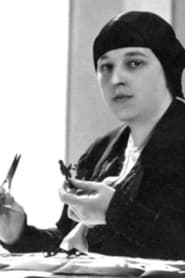
The magic of animation lies not in what you see, but in what you imagine between the frames. - Lotte Reiniger
I believe in the fairy tale. I believe in magic. I believe in the power of imagination. - Lotte Reiniger on her artistic philosophy
With silhouettes, you can create a whole world with just light and shadow. - Lotte Reiniger
Memorable scenes
- Prince Achmed's first flight on the magical horse, with the silhouette figure soaring against tinted clouds as the music swells dramatically.
- The transformation sequence where the sorcerer changes into various animals, showcasing Reiniger's mastery of metamorphosis through silhouette animation.
- The battle with the demons of Wak Wak, featuring multiple animated figures in intricate combat sequences against fantastical monsters.
- Aladdin's discovery of the magic lamp, with the genie emerging in a swirling spiral of smoke and light effects.
- The final reunion of Prince Achmed and Princess Peri Banu, with their silhouettes embracing against a romantic sunset background.
What audiences thought
Contemporary audience reception was limited due to the film's avant-garde nature and the changing landscape of cinema with the advent of sound. However, those who saw it were reportedly enchanted by its magical qualities. The film found more success in art cinemas and among intellectual audiences rather than mainstream moviegoers. In modern times, the film has developed a cult following and is regularly screened at film festivals, museums, and art house cinemas. Audiences today are often amazed by the film's technical sophistication and artistic beauty, with many noting how it remains visually stunning despite its age. The film has gained new appreciation through home video releases and streaming platforms, introducing it to younger audiences who continue to be captivated by its timeless storytelling and unique visual style.
Film connections
Influenced by
- Chinese Shadow Puppetry
- German Expressionism
- One Thousand and One Nights (Arabian Nights)
- Georges Méliès' fantasy films
- Paul Wegener's 'The Golem'
This film influenced
- Disney's 'Snow White and the Seven Dwarfs'
- Yuri Norstein's 'Hedgehog in the Fog'
- Michel Ocelot's 'Princes and Princesses'
- Adam Elliot's 'Mary and Max'
- Don Hertzfeldt's 'It's Such a Beautiful Day'
Film restoration
The film was successfully preserved and restored in 1999 by the British Film Institute in collaboration with the Deutsches Filmmuseum. The restoration involved combining elements from various damaged prints held in archives around the world, including the Library of Congress, the BFI, and private collections. The original camera negative was destroyed during World War II, making the restoration particularly challenging. The restored version features reconstructed color tinting based on original notes and contemporary descriptions. In 2016, the film was selected for preservation in the United States National Film Registry by the Library of Congress for being 'culturally, historically, or aesthetically significant'. Digital 4K restoration was completed in 2020, ensuring the film's survival for future generations.
Where to watch
- The Criterion Channel (streaming)
- The Criterion Collection DVD/Blu-ray release
- Mubi (streaming platform)
- Kanopy (free with library card)
- Various public domain sites (though quality varies)
- Film museum screenings and special events
- Educational institutions with film archives
- BFI Player (UK streaming service)