Lotte Reiniger
Director
Born: June 2, 1899 in Berlin, German Empire Died: June 19, 1981 Active: 1919-1979 Birth Name: Charlotte Reiniger
Films
2 films
About Lotte Reiniger
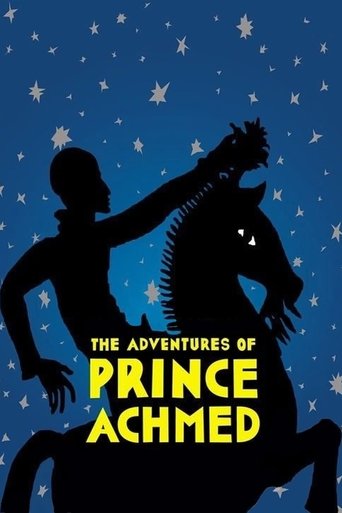
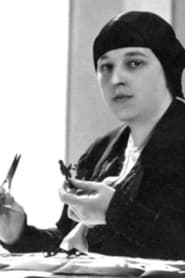
Charlotte 'Lotte' Reiniger — German film director and animator who revolutionized the art of silhouette animation. Born in Berlin in 1899, she developed a fascination with Chinese shadow puppetry and silhouette art from an early age, which would become the foundation of her unique cinematic style. Reiniger's breakthrough came with the creation of 'The Adventures of Prince Achmed' (1926), widely recognized as the oldest surviving animated feature film and a masterpiece of silent cinema. Throughout her prolific career spanning six decades, she created over 40 films, primarily adapting fairy tales, myths, and operas into intricate silhouette animations. Her work caught the attention of filmmakers worldwide, including Jean Renoir who collaborated with her. When the Nazis rose to power, Reiniger and her husband Carl Koch fled Germany, eventually settling in England where she continued her artistic output. Despite facing numerous challenges including the destruction of her studio during WWII and the transition to sound cinema, she remained dedicated to her craft until her death in 1981, leaving behind an extraordinary legacy as one of cinema's most innovative and underappreciated pioneers.
The Craft
Behind the Camera
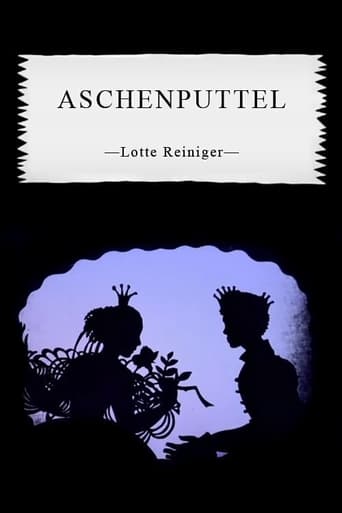
Lotte Reiniger's directing style was characterized by her revolutionary silhouette animation technique, which involved meticulously cutting out paper figures with articulated joints and photographing their movements frame by frame. She employed a multiplane camera setup to create depth and dimension within her two-dimensional compositions, allowing for sophisticated visual storytelling. Her aesthetic drew heavily from Chinese shadow puppetry, German Expressionism, and Art Nouveau influences, resulting in films that were both technically innovative and artistically beautiful. Reiniger's narratives typically focused on fairy tales, myths, and operatic stories, which she adapted with remarkable attention to detail and emotional nuance. Her directing approach emphasized the power of visual storytelling, using minimal dialogue and relying on music, movement, and silhouette to convey complex emotions and narratives. The precision required for her technique meant she often worked with extremely small teams, sometimes single-handedly creating entire films, demonstrating extraordinary patience and artistic dedication.
Milestones
- Created 'The Adventures of Prince Achmed' (1926), the oldest surviving animated feature film
- Pioneered the silhouette animation technique using jointed paper figures
- Directed over 40 films during her six-decade career
- Collaborated with Jean Renoir on 'La Marseillaise' (1938)
- Fled Nazi Germany and continued her work in England
- Received the German Film Award for lifetime achievement in 1972
- Had her films restored and preserved by major international archives
- Influenced generations of animators with her unique artistic vision
Best Known For
Must-See Films
Accolades
Won
- German Film Award for lifetime achievement (1972)
- Filmband in Gold for outstanding contributions to German cinema (1972)
- First Prize at Venice Film Festival for 'The Adventures of Prince Achmed' (1926)
- Hans Christian Andersen Award for illustration (1975)
Nominated
- Nominated for retrospective at Museum of Modern Art (1935)
- Considered for Academy Honorary Award (1970s)
Special Recognition
- Retrospective at Museum of Modern Art, New York (1935)
- Complete film retrospective at National Film Theatre, London (1970)
- Honored at Berlin International Film Festival (1976)
- Featured in 'Pioneers of Cinema' exhibition at Victoria and Albert Museum
- Inducted into Animation Hall of Fame (1998, posthumous)
- Subject of documentary 'Lotte Reiniger: The Art of Silhouette' (1999)
- Google Doodle created in her honor on 117th birthday (2016)
- Berlin street named 'Lotte-Reiniger-Straße' in her memory
Working Relationships
Worked Often With
Studios
Why They Matter
Impact on Culture
Lotte Reiniger's cultural impact extends far beyond her technical innovations in animation, as she was one of the few women directing feature films in the 1920s and a rare female voice in early cinema. Her work preserved and reimagined fairy tales and myths for new generations, creating a visual language that bridged ancient storytelling traditions with modern cinematic technology. The success of 'The Adventures of Prince Achmed' proved that animation could sustain feature-length narratives, paving the way for future animated classics from Disney and other studios. Reiniger's silhouette technique, inspired by traditional shadow puppetry, brought this ancient art form into the modern age and demonstrated its potential for sophisticated storytelling. Her films provided an alternative to the dominant animation styles emerging from America, offering a distinctly European aesthetic that emphasized artistry over commercial appeal. As a woman working in a male-dominated field, she broke barriers and inspired future generations of female animators and directors. Her work has been preserved and celebrated by major film archives and museums worldwide, ensuring that her contributions to cinema history remain accessible to new audiences and scholars.
Lasting Legacy
Lotte Reiniger's legacy as a animator and director has grown in recognition over the decades, with her films now regarded as masterpieces of early cinema and her silhouette technique celebrated as a unique art form. Her masterpiece 'The Adventures of Prince Achmed' is preserved in the Museum of Modern Art's film collection and continues to be screened at film festivals worldwide, introducing new generations to her innovative work. The restoration of her films by archives including the British Film Institute and the Deutsche Kinemathek has ensured that her artistic vision survives for future study and appreciation. Modern animators, particularly those working with cut-out and digital 2D animation, frequently cite Reiniger as an influence, with her techniques adapted for contemporary productions. Academic interest in her work has grown significantly, with numerous books, documentaries, and scholarly articles examining her contributions to animation history and her role as a woman in early cinema. The annual Lotte Reiniger Award for Animation was established to honor contemporary animators working in the spirit of her artistic innovation. Her Berlin studio has been commemorated with historical markers, and her personal archives are preserved as important cultural artifacts. Reiniger's ability to create entire worlds with scissors and paper continues to inspire artists working in various media, proving that artistic vision can transcend technological limitations.
Who They Inspired
Lotte Reiniger's influence on animation and cinema is profound and multifaceted, extending from her technical innovations to her artistic approach to storytelling. Her development of the multiplane camera technique for silhouette animation preceded Disney's similar innovations by several years, demonstrating her technical foresight. Contemporary animators working with cut-out animation, both traditional and digital, owe a debt to Reiniger's work in articulating paper figures and creating fluid movement through static elements. The aesthetic of silhouette animation has influenced numerous modern productions, from Michel Ocelot's 'Princes and Princesses' to the distinctive visual style of music videos and advertisements. Her focus on adapting fairy tales and myths helped establish animation as a medium for serious artistic expression rather than mere entertainment, influencing later animated features that tackled literary and mythological subjects. Reiniger's success as an independent female director in the early film industry paved the way for future women in animation and directing roles. Her techniques for creating depth and emotion through minimal visual elements have influenced filmmakers working in various genres, demonstrating the power of visual storytelling. The preservation and study of her films have inspired new generations of animators to explore alternative animation techniques beyond the dominant cel animation style that emerged from American studios.
Off Screen
Lotte Reiniger married Carl Koch, a historian and filmmaker, in 1921, and their partnership was both personal and professional throughout their lives. The couple had no children but shared a deep commitment to artistic expression and political resistance against fascism. When the Nazis came to power in Germany, Reiniger and Koch, who were opposed to the regime, made the difficult decision to flee their homeland in 1933. They spent time in various countries including France, where they collaborated with Jean Renoir, before eventually settling in England. Despite the challenges of exile, they continued their artistic work together, with Koch often handling the technical aspects of film production while Reiniger focused on her animation. Their marriage lasted until Koch's death in 1963, after which Reiniger continued creating films independently, maintaining her dedication to silhouette animation until her own death in 1981 at the age of 82.
Education
Attended Max Reinhardt's acting school in Berlin, studied at the Institute for Cultural Research, and received informal training in art and animation through her association with the Berlin film community and mentorship from Paul Wegener.
Family
- Carl Koch (1921-1963)
Did You Know?
- Began making silhouette films at age 15 using cardboard and scissors
- Her films required cutting out thousands of individual paper figures by hand
- Walt Disney visited her Berlin studio before creating 'Snow White'
- Created the first animated feature film 11 years before Disney's 'Snow White'
- Her silhouette technique was inspired by Chinese shadow puppetry she saw as a child
- Each figure she created had up to 50 joints for realistic movement
- Could complete approximately 24 frames of animation per day working alone
- Her studio was destroyed by Allied bombing during WWII, losing many original works
- Made films in five different languages throughout her career
- Never used computers or digital technology in her animation process
- Her films often featured original scores by prominent composers of her time
- Was one of the few women directing feature films in the 1920s
- Her paper figures were so delicate that many disintegrated over time
- Worked with a team of only 2-3 people for most of her films
- Created advertisements and promotional films to fund her artistic projects
In Their Own Words
I believe in the fairy tale. The fairy tale is the poetry of the people.
Silhouette animation is like creating a world with scissors.
The art of silhouette is the art of seeing the essential in the outline.
Animation is not a profession, it's a passion that consumes your whole being.
With paper and scissors, one can create entire universes.
The magic of cinema lies in making the impossible seem possible.
Every shadow tells a story; every silhouette holds a soul.
In darkness, light creates the most beautiful stories.
Frequently Asked Questions
Who was Lotte Reiniger?
German on YTB.my. She specialized in silhouette animation, using intricately cut paper figures to tell stories, primarily adapting fairy tales and myths. Reiniger was one of the few women directing feature films in the 1920s and worked in cinema for over six decades.
What films is Lotte Reiniger best known for?
Titles linked here include The Adventures of Prince Achmed (1926), Carmen (1933).
When was Lotte Reiniger born and when did she die?
Born June 2, 1899; died June 19, 1981.
What awards did Lotte Reiniger win?
Lotte Reiniger received the German Film Award for lifetime achievement in 1972, the Filmband in Gold for outstanding contributions to German cinema, and the Hans Christian Andersen Award for illustration in 1975. She also won first prize at the Venice Film Festival for 'The Adventures of Prince Achmed' in 1926 and received numerous posthumous honors including induction into the Animation Hall of Fame.
What was Lotte Reiniger's directing style?
Lotte Reiniger's directing style centered on silhouette animation, using meticulously cut paper figures with articulated joints photographed frame by frame. She employed multiplane camera techniques to create depth and drew inspiration from Chinese shadow puppetry, German Expressionism, and Art Nouveau. Her films typically adapted fairy tales and myths, emphasizing visual storytelling with minimal dialogue, relying on music and movement to convey emotions and narratives.