
The Animal Olympics
"Silent animals compete in Olympic parody."
Keys: Space play/pause · ←/→ 10s · F fullscreen · M mute · </> speed
About this film
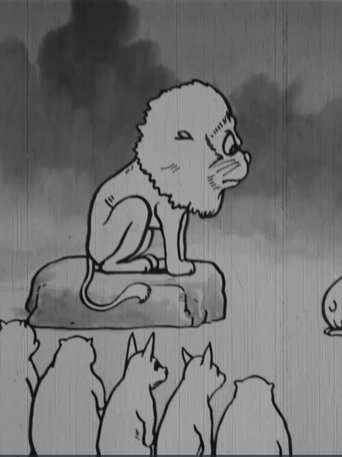
A group of animals take part in Olympic sports.
Cast & crew
More Animation films
View all →

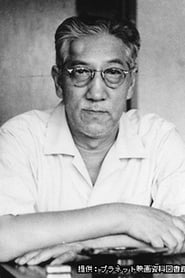
More from Yasuji Murata
View all →
More about this film
About the production
Release date1928
Box officeUnknown - box office tracking for individual animated shorts was not standard practice in 1920s Japan
ProductionMikasa Film Company
Filmed inTokyo, Japan
Created using cut-out animation techniques common in early Japanese anime, with hand-drawn characters and backgrounds. The film was produced during the formative years of Japanese animation, when most works were short subjects shown before feature films. Murata and his team would have worked with limited resources and basic animation equipment, creating each frame by hand on paper before photographing them sequentially.
Themes
CompetitionSportsmanshipAnimal anthropomorphismInternational cooperationPhysical achievement
Themes & topics
animalsOlympicssportscompetitionanimationsilent filmshort filmJapanese animationcut-out animation1920s
Historical background
The Animal Olympics (1928) reached screens through Mikasa Film Company. Exhibitors of the time built early sound programs that mixed shorts, features, and live acts, so a clear premise helped The Animal Olympics travel between cities and exchange markets.
Why this film matters
Archivists and revival programmers still cite The Animal Olympics (1928) when tracing studio habits, casting pools, and the visual rhetoric audiences once took for granted. Even modest surviving prints help map how The Animal Olympics fit beside competing releases of its day.
Making of
The production of 'The Animal Olympics' would have taken place in a small animation studio in Tokyo, with Yasuji Murata leading a team of perhaps 3-5 animators and assistants. The animation process was entirely manual, with each frame drawn by hand on paper, often using charcoal or pencil. The cut-out technique involved creating separate drawings for moving parts of characters and backgrounds, then photographing them in slightly different positions to create the illusion of movement. The film would have been shot on 35mm film using a rostrum camera, with animators working under hot studio lights for long hours. Sound was not incorporated as this was during the silent era, though the film would have been accompanied by live music in theaters and narration by a benshi performer who would provide voices for all the animal characters.
What critics said
Trade coverage around 1928 discussed The Animal Olympics for pacing, clarity, and program fit rather than blockbuster grosses. Later writers value it as evidence of period style and as a reference point beside other films from the same era.
Did you know?
- the production was created during the early years of Japanese animation, predating the establishment of what would later become known as anime
- Director Yasuji Murata was one of the pioneering animators in Japan's early film industry
- The film was released during Japan's Taishō democracy period, a time of cultural openness and Western influence
- 1928 was the year of the Amsterdam Olympics, likely inspiring the Olympic theme of this animated short
- Early Japanese animation like this was heavily influenced by Western cartoons but began developing its own distinct aesthetic
- The film was likely screened in theaters as part of a program with live-action features, a common practice for animated shorts
- Silent films in Japan typically had live narrators called benshi who provided commentary and voices for all characters
- Very few Japanese animated works from the 1920s survive today due to the Great Kantō Earthquake of 1923 and subsequent losses
- Murata was known for his technical innovations in animation, including experimenting with different animation techniques
- The animal characters in the film represent an early example of the anthropomorphic animal characters that would become popular in later Japanese animation
Visual style
The cinematography would have been basic by modern standards, utilizing a fixed camera position typical of early animation. The visual style would feature simple backgrounds with more detailed character animation in the foreground. The cut-out animation technique created a distinctive look with somewhat jerky movement compared to later cel animation. The black and white film stock of the era would have provided high contrast images, and the animation would have been shot at approximately 16-18 frames per second, standard for silent films. The visual composition would emphasize clarity and readability to ensure the action was easily understood by audiences.
Innovations
The film represents the technical capabilities of Japanese animation in 1928, utilizing cut-out animation techniques that were more economical than full cel animation. Murata and his team would have developed methods for creating smooth movement with limited resources, including innovative approaches to character design that allowed for effective animation with fewer drawings. The production demonstrates early mastery of timing and rhythm in animation, crucial for creating engaging silent cartoons. While not technically groundbreaking by international standards, the film shows the adaptation of Western animation techniques to Japanese production constraints and aesthetic preferences.
Music
As a silent film, 'The Animal Olympics' would have had no synchronized soundtrack. In theaters, the film would have been accompanied by live musical performance, typically a pianist or small ensemble playing popular tunes of the era or classical pieces appropriate to the action on screen. The benshi (live narrator) would have provided voices for all characters, sound effects, and explanatory narration, making each screening a unique performance. The choice of music and narration style would have varied by theater and performer, as there was no standardized audio component to the film itself.
Memorable scenes
- The opening sequence introducing the various animal competitors
- The climactic race event where different animals use their unique abilities
- The medal ceremony where victorious animals receive their awards
What audiences thought
The film would have been shown to theater audiences as part of a mixed program, likely appealing to families and children. In the silent era, Japanese audiences experienced films with live musical accompaniment and benshi narration, which would have enhanced the viewing experience. The Olympic theme would have been timely and relatable in 1928, given the international attention to the Amsterdam Games. The animal characters and simple humor would have made the film accessible to all ages. However, specific audience reactions or attendance figures for this particular short are not documented in surviving records.
Film connections
Influenced by
- American silent cartoons (Felix the Cat, early Disney)
- European animation
- Japanese traditional art and folklore
- International Olympic movement
This film influenced
- Later Japanese animated works featuring animal characters
- Sports-themed anime
- Japanese animation of the 1930s
Film restoration
The preservation status of 'The Animal Olympics' is uncertain, as many Japanese animated films from the 1920s are considered lost or exist only in fragmentary form. The Great Kantō Earthquake of 1923 destroyed many film archives, and subsequent losses during World War II further reduced the survival rate of early Japanese cinema. If any copies of the production survive, they would likely be in the archives of the National Film Center of Japan or in private collections. The film may exist only in written descriptions or still photographs if the original nitrate film has deteriorated or been destroyed.
Where to watch
- Currently not commercially available - if surviving prints exist, they would only be accessible through specialized film archives or museum screenings
- May be viewable at the National Film Center of Japan in Tokyo by appointment
- Potentially included in special retrospectives of early Japanese animation at film festivals or cinematheques