Films
4 films
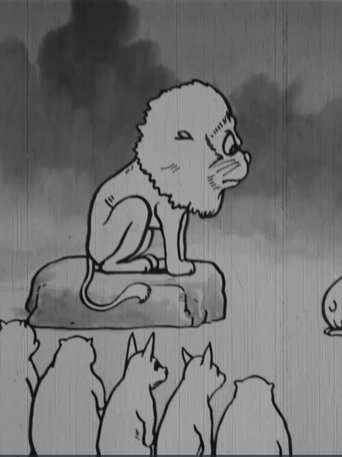
About Yasuji Murata
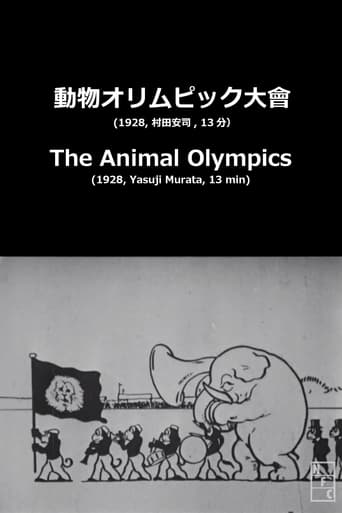
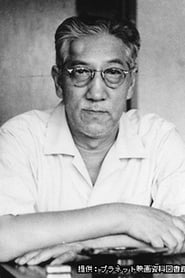
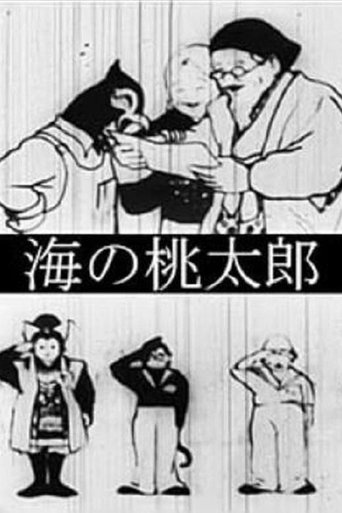
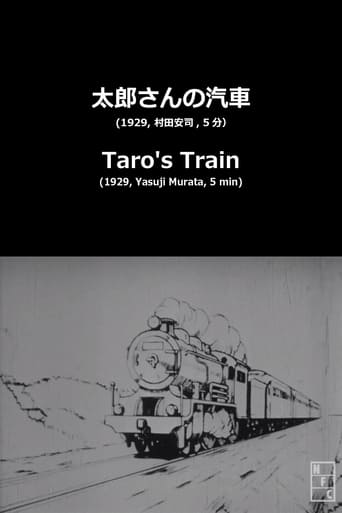
Japanese animation director who worked during the formative years of Japanese animation in the late 1920s and early 1930s. As one of the first generation of Japanese animators, Murata contributed to the development of the nascent anime industry by creating short animated films that often incorporated Japanese folklore and cultural elements. His most notable works include 'The Animal Olympics' (1928), 'Taro's Toy Train' (1929), and 'Momotaro's Underwater Adventure' (1932), which demonstrated his ability to blend traditional Japanese stories with emerging animation techniques. Murata worked during a period when Japanese animation was heavily influenced by Western styles but was beginning to develop its own distinct aesthetic and narrative approaches. His films, like those of his contemporaries, were typically short in length and often shown as part of theater programs alongside live-action films. Although his career was relatively brief and spanned only a few years, Murata's work represents an important chapter in the history of Japanese animation, contributing to the foundation upon which the later anime industry would be built.
The Craft
Behind the Camera
Yasuji Murata's directing style was characteristic of early Japanese animation, blending influences from Western animation with distinctly Japanese cultural elements and storytelling traditions. His work often featured simple, charming narratives that appealed to family audiences and incorporated Japanese folklore characters like Momotaro. Murata's animation techniques were relatively basic by modern standards, as was typical of the era, but demonstrated creativity in movement and character design within the technical limitations of the time.
Milestones
- Directed 'The Animal Olympics' (1928)
- Created 'Taro's Toy Train' (1929)
- Produced 'Momotaro's Underwater Adventure' (1932)
- work in early Japanese animation
- Contributed to the development of anime during its formative years
Best Known For
Must-See Films
Working Relationships
Worked Often With
Studios
Why They Matter
Impact on Culture
Yasuji Murata contributed to the cultural development of Japanese animation during its earliest commercial period. His work, particularly 'Momotaro's Underwater Adventure,' helped establish the practice of adapting traditional Japanese folklore for animated media, a tradition that would continue throughout anime history. Murata's films represent part of the foundation upon which the massive Japanese animation industry would later be built, demonstrating how Japanese creators could adapt Western animation techniques while maintaining cultural authenticity. His work during 1928-1932 places him among the pioneers who helped establish animation as a viable medium for entertainment and cultural expression in Japan.
Lasting Legacy
Yasuji Murata's legacy lies in his contribution to the era of Japanese animation. While he may not be as well-known as later anime directors, his work represents an important chapter in the history of the medium. The films he directed, particularly those incorporating Japanese cultural elements like Momotaro, helped establish patterns of cultural adaptation that would become central to anime's identity. Murata's brief but significant career during 1928-1932 places him among the first generation of Japanese animators who laid the groundwork for what would become one of Japan's most significant cultural exports.
Who They Inspired
As an early animation pioneer, Yasuji Murata influenced subsequent generations of Japanese animators by demonstrating how traditional Japanese stories could be adapted to the animation medium. His work contributed to the development of a uniquely Japanese approach to animation that balanced technical influences from the West with distinctive cultural and artistic elements. The early techniques and storytelling approaches developed by directors like Murata would inform the evolution of anime throughout the 20th century.
Off Screen
Very little specific information is available about Yasuji Murata's personal life, which is common for many early Japanese animation pioneers whose work predated widespread documentation of the industry. Like many animators of his era, he worked during a period when animation was not yet recognized as a major art form or industry in Japan.
Did You Know?
- Yasuji Murata worked during the very early days of Japanese commercial animation
- His film 'Momotaro's Underwater Adventure' was based on the popular Japanese folk tale about Momotaro (Peach Boy)
- The period 1928-1932 when Murata was active was crucial for the development of Japan's animation industry
- Early Japanese animators like Murata often worked with very limited resources and small teams
- His films were typically shown as part of theater programs alongside live-action features
- The animation techniques used in Murata's era were much simpler than what would develop in later decades
- Very few films from this early period of Japanese animation have survived to the present day
- Murata was part of the first generation of Japanese animators who helped establish the industry
- His work predates what most people consider the 'golden age' of anime by several decades
- Early Japanese animation was heavily influenced by American and European cartoons but developed its own distinct characteristics
Frequently Asked Questions
Who was Yasuji Murata?
Japanese animation on YTB.my.
What films is Yasuji Murata best known for?
Titles linked here include The Animal Olympics (1928), Taro's Toy Train (1929).
When was Yasuji Murata active as a director?
Yasuji Murata was active as a director from 1928 to 1932, working during the formative years of Japan's animation industry when the medium was still in its earliest commercial stages.
What was Yasuji Murata's contribution to Japanese animation?
Yasuji Murata contributed to the development of early Japanese animation by creating short films that blended Western animation techniques with Japanese cultural elements and folklore, helping establish patterns that would influence future anime creators.
Why is Yasuji Murata considered important in film history?
Yasuji Murata is considered important in film history as one of the first generation of Japanese animation directors who helped establish the foundation upon which Japan's massive anime industry would later be built, particularly through his adaptation of traditional Japanese stories for the animation medium.