
The Diabolic Tenant
"Furnish an apartment in one afternoon"
Keys: Space play/pause · ←/→ 10s · F fullscreen · M mute · </> speed
About this film
A new tenant furnishes an apartment through impossible visual transformations. Segundo de Chomón's 1909 trick film turns interior decoration into magic.
Cast & crew
More films like this
More Fantasy films
View all →

More from Georges Méliès
View all →
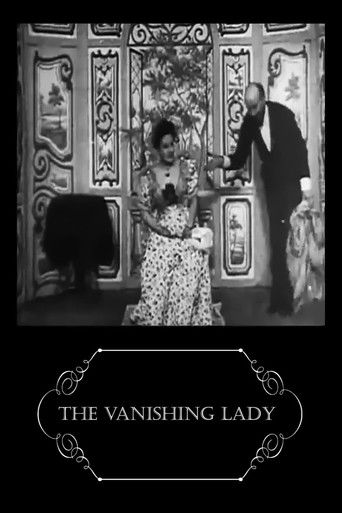
More about this film
About the production
Release date1909
ProductionStar Film Company (Star Films)
Filmed inMéliès Studio, Montreuil-sous-Bois, France
the release was created using Méliès' sophisticated in-camera effects including multiple exposures, substitution splices, and careful matte work. The furniture movements were achieved through stop-motion techniques and stage machinery hidden from view. Like many of Méliès' films, it was shot entirely indoors on painted sets at his glass-walled studio in Montreuil, which allowed maximum control over lighting and effects. The film was hand-colored frame by frame for some release prints, a laborious process that Méliès' studio employed for many of their more important productions.
Themes
Magical transformationDomestic space as fantasy realmThe supernatural in everyday lifeVisual trickery and illusionOrder versus chaos
Themes & topics
Historical background
Released in 1909, The Diabolic Tenant belongs to the nickelodeon era and reflects production norms of its release season.
Why this film matters
The Diabolic Tenant contributes to understanding regional output and audience tastes around 1909.
Making of
The production of 'The Diabolic Tenant' exemplified Georges Méliès' meticulous approach to cinematic magic. The film was created using a combination of in-camera tricks and stage effects that Méliès had perfected over more than a decade of filmmaking. The furniture movements were accomplished through a combination of stop-motion photography, hidden stagehands, and wires, while the appearances and disappearances used substitution splices - Méliès would stop the camera, replace or remove objects, then resume filming. The glass-walled studio in Montreuil provided optimal lighting conditions for these complex effects. Méliès himself performed in the film, as he did in many of his productions, bringing his theatrical background to the screen. The hand-coloring process, when used, involved stencils and meticulous frame-by-frame application of colors by women workers at the Méliès studio. This labor-intensive process was reserved for films Méliès considered particularly important or marketable.
What critics said
Review records for The Diabolic Tenant are typical of 1909: brief for shorts, more sustained for features.
Did you know?
- the release is also known by its French title 'Le Locataire diabolique'
- It was released as Star Film catalog number 1438-1440
- The film features Méliès' mastery of substitution splices, where objects appear to transform or disappear through careful editing
- André Méliès, Georges' son, appears in the film - he frequently acted in his father's productions
- Like many Méliès films from this period, some prints were hand-colored by stencil coloring at his studio
- The film represents one of Méliès' later works before his career decline in the 1910s
- The apartment set was one of Méliès' more elaborate interior constructions, featuring multiple doors and movable elements
- the release demonstrates Méliès' continued fascination with domestic spaces transformed by magic, a recurring theme in his work
- The film was distributed internationally through Méliès' extensive Star Film network
- Some historians consider the release part of Méliès' series of 'magical transformation' films that explored similar themes of impossible physics
Visual style
The cinematography in 'The Diabolic Tenant' exemplifies Georges Méliès' theatrical approach to filmmaking, with static camera positions reminiscent of a theater audience's perspective. The film was shot using a single camera setup, allowing Méliès maximum control over his elaborate special effects. The lighting was bright and even, characteristic of Méliès' glass studio which allowed natural illumination to supplement artificial lighting. The visual style emphasized clarity and visibility of the magical effects, with carefully composed shots that showcased the impossible transformations. The cinematography served the effects rather than pursuing naturalistic representation, with the camera remaining fixed to facilitate the complex substitution splices and multiple exposures. When hand-colored, the film featured vibrant, theatrical colors that enhanced the magical atmosphere rather than attempting realism.
Innovations
'The Diabolic Tenant' features several of Georges Méliès' signature technical innovations that were groundbreaking for their time. The film employs sophisticated substitution splices to create the appearance and disappearance of furniture, requiring precise timing and execution in an era before editing machines existed. Multiple exposure techniques were likely used to create layered effects of objects moving independently. The film demonstrates Méliès' mastery of stop-motion photography for animating furniture movement. The production utilized elaborate stage machinery hidden from the camera to facilitate some of the physical effects. When hand-colored, the film employed the stencil coloring process that Méliès' studio had refined to an industrial level. The film also features Méliès' expertise in creating the illusion of impossible spatial relationships within the confines of his studio sets.
Music
As a silent film from 1909, 'The Diabolic Tenant' had no synchronized soundtrack. During original theatrical presentations, the film would have been accompanied by live music, typically a pianist or small orchestra playing appropriate mood music. The musical accompaniment would have been selected to match the film's magical and comedic elements, likely featuring light, whimsical pieces during the furniture transformations and more dramatic music during moments of surprise. Some venues might have used popular songs of the era or classical pieces that fit the mood. Modern presentations of the film are typically accompanied by newly composed scores or period-appropriate music selected by presenters. The lack of original recorded music means that contemporary viewers experience the film with various musical interpretations depending on the venue and presenter.
Memorable scenes
- The sequence where furniture appears and disappears through the walls, demonstrating Méliès' mastery of substitution splices and creating the illusion of objects passing through solid barriers
- The chaotic finale where multiple pieces of furniture move independently around the room, creating a whirlwind of magical domestic disorder
What audiences thought
Audiences in 1909 would have received 'The Diabolic Tenant' with the same wonder and amusement that characterized reactions to Méliès' other fantasy films. The magical manipulation of furniture and household objects would have provided delightful entertainment for viewers still marveling at cinema's possibilities. The film's domestic setting would have made the magical elements particularly relatable and impressive to contemporary audiences. As with many Méliès films, it likely appealed to both children and adults, offering spectacle and humor in equal measure. The film would have been shown in vaudeville theaters, fairgrounds, and specialized cinema venues as part of mixed programs of short films. Modern audiences viewing the film today often express admiration for its clever effects and historical importance, even if the pacing and style reflect early cinema conventions.
Film connections
Influenced by
- Stage magic and illusion shows
- Theatrical traditions
- Earlier Méliès films exploring similar themes
- Parisian theatrical culture of the Belle Époque
This film influenced
- Later surrealist films featuring animated objects
- Disney's 'The Sorcerer's Apprentice' segment
- Fantasy films featuring magical domestic spaces
- Physical comedy films with impossible physics
Film restoration
The film survives in various archives and collections, though like many Méliès films, some versions may be incomplete or in poor condition. The film has been preserved by film archives including the Cinémathèque Française and other institutions dedicated to early cinema preservation. Some hand-colored versions may exist, though black and white copies are more common. The film has been included in various Méliès retrospectives and DVD collections dedicated to early cinema.
Where to watch
- YouTube (various public domain uploads)
- Flicker Alley DVD collections of Méliès films
- Kino Lorber Blu-ray releases
- Mubi streaming platform during special programming
- Film archives and museum screenings specializing in early cinema
- Internet Archive (public domain versions)