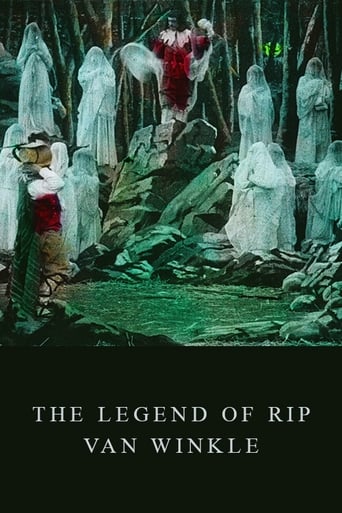
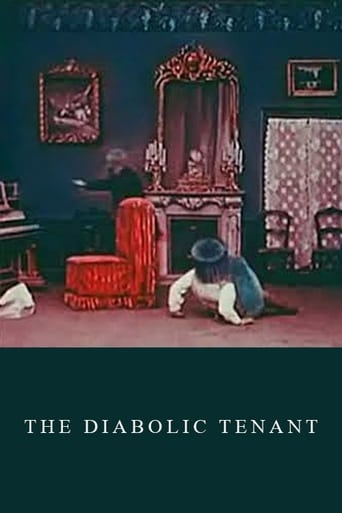
Films
2 films
About André Méliès
Early French film actor who worked during the days of cinema, primarily in the first decade of the 1900s. He was the son of the filmmaker Georges Méliès, often the founding fathers of cinema and a master of early special effects. André appeared in several of his father's productions, taking on acting roles in the magical and fantastical films that made the Méliès name famous worldwide. His brief acting from approximately 1905 to 1909, during which he participated in the family's film production business at Star Film Studio. While his father was the creative genius behind the camera, André contributed to the on-screen magic that characterized early French cinema. His appearances in films like 'Rip's Dream' (1905) and 'The Diabolic Tenant' (1909) showcased the theatrical performance style typical of the era. As with many early film actors, particularly those in supporting roles, detailed records of his life and career remain scarce, reflecting the limited documentation of cinema personnel during this foundational period.
The Craft
On Screen
Theatrical and expressive performance style typical of early silent cinema, emphasizing broad gestures and facial expressions to convey emotion and narrative without dialogue
Milestones
- Appeared in 'Rip's Dream' (1905)
- Acted in 'The Diabolic Tenant' (1909)
- Participated in family's Star Film Studio productions
Best Known For
Iconic Roles
Must-See Films
Working Relationships
Worked Often With
Studios
Why They Matter
Impact on Culture
André Méliès represents the family-based nature of early cinema production, where filmmaking was often a collaborative family affair rather than the industrial enterprise it would later become. His participation in his father's films exemplifies how the Méliès family contributed to the birth of cinema as both an art form and entertainment medium. While not as celebrated as his father, André's work helped realize the magical visions that defined early French cinema and influenced filmmakers worldwide.
Lasting Legacy
As a participant in some of cinema's earliest and most innovative films, André Méliès is part of the foundational history of motion pictures. His appearances in his father's productions contribute to our understanding of how early films were made and the collaborative nature of cinema. The Méliès family name remains synonymous with the birth of cinematic magic and special effects, with André being part of that legacy.
Who They Inspired
While André Méliès himself was not a major influence on later filmmakers, his work as part of the Méliès production team contributed to the development of early cinematic techniques. The films he appeared in helped establish conventions of visual storytelling and special effects that would influence generations of filmmakers. The Méliès family's approach to fantastical cinema set precedents for science fiction and fantasy filmmaking that continue to this day.
Off Screen
André Méliès was born into the Méliès family of French cinema. As the son of Georges Méliès, he grew up surrounded by the birth of cinema and his father's revolutionary film work at their Star Film Studio in Montreuil-sous-Bois. The Méliès family was deeply involved in the film business, with multiple family members contributing to the productions. Like many early film families, they worked collaboratively to create the magical films that would define early cinema.
Did You Know?
- Son of filmmaker Georges Méliès, the pioneer of cinematic special effects
- Appeared in films during the very early days of cinema when films were typically only a few minutes long
- Worked at the family's Star Film Studio in Montreuil-sous-Bois, near Paris
- Participated in the magical and fantastical films that made his father famous
- His acting career was brief, spanning only about four years from 1905 to 1909
- The Méliès family was one of the first film-making families in cinema history
- Early film actors like André often performed multiple roles behind the scenes as well as acting
- The films he appeared in were created before the film industry had established studios in Hollywood
- His father Georges Méliès' films were among the first to use special effects like multiple exposures and substitution splices
Frequently Asked Questions
Who was André Méliès?
Early French film with credits in this catalog. He appeared in several of his father's early silent films during the birth of cinema.
What films is André Méliès best known for?
Titles linked here include Rip's Dream (1905), The Diabolic Tenant (1909).
When was André Méliès born and when did he die?
Specific birth and death dates for André Méliès are not well-documented in historical records, which is common for supporting actors from the very early cinema era. He was active in films between 1905 and 1909.
What was André Méliès' relationship to Georges Méliès?
André Méliès was the son of Georges Méliès, the French filmmaker famous for early special effects and films like 'A Trip to the Moon' (1902). He worked in his father's productions at their family studio.
What was André Méliès' acting style?
André Méliès employed the theatrical, expressive acting style typical of early silent cinema, using broad gestures and facial expressions to convey emotions and story elements in the absence of synchronized sound.
What is André Méliès' legacy in cinema history?
While not as celebrated as his father, André Méliès represents the collaborative, family-based nature of early film production and contributed to the magical films that helped establish cinema as an art form during its years.