The Haunted Curiosity Shop
"Skulls among the antiques"
Keys: Space play/pause · ←/→ 10s · F fullscreen · M mute · </> speed
About this film
Shopkeeper W.R. Booth faces animated skeletons, ghosts, and transforming objects in his curiosity shop in this 1901 British trick short. Booth's stop tricks anticipate later horror-comedy effects.
Cast & crew
More Fantasy films
View all →
More from Walter R. Booth
View all →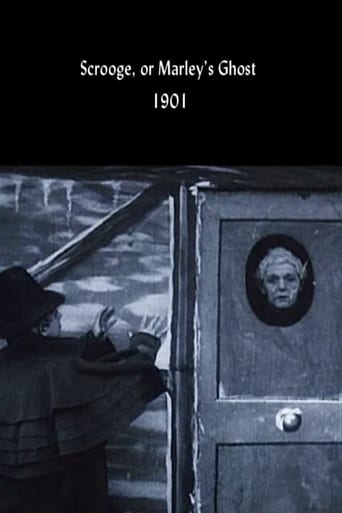
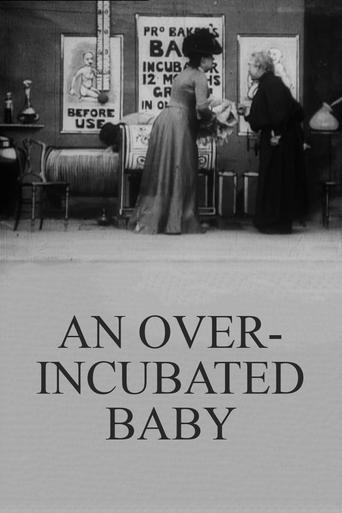
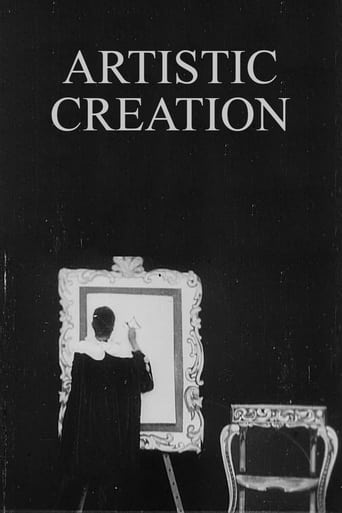
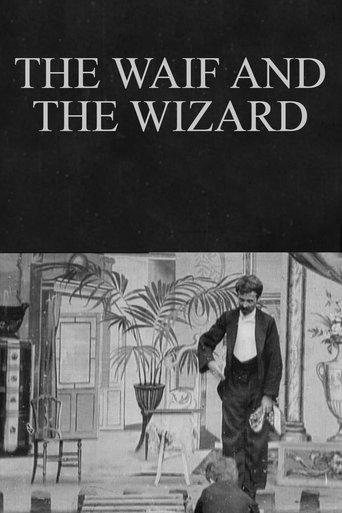
More about this film
About the production
Release date1901
ProductionBritish Mutoscope and Biograph Company, Robert W. Paul
Filmed inLondon, England
was created during the early days of cinema when filmmakers were experimenting with special effects techniques. Walter R. Booth was known for his innovative use of multiple exposures, stop-motion, and other in-camera tricks. The film was likely shot on a simple indoor set with minimal lighting equipment, relying heavily on natural light from windows. The props and curiosities in the shop were likely sourced from local antique shops or created specifically for the production.
Themes
Supernatural horrorThe uncannyTechnology versus traditionThe power of the unknownVictorian spiritualism
Themes & topics
curiosity shophauntingghostssupernaturalspecial effectstrick filmhorrorfantasyproprietorhaunted objects
Historical background
The Haunted Curiosity Shop was influential in British trick cinema; Booth worked as a magician before filming.
Why this film matters
As one of the earliest horror films, 'The Haunted Curiosity Shop' represents a foundational moment in the development of horror cinema. It demonstrates how filmmakers immediately recognized cinema's potential for creating fear and supernatural wonder. The film's use of special effects to create ghostly apparitions and haunted objects established techniques that would influence horror filmmaking for decades. It also reflects the Victorian fascination with spiritualism, the occult, and the supernatural - themes that were popular in literature and theater of the period. The film is historically significant as an example of early British cinema's contribution to the development of visual effects and genre filmmaking, showing that British filmmakers were as innovative as their more famous French counterparts like Méliès.
Making of
Walter R. Booth brought his background as a magician and illusionist to filmmaking, creating some of the most sophisticated special effects of the early 1900s. For 'The Haunted Curiosity Shop,' Booth employed multiple exposure techniques to create ghostly apparitions, stop-motion animation to make objects move mysteriously, and clever editing to produce supernatural transformations. The production would have been extremely challenging given the primitive equipment of the era - cameras were hand-cranked, film stock was slow and required bright lighting, and there were no editing suites. Each special effect had to be created in-camera or through laboratory processes. The actor playing the proprietor (likely Booth himself or a regular collaborator) had to perform with precise timing to match the pre-planned effects. The film was probably shot in just one or two days, as was typical for shorts of this period.
What critics said
Horror and silent-film scholars cite it for effective superimposition and macabre humor in under two minutes.
Did you know?
- Walter R. Booth was a former magician before becoming a filmmaker, which influenced his expertise in creating illusionary effects on screen
- is considered one of the earliest horror films ever made, predating many more famous silent horror classics
- The film was created using the British Mutoscope format, which was larger than standard 35mm film and produced clearer images
- Booth worked closely with Robert W. Paul, one of Britain's earliest film pioneers, on many of his trick films
- The curiosity shop setting allowed for maximum visual variety in the supernatural effects, with numerous objects to animate
- Like many films of this era, it was likely hand-colored frame by frame for special showings, though most surviving copies are black and white
- The film was part of a series of supernatural and trick films Booth created between 1900-1905
- Contemporary audiences were reportedly genuinely frightened by the effects, as cinema was still a novel and mysterious medium
- The film was shot at Paul's Animatograph Works studio in Muswell Hill, London
- This short was often shown as part of variety programs alongside live performances and other short films
Visual style
The cinematography by Walter R. Booth utilized the primitive techniques available in 1901 to maximum effect. The film employed static camera positions typical of the era, with the camera locked down to enable the complex special effects work. Multiple exposure techniques were used to create ghostly apparitions, while stop-motion animation brought inanimate objects to life. The lighting would have been primarily natural light supplemented by arc lamps, creating dramatic shadows that enhanced the supernatural atmosphere. The composition was carefully staged to showcase the curiosity shop's contents while leaving room for the magical effects to occur.
Innovations
The film presents several technical achievements for its time. Booth's innovative use of multiple exposure techniques to create transparent ghostly figures was particularly advanced for 1901. The stop-motion animation of objects moving independently was, predating more famous examples of the technique. The film also demonstrated sophisticated editing techniques for the era, with carefully timed cuts and transitions between effects. These technical innovations helped establish many of the visual effects techniques that would become standard in horror and fantasy cinema.
Music
As a silent film, 'The Haunted Curiosity Shop' had no synchronized soundtrack. During its original theatrical run, it would have been accompanied by live music, typically a piano or small orchestra. The musical accompaniment would have been improvised or selected from standard classical pieces appropriate to the mood - likely dramatic, mysterious compositions that enhanced the supernatural elements. Some theaters might have used sound effects created live, such as thunder sheets or mysterious rattles, to augment the haunting atmosphere.
Famous quotes
As a silent film, there are no spoken quotes, but intertitles may have included phrases like 'The Curiosity Shop at Midnight' or 'The Ghosts Awaken'
Memorable scenes
- The scene where various objects in the shop - including books, skulls, and artifacts - begin floating and moving independently through the air, terrifying the elderly proprietor who tries in vain to control the supernatural chaos
What audiences thought
Early cinema audiences were reportedly astonished and frightened by the film's effects. In an era when moving images were still a novelty, the supernatural apparitions and animated objects seemed genuinely magical and terrifying to viewers. The film was popular enough to be widely distributed and shown in various venues across Britain and internationally. Audience reactions ranged from delight at the clever tricks to genuine fear at the ghostly manifestations. The film's success helped establish the commercial viability of horror and fantasy content in early cinema.
Film connections
Influenced by
- The magic lantern tradition
- Victorian ghost stories
- Stage magic and illusion shows
- Georges Méliès' trick films
- Gothic literature
This film influenced
- The Haunted House (1906)
- The Haunted Castle (1921)
- Later British horror films
- The special effects techniques influenced countless subsequent horror productions
Film restoration
The preservation status of 'The Haunted Curiosity Shop' is uncertain. Many films from this period have been lost due to the unstable nature of early film stock. However, some of Walter R. Booth's works have survived in archives such as the British Film Institute and the Library of Congress. If prints exist, they would likely be in 35mm or 16mm reduction prints made from the original British Mutoscope format. The film may exist in fragmentary form or as part of compilation reels of early cinema.
Where to watch
- British Film Institute collections
- Early cinema archives and museums
- Specialized DVD collections of early British cinema
- Online archives specializing in silent films
- Film history educational platforms