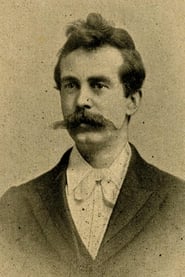
Walter R. Booth
Actor & Director
Born: July 12, 1869 in Worcester, England Died: 1938 Active: 1899-1910 Birth Name: Walter Robert Booth
Films
12 films
An Over-Incubated Baby
1901
Artistic Creation
1901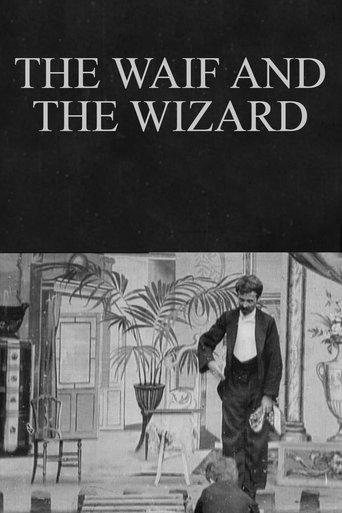
The Waif and the Wizard
1901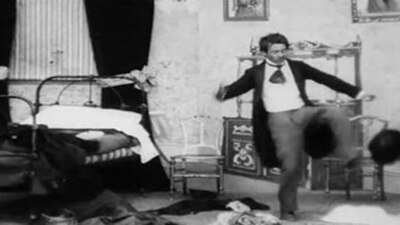
Undressing Extraordinary
1901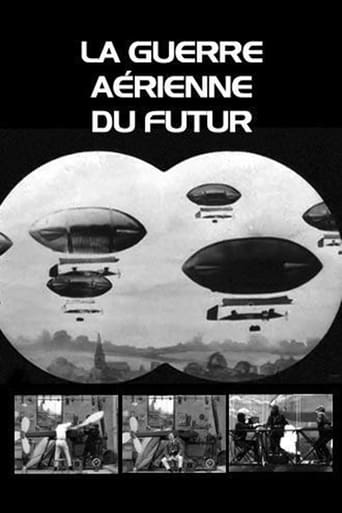
The Airship Destroyer
1909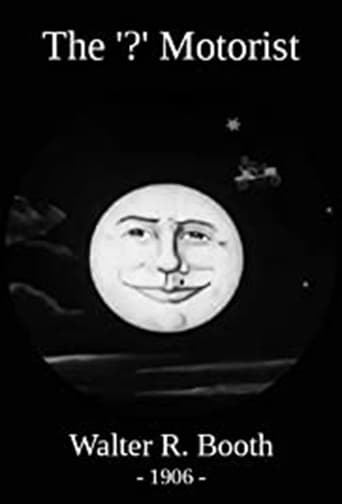
The '?' Motorist
1906
The Magic Sword
1901
A Railway Collision
1900No Poster
Willie's Magic Wand
1907
The Haunted Curiosity Shop
1901
Upside Down; or, The Human Flies
1899About Walter R. Booth
Walter Robert Booth — British filmmaker and magician who became directors of the early British silent film era. Beginning his career as a stage magician at London's Egyptian Hall, Booth transitioned to filmmaking in the late 1890s when he joined Robert W. Paul's production company. Over the next decade, he directed over 100 short films, establishing himself excelled in trick films and special effects, often compared to his French contemporary Georges Méliès. Booth's films were known for their inventive use of multiple exposure, stop-motion techniques, and elaborate visual gags that pushed the boundaries of early cinema. His most productive period was between 1899 and 1906, during which he created some of the most technically sophisticated and entertaining films of the early 1900s. After leaving Paul's company in 1906, Booth continued making films independently but gradually reduced his output before retiring from the industry around 1910. His work represents a crucial link between Victorian theatrical magic and the emerging art of cinema, showcasing how stage techniques were adapted for the new medium of film.
The Craft
On Screen
As an actor in his own films, Booth adopted the exaggerated, theatrical style common in early cinema, using broad gestures and facial expressions to convey emotion and comedy to silent audiences. His performances were primarily in service of his visual effects and trick films, often playing the magician or inventor character who would demonstrate the film's special effects.
Behind the Camera
Booth's directing style was characterized by elaborate visual effects, inventive camera tricks, and a playful approach to fantasy and comedy. He frequently employed multiple exposure, superimposition, and stop-motion techniques to create magical transformations and impossible scenarios. His films often featured themes of scientific invention gone awry, supernatural occurrences, and surreal comedy, reflecting his background as a magician and showman.
Milestones
- Pioneered special effects techniques in early British cinema
- Directed over 100 short films during the silent era
- Created the first British film adaptation of Dickens' 'A Christmas Carol'
- Transitioned from stage magician to successful film director
- Worked for Robert W. Paul's influential production company
- Developed innovative multiple exposure and stop-motion techniques
Best Known For
Iconic Roles
Must-See Films
Accolades
Special Recognition
- Recognized as a pioneer of British cinema by film historians
- His films preserved in the BFI National Archive
- Featured in retrospective exhibitions on early cinema
Working Relationships
Worked Often With
Studios
Why They Matter
Impact on Culture
Walter R. Booth played a crucial role in establishing the British film industry's reputation for technical innovation and visual creativity during cinema's formative years. His films demonstrated that British cinema could compete with the more celebrated French productions of Georges Méliès, helping to develop a distinctive British approach to fantasy and special effects filmmaking. Booth's adaptation of 'A Christmas Carol' in 1901 marked one of the earliest examples of literary adaptation in cinema, setting a precedent for the countless Dickens adaptations that would follow. His work in trick films and special effects helped establish many techniques that would become standard in cinematic storytelling, from multiple exposure to stop-motion animation.
Lasting Legacy
Walter R. Booth's legacy lies in his contributions to early cinema's technical and artistic development. While less remembered than some of his contemporaries, his films are studied by film historians as examples of early special effects mastery and creative storytelling. His work represents a crucial bridge between Victorian theatrical traditions and modern cinematic techniques, showing how stage magic was adapted for the new medium of film. The preservation of his films in archives like the BFI National Archive ensures that future generations can study and appreciate his innovative approach to filmmaking. His influence can be seen in the development of British fantasy cinema and the continuing tradition of visual effects innovation in British filmmaking.
Who They Inspired
Booth influenced the development of special effects techniques that would become fundamental to cinema, particularly in the fantasy and science fiction genres. His work with multiple exposure and stop-motion prefigured later developments in animation and visual effects. British filmmakers who followed in his footsteps, including those at the early Brighton School, built upon his technical innovations. His approach to adapting literary works for film helped establish conventions that would influence countless future adaptations. The playful, inventive spirit of his trick films can be seen echoed in later British comedy and fantasy cinema.
Off Screen
Walter R. Booth maintained a relatively private personal life, with most documentation focusing on his professional achievements. He began his career in entertainment as a magician, performing at various venues including the famous Egyptian Hall in London, which was known as England's Home of Mystery. His background in magic and theatrical performance heavily influenced his filmmaking style and approach to visual effects. After retiring from filmmaking around 1910, he largely disappeared from public records, though he lived until 1938.
Education
Self-taught in magic and early filmmaking techniques; no formal film education available during this period
Family
- Unknown - limited personal documentation from the era
Did You Know?
- Began his career as a stage magician before transitioning to film
- His film 'Scrooge' was the first British adaptation of Dickens' work
- Used many of the same special effects techniques as Georges Méliès but developed them independently
- His film 'How It Feels to Be Run Over' was one of the first films to use a subjective camera perspective
- Worked during the same period as the Lumière brothers and Georges Méliès
- Directed over 100 films in a career spanning just over a decade
- His film 'The '?' Motorist' featured early examples of surreal comedy in cinema
- Many of his films were only 1-2 minutes long, typical of the era
- His background in magic heavily influenced his filmic approach to visual effects
- Retired from filmmaking just as the industry was transitioning to longer narrative films
In Their Own Words
No documented quotes survive from Walter R. Booth, as was common for filmmakers of his era who rarely gave interviews or wrote about their work
Frequently Asked Questions
Who was Walter R. Booth?
British filmmaker and former magician who directed over 100 short films during the early silent era. He was known for his innovative special effects and trick films, working primarily for Robert W. Paul's production company and establishing himself as one of Britain's most important early film directors.
What films is Walter R. Booth best known for?
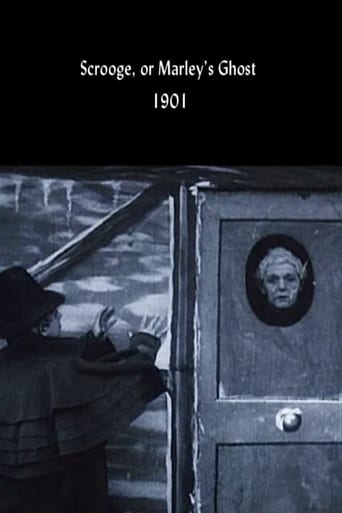
Titles linked here include Scrooge; or Marley's Ghost (1901), The '?' Motorist (1906).
When was Walter R. Booth born and when did he die?
Born July 12, 1869; died 1938.
What awards did Walter R. Booth win?
Walter R. Booth worked during the very early days of cinema before formal awards systems were established. While he didn't receive contemporary awards, he is now recognized by film historians as a pioneer of British cinema and his films are preserved in national archives as important cultural artifacts.
What was Walter R. Booth's directing style?
Booth's directing style was characterized by elaborate visual effects, inventive camera tricks, and a playful approach to fantasy and comedy. He frequently employed multiple exposure, superimposition, and stop-motion techniques, drawing on his background as a magician to create films filled with magical transformations and impossible scenarios.