The '?' Motorist
"magical glowing white motorcar ignores policemen, drives up"
Keys: Space play/pause · ←/→ 10s · F fullscreen · M mute · </> speed
About this film
A magical glowing white motorcar ignores policemen, drives up buildings, flies through outer space, and can transform into a horse and carriage.
Cast & crew
More films like this
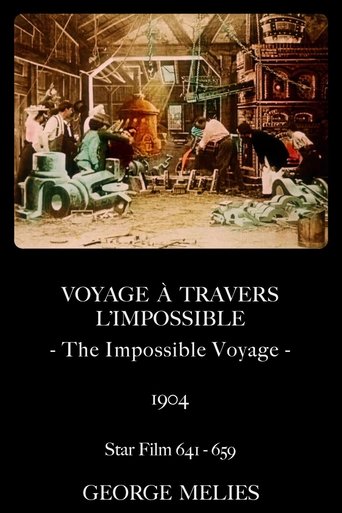
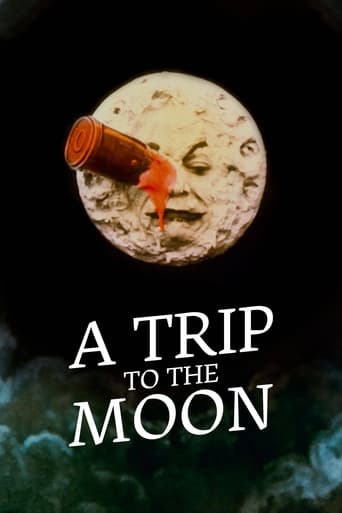
More Science Fiction films
View all →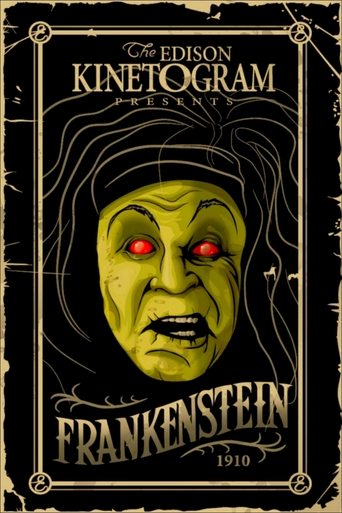

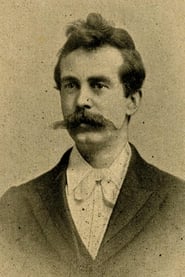
More from Walter R. Booth
View all →
More about this film
About the production
Release dateFebruary 1906
Box officeUnknown - box office tracking was not standard practice in 1906
ProductionRobert W. Paul's Animatograph Works
Filmed inLondon, England - likely filmed at Paul's studio in Muswell Hill
This was one of Walter R. Booth's most ambitious special effects films, utilizing multiple exposure techniques, matte photography, and innovative camera tricks. The transformation sequence required careful frame-by-frame manipulation, and the space sequences were among the earliest depictions of space travel in cinema. The picture was shot on 35mm film and likely completed in just a few days, as was typical for productions of this length in 1906.
Themes
Technological rebellionDefiance of authorityFreedom and mobilityThe magical possibilities of new technologyTransformation and adaptation
Themes & topics
automobilemagicspace traveltransformationpolice chasespecial effectsfantasyscience fictioncomedyrebellionimpossible physics
Historical background
Produced The '?' Motorist reflects Robert W. Paul's Animatograph Works's release strategy for United Kingdom markets at a moment when cinema technology and taste were shifting quickly.
Why this film matters
Programmers and historians revisit The '?' Motorist (1906) because its story—a magical glowing white motorcar ignores policemen, drives up buildings, flies through outer space, and can transform into a horse and carriage—illustrates popular narrative habits and production norms of the period.
Making of
Walter R. Booth, drawing from his background as a magician and illusionist, created during his most productive period with Robert W. Paul's company. The production team built elaborate sets that could be manipulated for the various impossible shots. The famous building-climbing sequence required the construction of a tilted set with the camera mounted at an angle to create the illusion of vertical movement. The space scenes were filmed using painted backdrops and careful lighting effects. The transformation sequence was particularly challenging, requiring multiple exposures and precise timing. Booth worked closely with his cinematographer to ensure the special effects would be convincing to 1906 audiences, who were still amazed by basic film tricks. the picture's success led to Booth being considered one of the pioneers of British fantasy cinema.
What critics said
English-language trade reviews of The '?' Motorist are limited for 1906. Where notices survive, they stress pacing and photographic clarity; later criticism values the title as archival evidence of studio style.
Did you know?
- The question mark in the title was intentionally mysterious, reflecting the picture's theme of the unknown and impossible
- is considered one of the earliest examples of science fiction comedy in cinema history
- Director Walter R. Booth was a former magician who brought his knowledge of illusion to filmmaking
- the picture's special effects were created using in-camera techniques rather than post-production, as editing technology was primitive
- The car driving up the building was achieved by tilting the camera and having actors walk on a floor painted to look like a building facade
- This was one of the last films Booth made for Robert Paul before establishing his own production company
- The space sequences predate Georges Méliès' famous space films by several years
- the picture was distributed internationally and was particularly popular in the United States
- The transformation from car to horse and carriage was accomplished through stop-motion photography
- Only a few prints of the picture are known to survive, making it a rare piece of early cinema
Visual style
The cinematography by an uncredited cameraman (likely one of Robert Paul's regular technicians) employed innovative techniques for the time. Multiple exposure was used to create the ghostly appearance of the magical car. Forced perspective and clever set design achieved the illusion of the car climbing buildings. The space sequences utilized painted backdrops and careful lighting to create otherworldly atmospheres. The camera work was relatively static, as was typical for 1906, but the compositions were carefully planned to maximize the impact of the special effects. the picture used jump cuts and substitution splices to create magical transformations. The cinematography successfully created a sense of wonder and impossibility that captivated early cinema audiences.
Innovations
the picture showcased several groundbreaking special effects techniques for its time. The building-climbing sequence demonstrated sophisticated use of forced perspective and set design. The space scenes featured some of the earliest examples of matte photography in British cinema. The transformation from car to horse and carriage utilized stop-motion animation techniques that were highly innovative for 1906. the picture also employed multiple exposure photography to create ghostly effects and impossible movements. The seamless integration of these different techniques into a coherent narrative was particularly impressive for the period. These technical achievements helped establish Walter R. Booth as one of the pioneers of special effects cinema and influenced many filmmakers who followed.
Music
As a silent film, 'The '?' Motorist' would have been accompanied by live music during its theatrical run. The typical accompaniment would have been a pianist or small orchestra playing popular tunes of the era or improvised music that matched the on-screen action. For the comedic sequences, lively ragtime or popular music hall tunes would have been appropriate, while the space scenes might have featured more mysterious or dramatic musical passages. No original score was composed for the picture, as was standard practice for productions of this period. Modern screenings of the picture are often accompanied by newly composed scores or period-appropriate music to recreate the original viewing experience.
Famous quotes
(Intertitle) The '?' Motorist - A Fantastical Comedy
(Intertitle) When the police cannot catch you...
(Intertitle)...try the heavens!
(Intertitle) A journey beyond imagination
Memorable scenes
- The iconic sequence where the white motorcar drives vertically up the side of a building, defying gravity and police pursuit
- The space journey sequence showing the car flying among stars and planets, one of cinema's earliest space travel depictions
- The magical transformation scene where the automobile seamlessly changes into a horse and carriage
- The opening chase sequence where the motorist repeatedly evades police officers through impossible maneuvers
What audiences thought
the picture was reportedly very popular with audiences of its time, who were amazed by the seemingly impossible special effects. Contemporary accounts suggest viewers were particularly impressed by the car's ability to drive up buildings and fly through space. the picture's humor and spectacle made it a favorite in both British and American theaters. The transformation sequence often elicited gasps and applause from audiences unfamiliar with such cinematic tricks. the picture's success led to it being booked for extended runs in many venues and contributed to the growing popularity of fantasy films in the early 1900s. Audience reactions helped establish the commercial viability of more complex special effects films, encouraging producers to invest in increasingly ambitious productions.
Film connections
Influenced by
- Georges Méliès' fantasy films
- The tradition of stage magic and illusion
- Early trick films by the Lumière brothers
- Music hall comedy traditions
- Contemporary fascination with automobiles and technology
This film influenced
- Later British fantasy and science fiction films
- Early American comedy shorts featuring cars
- Transformation sequences in later fantasy films
- Space-themed films of the 1910s and 1920s
- The development of special effects techniques in cinema
Film restoration
the picture is partially preserved with surviving copies held at the British Film Institute National Archive and other film archives. While not completely intact, enough of the picture survives to convey its complete narrative and showcase its special effects. The BFI has undertaken restoration work on available elements, though some degradation is evident due to the age of the nitrate film stock. The surviving prints provide valuable documentation of early British cinema and special effects techniques. Digital restoration efforts have made the picture more accessible for modern viewing while preserving its historical character.
Where to watch
- British Film Institute's streaming service BFI Player
- YouTube (through official film archive channels)
- Various DVD compilations of early cinema and silent films
- Film archive screenings and special events
- Educational film collections and university libraries