The Magic Sword
"Ancient palace appear young Knight"
Keys: Space play/pause · ←/→ 10s · F fullscreen · M mute · </> speed
About this film
On the roof of an ancient palace appear a young Knight and his lady. While they are making love an ugly old witch appears and is rather troublesome. The Knight commands her to leave, and when he is about to force her away she sits on her broom and rises to the moon. After disappearing she causes various hob-goblins to haunt the pair, the last of them stealing away the lady while the Knight's back is turned. The Knight, frantic with grief, is suddenly confronted by a Fairy, who presents him with a magical sword, and tells him that he can use it to regain the young woman.
Cast & crew
More films like this
More Fantasy films
View all →

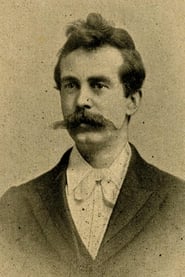
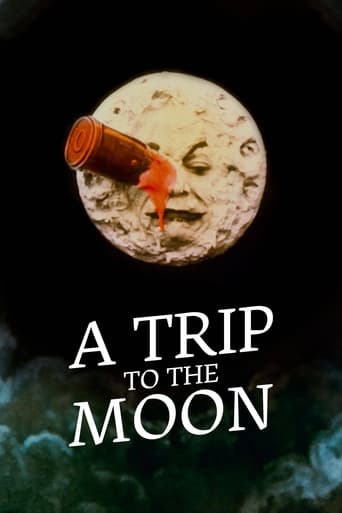
More from Walter R. Booth
View all →
More about this film
About the production
Release date1901
ProductionBritish Mutoscope and Biograph Company
Filmed inLondon, England
The Magic Sword was created during the pioneering era of British cinema when filmmakers were experimenting with special effects and fantasy narratives. The film utilized multiple exposure techniques and stop-motion effects to create the magical elements, including the witch's ascent to the moon and the appearance of supernatural beings. Walter R. Booth, a former magician, brought his knowledge of illusion and trick photography to the production, creating seamless transitions between reality and fantasy that were groundbreaking for the time.
Themes
Love and devotionGood versus evilMagic and supernatural interventionChivalry and heroismTransformation and metamorphosis
Themes & topics
Historical background
Contemporary records classify The Magic Sword (1901) as 1901 film by walter r. booth, placing it within the earliest years of projected motion pictures.
Why this film matters
The Magic Sword (1901) helps trace genre evolution, performer careers, and the material conditions of silent exhibition.
Making of
The Magic Sword was created during a revolutionary period in cinema when filmmakers were discovering the magical possibilities of the medium. Walter R. Booth, having previously worked as a stage magician, brought his expertise in illusion to the film industry, pioneering techniques that would become staples of fantasy cinema. The production involved elaborate set constructions, including the palace roof scene, which was built on an elevated platform to facilitate the special effects. The supernatural elements were achieved through painstaking frame-by-frame manipulation, with the witch's disappearance and the hob-goblins' appearances requiring multiple exposures and careful masking. The film's magical sword prop was specially constructed with reflective materials to catch the light and appear otherworldly on camera. Booth worked closely with cinematographers to perfect the timing of each effect, often requiring dozens of takes to achieve the desired supernatural appearances. The production team experimented with various lighting techniques to create the ethereal atmosphere, using colored filters and backlighting to distinguish between the natural and supernatural elements of the story.
What critics said
Retrospective notes on The Magic Sword emphasize its value as a silent-era document rather than blockbuster reception.
Did you know?
- Director Walter R. Booth was originally a magician and illusionist before entering the film industry, which heavily influenced his innovative use of special effects
- The Magic Sword is one of the earliest examples of British fantasy cinema, predating many of Georges Méliès' more famous works
- The film was shot on 68mm film stock, which was unusually large for the time and allowed for greater detail in the visual effects
- The witch's broomstick ascent to the moon was achieved using a combination of matte painting and multiple exposure techniques
- Only a single copy of the film is known to survive today, preserved in the British Film Institute's archive
- The film was originally part of a longer program of short films that would be shown continuously in music halls and early cinemas
- The special effects in The Magic Sword were so advanced for their time that they were studied by other early filmmakers as examples of what could be achieved with the medium
- The film's runtime of approximately 2 minutes was typical for the period, when most films were short subjects rather than feature-length presentations
- The Fairy character was played by a male actor in drag, which was common practice in early cinema when female performers were less readily available
- The film's success led to Booth creating several other fantasy films with similar themes and techniques throughout the early 1900s
Visual style
The cinematography of The Magic Sword employed groundbreaking techniques for its time, utilizing multiple exposure photography to create the supernatural effects that were central to its fantasy narrative. The film was shot on 68mm film stock, which provided exceptional image quality and detail for the period, allowing the special effects to appear more convincing to audiences. The camera work included careful framing to emphasize the contrast between the natural and supernatural elements, with the palace roof setting providing a clear delineation between reality and magic. Lighting techniques were innovative for the time, using backlighting and colored filters to create ethereal effects for the Fairy character and supernatural beings. The cinematographer worked closely with Booth to time the multiple exposures precisely, ensuring that the magical appearances and disappearances appeared seamless and believable. The film also utilized what were then advanced matte painting techniques for the moon sequence, combining live action with painted backgrounds to create the illusion of the witch's ascent to the lunar surface.
Innovations
The Magic Sword showcased several technical innovations that were groundbreaking for early cinema. The film's most significant achievement was its sophisticated use of multiple exposure photography to create supernatural effects, allowing characters to appear and disappear magically and enabling the witch's ascent to the moon. The production also employed early stop-motion techniques for the hob-goblin sequences, requiring careful frame-by-frame manipulation of the performers. The film utilized matte painting techniques to create the illusion of the moon setting, combining live action with painted backgrounds in a way that was advanced for the period. The special effects team developed new methods for creating the magical sword's appearance, using reflective materials and careful lighting to make it seem otherworldly. The film also demonstrated innovative editing techniques, with smooth transitions between reality and fantasy that helped maintain narrative coherence despite the magical elements. These technical achievements represented significant steps forward in the development of cinematic special effects and influenced many subsequent fantasy films.
Music
As a silent film from 1901, The Magic Sword originally had no recorded soundtrack. During its initial exhibition, the film would have been accompanied by live musical performance, typically a pianist or small orchestra in the music hall or cinema setting. The musical accompaniment would have been improvised or selected from existing classical pieces, with dramatic and romantic themes chosen to match the film's fantasy narrative. The supernatural elements would likely have been emphasized with mysterious or dramatic musical cues, while the romantic scenes between the Knight and his lady would have been accompanied by more tender melodies. In modern screenings of restored silent films, contemporary musicians often create new scores that reflect both the historical period of the film and modern sensibilities. The lack of original recorded music means that any modern soundtrack is an interpretation rather than a restoration of the original accompaniment.
Famous quotes
Take this magical sword, for with it you shall overcome all obstacles and rescue your beloved from the witch's dark spell." - The Fairy
Begone, foul witch! You shall not disturb our moment of love!" - The Knight
Memorable scenes
- The witch's dramatic ascent to the moon on her broomstick, achieved through innovative multiple exposure techniques that created a seamless supernatural effect
- The sudden appearance of the Fairy before the grieving Knight, with ethereal lighting and magical transformation effects that captivated early 20th-century audiences
- The climactic moment when the Knight receives the magical sword, with the weapon glowing with otherworldly light through carefully crafted lighting and special effects
What audiences thought
Audiences in 1901 were reportedly fascinated and delighted by The Magic Sword's magical effects and fantasy narrative. The film's supernatural elements, particularly the witch's ascent to the moon and the appearance of hob-goblins, generated excitement and wonder among viewers who had rarely seen such elaborate visual trickery in motion pictures. Contemporary accounts suggest that the film was popular in music halls and early cinemas, where it was often included in programs of multiple short films. The fantastical story provided welcome escapism for audiences of the Edwardian era, who were still marveling at the possibilities of the new medium of cinema. The film's romantic elements also appealed to the sensibilities of the time, with the knight's quest to rescue his beloved resonating with traditional chivalric ideals. Modern audiences viewing the film in retrospectives and archival screenings often express admiration for its technical achievements and historical significance, even as they recognize the vast differences between early 20th-century and contemporary filmmaking.
Film connections
Influenced by
- Stage magic and illusion shows
- Victorian fairy tales
- Arthurian legends
- Gothic literature
- Shakespearean romance
- Opera and theatrical spectacle
This film influenced
- Georges Méliès' fantasy films
- Early Disney animated shorts
- Ray Harryhausen's stop-motion fantasies
- The Lord of the Rings adaptations
- Harry Potter film series
Film restoration
The Magic Sword is partially preserved with a single known surviving copy held in the British Film Institute's National Archive. The film has undergone digital restoration to preserve what remains of this historically significant work. While some deterioration is evident due to the age of the film stock, the restoration has managed to maintain the clarity of the special effects that made the film notable. The preservation status is considered fragile but stable, with ongoing efforts to maintain the film for future generations of film historians and enthusiasts.
Where to watch
- British Film Institute's streaming platform BFI Player
- Various public domain film archives
- Specialized early cinema collections and film festivals
- Academic film studies programs and university archives
- Museum screenings dedicated to early cinema history