Upside Down; or, The Human Flies
"Magician and ruin"
Keys: Space play/pause · ←/→ 10s · F fullscreen · M mute · </> speed
About this film
A magician performs tricks. First with a top hat, then with his audience.
Cast & crew
More films like this
More Fantasy films
View all →

More from Walter R. Booth
View all →
More about this film
About the production
Release dateMarch 1899
ProductionRobert W. Paul's Animatograph Works
Filmed inLondon, England
was created using innovative camera techniques and in-camera effects. Walter R. Booth employed the use of a rotating camera or set to create the illusion of people walking upside down. The film was shot in a single continuous take with carefully choreographed movements to maintain the illusion. The production utilized the studio space at Paul's Animatograph Works, which was one of the first film studios in Britain.
Themes
Magic and illusionDefying natural lawsTransformationWonder and amazementThe power of cinema to create impossible worlds
Themes & topics
magiciantricksupside downillusionaudiencespecial effectsgravity defiance
Historical background
Made in its country of production around 1899, Upside Down; or, The Human Flies belongs to the first decade of projected film. Its story of a magician performs tricks spoke to audiences of the day through familiar genres and topical settings.
Why this film matters
Archivists and historians still cite Upside Down; or, The Human Flies when tracing how the first decade of projected film filmmakers staged magician and performs on screen.
Making of
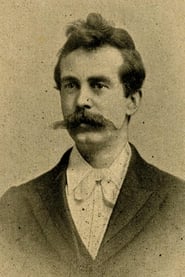
Walter R. Booth brought his background as a stage magician to this early film creation. Working at Robert W. Paul's studio in London, Booth experimented with the new medium of cinema to create illusions that were impossible on the stage. The production involved careful planning of camera angles and actor movements to maintain the upside-down illusion throughout the sequence. The actors had to perform their movements in reverse or on specially constructed sets to create the effect when the camera was inverted. The film was shot on 35mm film using Paul's own cameras and projectors, as he was both a filmmaker and equipment manufacturer. The studio setting allowed for controlled lighting and the construction of any necessary props or sets needed for the trick effects.
What critics said
Reviews from 1899 weighed Upside Down; or, The Human Flies on pacing, performance, and novelty. Later criticism reads its emphasis on magician, performs, tricks through modern standards of craft and representation.
Did you know?
- This is one of the earliest examples of a trick film using camera manipulation to create impossible illusions
- Walter R. Booth was a former magician before becoming a filmmaker, bringing his stage experience to cinema
- The film was created just four years after the first public film screenings, making it part of cinema's pioneering era
- The 'upside down' effect was achieved by either rotating the camera 180 degrees or having the actors perform on a rotating platform
- Robert W. Paul was one of Britain's earliest film pioneers and his company produced many of the first British films
- The film was originally exhibited on Paul's Animatograph projector, which he invented and manufactured
- At only 60 seconds, this was typical of the length of films during this early period of cinema
- Booth would go on to become one of Britain's most important early fantasy and science fiction directors
- The film demonstrates the early fascination with defying natural laws that would become a staple of fantasy cinema
- This type of trick film was extremely popular with early cinema audiences who had never seen such visual illusions before
Visual style
The cinematography in was innovative for its time, utilizing camera manipulation to create the upside-down effect. The film was likely shot using a fixed camera position with either the entire camera rig rotated 180 degrees or the action performed on a rotating platform. The lighting would have been natural or simple studio lighting, as artificial lighting technology was still primitive. The composition was carefully planned to maintain the illusion throughout the sequence. The black and white imagery was typical of the era, with the contrast helping to emphasize the impossible nature of the upside-down figures.
Innovations
The film's primary technical achievement was the successful creation of the upside-down illusion using early camera techniques. This represented an early use of camera manipulation for special effects, predating more sophisticated techniques. The film demonstrated an understanding of how camera positioning could alter the audience's perception of reality. The smooth execution of the effect showed the growing technical proficiency of early filmmakers in controlling the medium for artistic purposes.
Music
As a silent film from 1899, there was no synchronized soundtrack. The film would have been accompanied by live music during exhibition, typically a pianist or small orchestra in the venue. The musical accompaniment would have been chosen to match the magical and whimsical nature of the on-screen action. Some venues might have used popular tunes of the era or classical pieces that suited the mood of wonder and illusion.
Memorable scenes
- The climactic sequence where the entire audience appears to be walking upside down on the ceiling, creating a surreal and impossible vision that amazed early cinema viewers
What audiences thought
Early cinema audiences were reportedly delighted and amazed by the film's impossible illusions. The novelty of seeing people walk upside down was a significant draw, as audiences of the era had never experienced such visual trickery before. The film was popular in the variety theater circuit where it was typically shown alongside other short films and live performances. Audience reactions were characterized by wonder and disbelief at the magical possibilities of the new medium of cinema.
Film connections
Influenced by
- Stage magic traditions
- Georges Méliès' trick films
- Victorian fascination with spiritualism and the supernatural
This film influenced
- Later trick films by Walter R. Booth
- British fantasy cinema of the early 1900s
- Physical comedy films using similar inversion techniques
Film restoration
The film is preserved in the BFI National Archive and other film archives. It has been digitized and is available for study and viewing through various archival channels. While some deterioration may exist due to the film's age and the nitrate stock it was likely shot on, efforts have been made to preserve this important early work of British cinema.
Where to watch
- British Film Institute's online collection
- Various early cinema compilation DVDs
- Academic film archives and libraries
- Some public domain film websites