The Landing of Savage South Africa at Southampton
"Zulu performers land at Southampton"
Keys: Space play/pause · ←/→ 10s · F fullscreen · M mute · </> speed
About this film
Zulu performers of the 'Savage South Africa' troupe disembark at Southampton in 1899. A colonial exhibition record.
Cast & crew
More films like this
More Documentary films
View all →
More from William K.L. Dickson
View all →

More about this film
About the production
Release dateSeptember 1899
ProductionBritish Mutoscope and Biograph Company
Filmed inSouthampton Docks, Southampton, England
Filmed on 68mm film stock using the Biograph camera, which produced unusually large and detailed images for the era. The film was shot outdoors at the actual docks, requiring careful coordination with the ship's arrival schedule. William K.L. Dickson, who had previously worked with Thomas Edison and helped develop early motion picture technology, utilized the massive Biograph camera which weighed nearly 500 pounds and required special mounting equipment. The filming captured genuine reactions from both the performers and the dock workers witnessing the arrival.
Themes
Colonial representationEthnographic documentationCultural spectacleImperial gazeOtherness
Themes & topics
ZuluSouth AfricaDocksArrivalTribal attireDocumentarySilent film1890sBlack and whiteEthnographicColonialism
Historical background
Archival records place The Landing of Savage South Africa at Southampton in 1899, a year when cinema's first decade shaped what theaters booked.
Why this film matters
Retrospectives include The Landing of Savage South Africa at Southampton when mapping craft and subject matter from cinema's first decade.
Making of
The production of the release required careful coordination between the British Mutoscope and Biograph Company and the organizers of the 'Savage South Africa' show. William K.L. Dickson and his crew had to position their massive Biograph camera at the docks in advance of the ship's arrival. The filming presented unique challenges as it required capturing the performers as they disembarked and organized themselves on the dock. The camera's limited film capacity meant that Dickson had to carefully choose which moments to capture. The Zulu performers, many of whom had never seen a motion picture camera before, likely had mixed reactions to being filmed. The production took place during the height of the Second Boer War, which added political tension to the spectacle of South Africans performing in Britain.
What critics said
Critics revisiting The Landing of Savage South Africa at Southampton emphasize performative and technical choices visible in surviving prints.
Did you know?
- the release is one of the earliest examples of documentary footage capturing the arrival of an ethnographic show in Britain
- The 'Savage South Africa' show was especially popular entertainment spectacles of the Victorian era, attracting millions of viewers
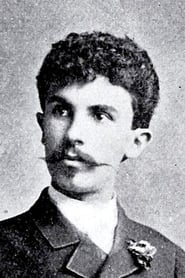
- William K.L. Dickson was a Scottish inventor who played a crucial role in the development of motion pictures, having worked with Thomas Edison at his Black Maria studio
- The film was shot on 68mm film, which was much larger than the standard 35mm that would later become industry standard
- The Zulu performers were reportedly paid £3 per month plus board and lodging, while Fillis earned thousands from the show
- This footage is considered extremely valuable for anthropological and historical research, providing rare visual documentation of Zulu cultural practices
- The Biograph camera used could only film for about 30 seconds at a time, which explains the film's brief duration
- Frank Fillis was a famous showman who previously managed the famous Barnum and Bailey Circus before creating his South Africa spectacle
- The troupe included not only Zulu performers but also members of other South African ethnic groups
- the release survives today in the BFI National Archive, making it one of the rare surviving examples of Dickson's British work
Visual style
The cinematography utilizes the distinctive characteristics of the Biograph system, which produced exceptionally sharp and detailed images due to its large 68mm film format. The camera was positioned to capture a wide view of the dock activities, allowing for the documentation of multiple performers and their movements. The natural lighting of the outdoor location creates a stark, documentary quality to the images. The fixed camera position and long shot composition are typical of early actuality films, emphasizing the recording of events rather than artistic interpretation. The large film format captured remarkable detail in the performers' costumes and accessories, making the footage particularly valuable for historical and anthropological study.
Innovations
The film represents several important technical achievements of early cinema. The use of the 68mm Biograph format produced images of unprecedented clarity and detail for the period. Dickson's camera design allowed for relatively stable framing despite its massive size and weight. The successful outdoor filming demonstrated the increasing portability and versatility of motion picture equipment. The film's survival in such good condition is remarkable given the fragility of early film stock. The production also demonstrated the feasibility of using motion pictures to document newsworthy events in near real-time, establishing a precedent for newsreel filmmaking.
Music
As a silent film from 1899, this work would have been accompanied by live music during its original exhibition. The typical accompaniment would have been a pianist or small ensemble playing popular contemporary pieces or improvisations that matched the on-screen action. The music likely included exotic or 'savage' themed compositions to enhance the novelty of the images. Some exhibitions might have included sound effects created by musicians or theater staff to simulate the atmosphere of the docks. No original musical score exists for the release, and modern screenings typically feature newly composed period-appropriate music or improvisation.
Memorable scenes
- The procession of Zulu performers moving along Southampton Docks in full traditional war regalia, carrying shields and spears, creating a striking visual contrast against the industrial backdrop of the port
What audiences thought
Victorian audiences would have viewed the release with great curiosity, as it offered them the opportunity to see 'exotic' peoples from distant parts of the British Empire. The film likely generated excitement as a preview of the 'Savage South Africa' show, encouraging attendance at the live performances. For many viewers, this would have been their first glimpse of Zulu people and their traditional attire. The film's brief runtime and novelty value would have made it popular in the short film programs typical of early cinema exhibitions. Modern audiences viewing the film today often experience a complex reaction, recognizing both its historical value and the problematic nature of its colonial gaze.
Film connections
Influenced by
- Early actuality films of the Lumière brothers
- Edison's Black Maria productions
- Ethnographic photography
- Travelogue literature
- Colonial exhibitions
This film influenced
- Subsequent ethnographic documentaries
- Newsreel footage of colonial subjects
- Early travel films
- Anthropological cinema
Film restoration
Preserved in the BFI National Archive, the film survives in good condition considering its age. The 68mm original format has been preserved and digital copies have been made for accessibility. The film is considered one of the important surviving examples of early British documentary cinema.
Where to watch
- BFI Player (British Film Institute streaming service)
- BFI National Archive viewing facilities
- Selected film festivals specializing in early cinema
- Academic film archives and libraries
- Museum exhibitions on early cinema