Frank Edward Fillis
Actor
Born: 1857 in London, England Died: 1922 Active: 1870s-1922 Birth Name: Frank Fillis
Films
1 film
About Frank Edward Fillis
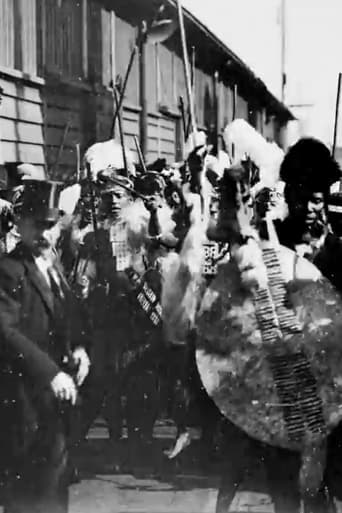
Prominent British showman, circus proprietor, and theatrical impresario who transitioned briefly into early cinema during the medium's infancy. Born in the mid-19th century, Fillis gained fame as the creator of elaborate spectacles and exhibitions, most notably his 'Savage South Africa' show that toured extensively in Britain. His the Victorian era, during which he became renowned for organizing large-scale theatrical productions that featured performers from various colonial territories. In 1899, at the dawn of cinema, Fillis appeared in what appears to be his only film credit, 'The Landing of Savage South Africa at Southampton,' which documented his famous show's arrival in England. This brief foray into filmmaking occurred during the very early days of motion pictures, when the medium was still establishing itself as a legitimate art form. Fillis was more celebrated for his contributions to live entertainment and circus culture than for his brief cinematic appearance, though his film provides valuable documentation of Victorian-era spectacle and early colonial representation in entertainment.
The Craft
On Screen
Limited to documentary-style appearance in early cinema, primarily as himself rather than as a character actor
Milestones
- Created and operated Fillis's Circus
- Produced the 'Savage South Africa' exhibition (1899)
- Appeared in early documentary film 'The Landing of Savage South Africa at Southampton' (1899)
- Organized large-scale theatrical spectacles across Britain
- Pioneered colonial-themed entertainment in Victorian England
Best Known For
Iconic Roles
Must-See Films
Accolades
Special Recognition
- Recognized as one of Victorian England's most prominent showmen and circus proprietors
Working Relationships
Worked Often With
Studios
Why They Matter
Impact on Culture
Frank Fillis played a significant role in shaping Victorian entertainment culture through his elaborate spectacles and colonial-themed exhibitions. His 'Savage South Africa' show, while problematic by modern standards for its colonial representations, was enormously popular in its time and reflected British attitudes toward empire and exoticism. Fillis's brief appearance in early cinema represents the intersection of traditional show business with emerging film technology, demonstrating how established entertainers adapted to new media. His work contributed to the popularization of ethnographic entertainment and influenced how British audiences perceived colonial subjects and cultures.
Lasting Legacy
Frank Fillis is remembered primarily as a Victorian showman rather than as a film actor, though his single film appearance provides valuable documentation of early cinema and Victorian entertainment. His circus and theatrical enterprises influenced the development of mass entertainment in Britain and demonstrated the public's appetite for spectacular, large-scale productions. The film featuring Fillis represents an important artifact from the very beginning of motion picture history, capturing both the emergence of cinema as a medium and the Victorian fascination with colonial subjects. Fillis's career exemplifies the transition from traditional theatrical entertainment to new forms of mass media at the turn of the 20th century.
Who They Inspired
Fillis influenced the development of large-scale entertainment productions in Britain and demonstrated how show business could capitalize on public interest in colonial themes. His approach to creating immersive, spectacular experiences paved the way for later forms of mass entertainment, including early cinema's attraction to exotic and colonial subjects. While his brief film career didn't directly influence cinema, his success as a showman illustrated the commercial potential of spectacular entertainment that would later be emulated in film production.
Off Screen
Frank Fillis was deeply immersed in the entertainment industry throughout his adult life, dedicating himself to creating spectacular shows and exhibitions. He married and had children who continued in the entertainment business. His personal life was closely intertwined with his professional endeavors, as the circus and show business lifestyle consumed most of his time and energy. Fillis was known for his entrepreneurial spirit and his ability to capitalize on public interest in colonial subjects and exotic entertainment during the height of the British Empire.
Education
Limited formal education typical of working-class Victorians; primarily self-taught in business and entertainment management
Family
- Unknown (records from Victorian era are incomplete)
Did You Know?
- His 'Savage South Africa' show featured over 200 performers including Zulu warriors
- The show was staged at London's Olympia and was one of the largest exhibitions of its kind
- Fillis's circus was known for its elaborate productions and international performers
- The 1899 film is one of the earliest examples of documentary-style cinema in Britain
- His shows were controversial even in Victorian times for their portrayal of colonial subjects
- Fillis was part of a generation of entertainment entrepreneurs who helped establish modern show business
- The 'Savage South Africa' exhibition was timed to coincide with public interest in the Boer War
- His active years covered the transition from Victorian to Edwardian entertainment
- Fillis was one of the first established entertainers to appear in motion pictures
- His shows often featured elements that would later become standard in circus and variety entertainment
In Their Own Words
No documented quotes are available from Frank Fillis, as he was primarily known as a showman and producer rather than as a public speaker or writer
Frequently Asked Questions
Who was Frank Edward Fillis?
Prominent Victorian showman, circus proprietor, and theatrical impresario who briefly appeared in early cinema. He was best known for his elaborate spectacles and exhibitions, particularly the 'Savage South Africa' show that toured Britain in 1899.
What films is Frank Fillis best known for?
Titles linked here include The Landing of Savage South Africa at Southampton (1899).
When was Frank Fillis born and when did he die?
Born 1857; died 1922.
What awards did Frank Fillis win?
Frank Fillis did not receive formal awards in the modern sense, as he worked during an era before established entertainment industry awards existed. However, he was recognized as one of Victorian England's most successful and innovative showmen and circus proprietors.
What was Frank Fillis's contribution to early cinema?
Frank Fillis's contribution to early cinema was minimal but historically significant. His appearance in 'The Landing of Savage South Africa at Southampton' (1899) represents an early example of documentary-style filmmaking and demonstrates how established entertainers from traditional show business began engaging with the new medium of motion pictures.
What was the 'Savage South Africa' exhibition?
The 'Savage South Africa' exhibition was a large-scale theatrical spectacle created by Frank Fillis in 1899, featuring over 200 performers including Zulu warriors. It was staged at London's Olympia and presented dramatized scenes of African life, reflecting Victorian fascination with colonial subjects.
How did Frank Fillis influence entertainment?
Frank Fillis influenced entertainment by large-scale, spectacular productions that combined elements of circus, theater, and ethnographic exhibition. His success demonstrated the commercial potential of elaborate, immersive entertainment experiences that would later influence various forms of mass media, including early cinema.