
The May Revolution
"La Revolución de Mayo is an Argentine silent movie premiered in 1909"
Keys: Space play/pause · ←/→ 10s · F fullscreen · M mute · </> speed
About this film
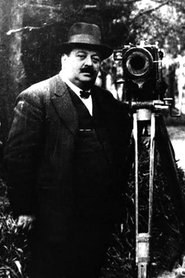
La Revolución de Mayo (in English: May Revolution) is an Argentine silent movie premiered in 1909. As the name denotes, it is focused on the events of the May Revolution. It was directed by Mario Gallo, and it was the first Argentine film with a plot.
Cast & crew
More History films
View all →


More about this film
About the production
Release dateMay 24, 1910 (premiered during centennial celebrations of May Revolution)
Box officeUnknown - box office records from 1910 Argentina are not preserved
ProductionCinematografía Argentina
Filmed inBuenos Aires, Argentina, Plaza de Mayo, Cabildo de Buenos Aires
Filmed using primitive hand-cranked cameras, the production faced significant technical challenges including the need for natural lighting and the inability to record sound. The film was shot on location at actual historical sites, which was revolutionary for the time. Director Mario Gallo, an Italian immigrant, brought European cinematic techniques to Argentine cinema, using multiple camera angles and location shooting rather than the static studio shots common in early cinema. The production involved hundreds of extras to recreate the revolutionary crowds, making it especially ambitious film productions in Latin America at the time.
Themes
Themes & topics
May RevolutionArgentine independenceHistorical dramaRevolutionPatriotismColonialismPolitical upheavalNational historyBuenos Aires19th centurySpanish EmpirePrimera Junta
Historical background
The May Revolution (1910) emerged during the silent-film era. La Revolución de Mayo (in English: May Revolution) is an Argentine silent movie premiered in 1909. Archival records and catalog entries help place the work within film-history surveys of the period.
Why this film matters
Preserved under Wikidata ID Q964041, The May Revolution is valued as a screen drama within catalog and archive collections. Wikipedia's "La Revolución de Mayo" entry connect it to broader histories of cinema exhibition and restoration.
Making of
Mario Gallo, an Italian filmmaker who had worked in Europe before emigrating to Argentina, assembled a cast of theater actors led by Eliseo Gutiérrez and César Fiaschi, who were prominent figures in Buenos Aires' theatrical scene. The production faced numerous technical challenges typical of early cinema, including the need for bright natural sunlight for adequate exposure, which limited shooting times. Gallo employed innovative techniques for the era, including location shooting at historically significant sites rather than studio sets, and attempted to create realistic crowd scenes using local citizens as extras. The film was shot on 35mm film using hand-cranked cameras, requiring careful coordination between the director and camera operator. The production team had to recreate historical costumes and props from scratch, as no professional costume houses existed in Argentina at the time. The film's editing was particularly sophisticated for 1910, using cross-cutting between different locations to build tension during the revolutionary scenes.
What critics said
Trade and archival sources offer limited day-one review coverage for The May Revolution. Modern reception rests on its availability in collections, repertory screenings, and reference works that document 1910 cinema.
Did you know?
- This was the very first narrative fiction film produced in Argentina, marking the birth of Argentine cinema
- The film was released to coincide with Argentina's centennial celebrations of the May Revolution of 1810
- Director Mario Gallo was an Italian immigrant who brought cinema expertise to Argentina
- Only fragments of the original film are believed to survive today, with most footage lost to time
- The film used actual historical locations in Buenos Aires, including the real Plaza de Mayo and Cabildo
- It was one of the first films in Latin America to depict historical events rather than everyday scenes
- The production involved over 200 actors and extras, unprecedented for Argentine cinema at the time
- The film's success led to a boom in Argentine film production in the 1910s
- Contemporary newspapers reported that audiences were moved to tears seeing their national history on screen
- The film was initially called just 'Revolución de Mayo' but later became known as 'La Revolución de Mayo'
Visual style
The cinematography was typical of early silent film era, using static camera positions with occasional pans to follow action. The film was shot in black and white on 35mm film using hand-cranked cameras, which resulted in variable frame rates. Natural lighting was used exclusively, as artificial lighting equipment was primitive and expensive. The filmmakers took advantage of Buenos Aires' bright sunlight and outdoor locations to achieve adequate exposure. The visual style emphasized historical authenticity through the use of actual locations like the Plaza de Mayo and Cabildo. Composition followed theatrical conventions, with actors positioned in tableaus reminiscent of stage productions. Despite technical limitations, the cinematography successfully captured the scale of the revolutionary crowds and the grandeur of the historical settings.
Innovations
La Revolución de Mayo pioneered several technical achievements for Argentine cinema, including being the first to use multiple locations for shooting rather than studio sets. The production employed innovative editing techniques for the time, including cross-cutting between different locations to build narrative tension. The film's use of large crowd scenes with hundreds of extras was unprecedented in Argentine cinema and required complex coordination. The filmmakers developed techniques for shooting in public spaces, managing crowds, and maintaining continuity across different locations. The production also demonstrated early mastery of historical recreation, with detailed costumes and props created specifically for the film. These technical innovations established a foundation for the Argentine film industry and influenced subsequent productions throughout Latin America.
Music
As a silent film, La Revolución de Mayo had no recorded soundtrack. During theatrical screenings, the film would have been accompanied by live music, typically a pianist or small orchestra in the more prestigious theaters. The musical accompaniment would have included popular Argentine songs of the era, classical pieces, and patriotic music to enhance the emotional impact of the revolutionary scenes. Some theaters may have used the Argentine national anthem or other patriotic songs during key moments of the film. The lack of synchronized sound meant that intertitles were used to convey dialogue and narrative information, though many of these have been lost along with the footage. The musical experience would have varied significantly between different theaters based on the quality of musicians available.
What audiences thought
The film was enormously popular with Argentine audiences, particularly during the centennial celebrations when patriotic sentiment was at its peak. Contemporary reports describe packed theaters and emotional reactions from viewers, many of whom were seeing their national history depicted on film for the first time. The film ran for extended periods in Buenos Aires theaters and was also shown in other Argentine cities, helping to establish cinema as a legitimate form of entertainment and education across the country. Audience members reportedly wept during scenes depicting the revolutionary heroes and cheered during the establishment of the Primera Junta. The film's success proved that Argentine audiences would embrace locally produced content with national themes, encouraging further investment in the domestic film industry. The emotional connection audiences felt to seeing their history dramatized helped establish cinema as a powerful medium for national storytelling.
Film connections
Influenced by
- European historical epics
- Italian historical films
- Stage theatrical productions
- Historical paintings
- National literature
- Political theater
- European cinema techniques
This film influenced
- Amalia
- La Guerra Gaucha
- Los últimos días de la víctima
- Camila
- Miss Mary
- Man Facing Southeast
- Tango
- similarFilms
Where to watch
- Wikimedia Commons: https://commons.wikimedia.org/wiki/File:La%20revoluci%C3%B3n%20de%20mayo%20(Mario%20Gallo%2C%201909).ogv