
Films
1 film
About Mario Gallo
Played a role in the early development of Argentine cinema. Born in Italy, he emigrated to Argentina where he became one of the first filmmakers to produce narrative feature films in the country. His most significant work was 'La Revolución de Mayo' (The May Revolution) in 1910, a historical epic that commemorated the centennial of Argentina's independence movement. This film was notable for its ambitious scale, featuring hundreds of extras and elaborate sets for its time. Gallo's career was brief but impactful, as he helped establish the foundation for Argentina's film industry during its nascent years. His work demonstrated early cinema's potential for national storytelling and historical documentation. Though his filmography is limited, his contributions to Latin American cinema during the silent era remain historically significant.
The Craft
Behind the Camera
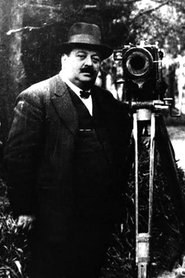
Mario Gallo's directing style reflected the early cinematic techniques of the silent era, emphasizing grand historical spectacle and visual storytelling. His work featured elaborate staging with large crowds of extras, typical of early historical epics that sought to recreate significant events. His approach was theatrical in nature, as was common in the period before more sophisticated cinematic language developed. He utilized static camera positions and long takes to capture the scope of his historical subjects.
Milestones
- Directed 'La Revolución de Mayo' (1910), one of Argentina's first feature films
- Pioneer of Argentine cinema during the silent era
- Created historical epic commemorating Argentina's centennial
- Helped establish narrative filmmaking in Argentina
Best Known For
Must-See Films
Accolades
Special Recognition
- Recognized as a pioneer of Argentine cinema
Working Relationships
Studios
Why They Matter
Impact on Culture
Mario Gallo's work had significant cultural impact as one of the foundational figures in Argentine cinema history. His film 'La Revolución de Mayo' represented an important milestone in the development of national cinema, demonstrating how film could be used to celebrate and preserve national history. The film's production during Argentina's centennial celebrations highlighted cinema's role in national identity formation. His efforts helped establish Argentina as one of the early centers of film production in Latin America, influencing subsequent generations of Argentine filmmakers.
Lasting Legacy
Mario Gallo's legacy endures as one of the pioneers who helped establish the foundation of Argentine cinema. Though his career was brief and only one major work survives in historical record, his contribution to the development of narrative filmmaking in Argentina is historically significant. His work represents the early efforts of national cinemas to tell their own stories through the medium of film. Film historians recognize him as an important figure in the broader context of early Latin American cinema development.
Who They Inspired
As an early pioneer, Mario Gallo influenced subsequent generations of Argentine filmmakers by demonstrating the potential for creating national cinema. His historical epic approach to filmmaking set a precedent for using film as a medium for national storytelling. His work during the silent era helped establish conventions that would be built upon by later Argentine directors. His example showed that local filmmakers could produce ambitious, large-scale productions that resonated with national audiences.
Off Screen
Very little is documented about Mario Gallo's personal life, which was common for figures from early cinema. He was born in Italy and later emigrated to Argentina, where he established his filmmaking career. His Italian background likely influenced his artistic sensibilities and approach to filmmaking. The scarcity of personal records reflects the limited documentation of early film industry personnel during this period.
Did You Know?
- 'La Revolución de Mayo' was one of the first feature-length films produced in Argentina
- The film was made to commemorate the 100th anniversary of Argentina's May Revolution of 1810
- Gallo was Italian-born but made his career in Argentina
- His film featured hundreds of extras and elaborate sets, making it an ambitious production for its time
- Very little of his personal life is documented, reflecting the limited record-keeping of early cinema personnel
- His work represents the early efforts of national cinemas to emerge in Latin America
- The film is considered a lost film, with no known surviving copies
- His directing career appears to have been concentrated in a single year, 1910
- He was part of the first wave of filmmakers who brought cinema to Argentina
- His work helped establish Argentina as an early center of film production in South America
Frequently Asked Questions
Who was Mario Gallo?
Italian-Argentine on YTB.my. He is best known for directing 'La Revolución de Mayo' in 1910, one of Argentina's first feature films and a historical epic commemorating the nation's centennial.
What films is Mario Gallo best known for?
Titles linked here include La Revolución de Mayo (1910).
When was Mario Gallo born and when did he die?
Born 1878; died death date not listed.
What awards did Mario Gallo win?
Mario Gallo did not receive formal awards during his career, as he worked during the very early days of cinema before award systems were established. However, he is recognized by film historians as an important pioneer of Argentine cinema.
What was Mario Gallo's directing style?
Mario Gallo's directing style reflected early silent era techniques, emphasizing grand historical spectacle with large crowds and elaborate sets. His approach was theatrical in nature, using static camera positions and long takes typical of early 1910s filmmaking.