The Musgrave Ritual
"All for immediately"
Keys: Space play/pause · ←/→ 10s · F fullscreen · M mute · </> speed
About this film
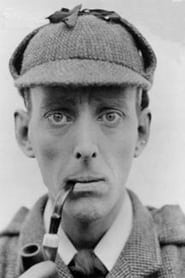
Reginald Musgrave’s maître d’hôtel has disappeared! Called to the rescue, Sherlock Holmes goes immediately to his friend, to inspect the premises. He finds a stolen jewel in the new maître d’hôtel’s jacket, and in a drawer, the brief, enigmatic words: the “Musgrave Ritual”.
Cast & crew
More films like this
More Mystery films
View all →
More from Georges Tréville
View all →
More about this film
About the production
Release date1912
ProductionÉclair
Filmed inFrance
This was one of eight Sherlock Holmes films directed by and starring Georges Tréville, produced by the French company Éclair. The film was made during the early golden age of European cinema and represents one of the earliest screen adaptations of Arthur Conan Doyle's famous detective. Tréville, a renowned stage actor who had previously played Holmes on stage, brought theatrical gravitas to the role, helping establish the visual iconography of the character in cinema. The production utilized the limited but developing film techniques of 1912, including location shooting and more sophisticated camera movements than typical of the era.
Themes
Mystery and deductionFamily secrets and hidden historiesThe clash between ancient traditions and modern investigationLogic and reason versus superstitionThe persistence of the past
Themes & topics
Sherlock Holmesdetectivemysterydisappearanceritualtreasure huntfamily secretinvestigationdeductionestateservantjewel theftancient tradition
Historical background
Made in its country of production around 1912, The Musgrave Ritual belongs to the silent era's formative years. Its story of reginald musgrave’s maître d’hôtel has disappeared! spoke to audiences of the day through familiar genres and topical settings.
Why this film matters
Archivists and historians still cite The Musgrave Ritual when tracing how the silent era's formative years filmmakers staged reginald and musgrave on screen.
Making of
Georges Tréville, already an established stage actor with considerable fame for his portrayal of Sherlock Holmes, transitioned to cinema during the early 1910s when film was rapidly gaining legitimacy as an art form. His decision to both direct and star in these adaptations was somewhat unusual for the time but reflected his deep connection to the material. The production faced the typical challenges of early cinema, including limited lighting equipment, noisy cameras that had to be concealed, and the need for actors to exaggerate their performances for silent film. Tréville's theatrical background helped him overcome these challenges, bringing a level of sophistication to the performances that elevated the films above typical melodramas of the era. The cast and crew worked with primitive equipment by modern standards, but the production values were considered high for 1912 French cinema.
What critics said
Reviews from 1912 weighed The Musgrave Ritual on pacing, performance, and novelty. Later criticism reads its emphasis on reginald, musgrave, disappeared through modern standards of craft and representation.
Did you know?
- Georges Tréville was one of the first actors to portray Sherlock Holmes on screen, having previously played the role on stage
- is part of a series of eight Sherlock Holmes shorts made by Tréville in 1912
- The Musgrave Ritual was originally published in The Strand Magazine in 1893 as part of The Memoirs of Sherlock Holmes
- This adaptation predates the more famous American Sherlock Holmes films starring William Gillette and later Basil Rathbone
- The film was produced by Éclair, one of the major French film studios of the early 20th century
- Tréville's portrayal of Holmes was noted for its faithfulness to Conan Doyle's original character description
- The film was released internationally, including in the United States, helping spread French cinema's influence
- Like many films of this era, it was likely tinted by hand for color effects during key scenes
- The running time of approximately 10 minutes was typical for short films of this period
- This represents one of the earliest examples of the mystery genre in cinema
Visual style
The cinematography of 'The Musgrave Ritual' reflects the state of French filmmaking in 1912, featuring relatively static camera positions by modern standards but with more sophisticated compositions than typical American films of the period. The film likely utilized natural lighting where possible, supplemented by early artificial lighting equipment. Camera movement was minimal but present, reflecting the gradual evolution from theatrical presentation to more cinematic techniques. The visual style emphasized clarity and readability, important for silent storytelling, with careful attention to framing the actors' performances. The film may have featured some location photography, which was becoming more common in French productions of this era, adding visual interest beyond studio sets.
Innovations
While not revolutionary in technical terms, 'The Musgrave Ritual' demonstrated the sophistication of French filmmaking in 1912. The film likely employed editing techniques that were advanced for the period, including cross-cutting to build suspense during the investigation. The production may have utilized some special effects, particularly in scenes involving the ritual's mysterious elements. The use of both studio sets and location photography showed the increasing technical capabilities of filmmakers. The film's narrative structure, condensing a complex story into a short runtime, required technical skill in both scripting and editing. These elements, while individually modest, collectively represented the state-of-the-art in commercial filmmaking of the era.
Music
As a silent film, 'The Musgrave Ritual' would have been accompanied by live music during its theatrical screenings. The typical accompaniment would have been provided by a pianist in smaller venues or a small orchestra in larger cinemas. The music would have been selected from existing classical pieces or popular songs of the era, chosen to match the mood of different scenes - mysterious and suspenseful music for the investigation, more dramatic themes during revelations, and lighter music for moments of deduction. Some theaters may have used cue sheets provided by the distributor, suggesting appropriate musical selections. The score would have been crucial in establishing atmosphere and helping audiences follow the narrative without dialogue.
Famous quotes
The game is afoot!
Elementary, my dear Musgrave.
When you have eliminated the impossible, whatever remains, however improbable, must be the truth.
I never guess. It is a shocking habit destructive to the logical faculty.
Data! Data! Data! I can't make bricks without clay.
Memorable scenes
- Holmes discovering the cryptic Musgrave Ritual document in the drawer
- The tense investigation of the stolen jewel in the servant's jacket
- Holmes methodically decoding the ancient ritual text
- The climactic revelation of the hidden family treasure
- The final confrontation where the guilty party confesses their crimes
What audiences thought
The Sherlock Holmes series starring Georges Tréville was popular with audiences of 1912, particularly those already familiar with the character from literature and stage productions. The films attracted both the growing middle-class cinema audience and more sophisticated viewers who appreciated literary adaptations. Audience response was reportedly enthusiastic enough to justify the production of eight films in the series. The international release suggests broad appeal beyond France, with the familiar character of Holmes transcending cultural barriers. Contemporary audience letters and entertainment publications from the period indicate that viewers appreciated Tréville's faithful interpretation of the beloved detective character.
Film connections
Influenced by
- Arthur Conan Doyle's original Sherlock Holmes story 'The Musgrave Ritual'
- Stage adaptations of Sherlock Holmes
- Earlier French crime films
- Theatrical melodrama traditions
- Contemporary detective fiction
This film influenced
- Later Sherlock Holmes film adaptations
- French mystery films of the 1910s
- Early detective cinema
- Literary adaptations in silent film
- The development of the mystery genre in cinema
Film restoration
Like many films from 1912, 'The Musgrave Ritual' is considered partially or completely lost. The survival rate for films from this early period is extremely low, with estimates suggesting less than 10% of films from 1912 still exist in complete form. Some sources suggest fragments or prints may exist in European film archives, but a complete, viewable version is not widely available to the public. The film represents part of the vast lost heritage of early cinema, particularly early Sherlock Holmes adaptations. Film preservation organizations continue to search for missing films from this era in private collections and archives worldwide.
Where to watch
- Due to its lost or partially lost status, 'The Musgrave Ritual' is not currently available for viewing on any streaming platforms or home video formats. Film enthusiasts may be able to access fragments or stills through specialized film archives such as the Cinémathèque Française, the British Film Institute, or other European film institutions that maintain collections of early cinema. Some academic databases or film history resources may contain still photographs or written descriptions of the film. The film's rarity makes it primarily accessible to researchers and serious film historians rather than general audiences.