Films
3 films
About Georges Tréville
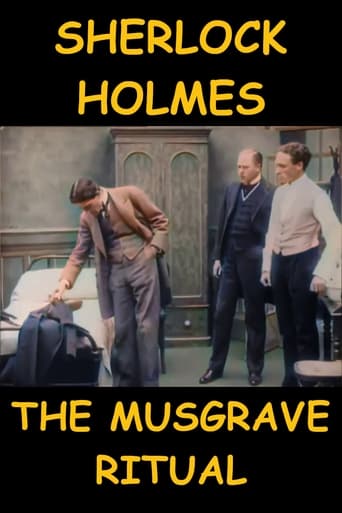
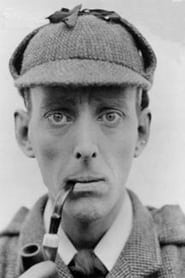
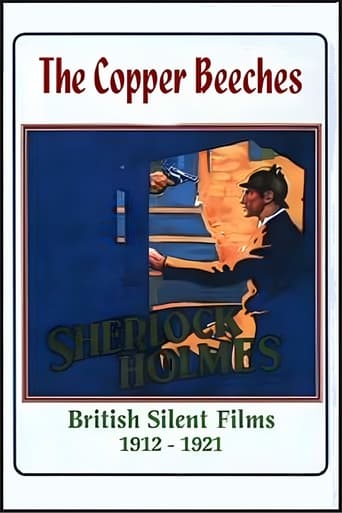
Figure in early French cinema during the silent era, active primarily in 1912. He made significant contributions to the nascent medium by directing and acting in some of the earliest film adaptations of Sherlock Holmes stories. His work on 'The Musgrave Ritual' (1912) and 'The Copper Beeches' (1912) represents some of the first cinematic interpretations of Arthur Conan Doyle's famous detective character. Tréville was part of the first generation of filmmakers who were exploring the possibilities of cinema as a storytelling medium, working during a period when film was still establishing itself as an art form. His dual role as both director and actor was common in early cinema when production teams were small and individuals often wore multiple hats. Though his career appears to have been brief and concentrated in 1912, his work helped establish the foundation for the countless Sherlock Holmes adaptations that would follow in subsequent decades. His films represent important artifacts from the very early days of narrative cinema, capturing the experimental and spirit of filmmakers who were essentially inventing the language of cinema as they worked.
The Craft
Milestones
- Directed 'The Musgrave Ritual' (1912)
- Acted in 'The Musgrave Ritual' (1912)
- Acted in 'The Copper Beeches' (1912)
- Created some of the earliest Sherlock Holmes film adaptations
Best Known For
Iconic Roles
Must-See Films
Why They Matter
Impact on Culture
Georges Tréville's work represents an important milestone in the early history of Sherlock Holmes adaptations on screen. His 1912 films are among the very first cinematic interpretations of Arthur Conan Doyle's detective character, predating the more well-known adaptations by decades. These early silent films helped establish visual storytelling techniques that would influence countless future detective films. Tréville's work demonstrates how quickly cinema embraced popular literary properties, recognizing the commercial and artistic potential of adapting beloved stories for the new medium. His films, though now lost or extremely rare, are historically significant as artifacts from the dawn of narrative cinema, showing how filmmakers in 1912 were beginning to develop the visual language for conveying mystery, suspense, and character through the limitations of silent film technology.
Lasting Legacy
Georges Tréville's legacy lies in his contribution to the early history of Sherlock Holmes on screen and his role as a pioneer of French cinema. Though his career appears to have been brief and concentrated in a single year, his work represents some of the earliest attempts to bring the world's most famous detective to life on film. His adaptations of 'The Musgrave Ritual' and 'The Copper Beeches' stand as important historical documents showing how early filmmakers approached literary adaptation. Tréville's work exemplifies the experimental and spirit of early cinema, when filmmakers were essentially inventing the medium as they worked. While his name may not be widely recognized today, his place in film history is secured by his early contributions to what would become.
Who They Inspired
As an early filmmaker working in 1912, Georges Tréville was part of the foundational generation that influenced all subsequent cinema. His approach to adapting Sherlock Holmes likely influenced how later directors would approach literary adaptations, particularly in the mystery genre. The visual storytelling techniques he employed would have been among the earliest attempts to translate the deductive reasoning and atmospheric elements of Holmes stories to the silent screen. His dual role as both director and actor set a precedent for the hands-on approach many early filmmakers took, a tradition that would continue with auteurs in later decades. While specific influences on his work are difficult to trace due to the limited documentation of early cinema, his place in the chain of cinematic innovation is undeniable.
Did You Know?
- Georges Tréville was active during the very early days of cinema, working in 1912 when films were still a relatively new medium
- His Sherlock Holmes adaptations are among the earliest known film versions of Arthur Conan Doyle's detective
- The Musgrave Ritual and The Copper Beeches were both short films, typical of the era when feature-length films were rare
- His films were produced during the silent era, before synchronized sound became common in cinema
- Tréville was French, making him part of the early European cinema tradition that predated Hollywood's dominance
- His career appears to have been extremely brief, with all known work concentrated in 1912
- The films he worked on are now considered lost or extremely rare, as is common with most cinema from this period
- His dual role as both director and actor was typical of early cinema when production resources were limited
- The Sherlock Holmes stories he adapted were originally published in the 1890s, making them relatively contemporary literature in 1912
- His work represents an important link between literary detective fiction and the emerging medium of cinema
Frequently Asked Questions
Who was Georges Tréville?
French actor and on YTB.my. He is known for directing and acting in some of the earliest film adaptations of Sherlock Holmes stories, including 'The Musgrave Ritual' and 'The Copper Beeches'.
What films is Georges Tréville best known for?
Titles linked here include The Musgrave Ritual (1912), The Copper Beeches (1912).
When was Georges Tréville active in cinema?
Georges Tréville was active in cinema during the year 1912, making him a pioneer of the silent film era. His entire known film career appears to have been concentrated in this single year.
What was significant about Georges Tréville's Sherlock Holmes films?
Tréville's Sherlock Holmes films are historically significant as they represent some of the earliest cinematic adaptations of Arthur Conan Doyle's famous detective. These 1912 films predate most other Sherlock Holmes movies by decades and provide insight into how early filmmakers approached literary adaptation.
What was Georges Tréville's role in early cinema?
filmmaker during the silent era who helped establish early conventions for adapting literary works to film. His work on Sherlock Holmes stories contributed to the foundation of detective cinema and demonstrated the commercial potential of popular literary adaptations.
Are Georges Tréville's films still available to watch?
Unfortunately, most films from 1912, including Georges Tréville's Sherlock Holmes adaptations, are considered lost or extremely rare. This is typical of cinema from this very early period, as film preservation was not yet a priority and the nitrate film stock used was highly unstable.
What was Georges Tréville's nationality?
Georges Tréville was French, making him part of the early European cinema tradition. His work represents the contributions of French filmmakers to the development of narrative cinema during its formative years.