
The Screaming Skull
"Retire and mansion"
Keys: Space play/pause · ←/→ 10s · F fullscreen · M mute · </> speed
About this film
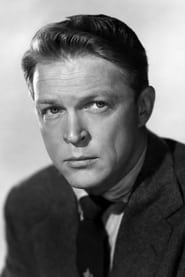
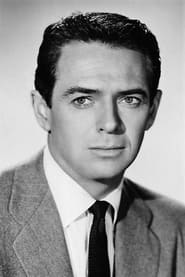
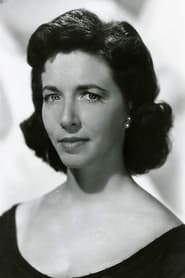
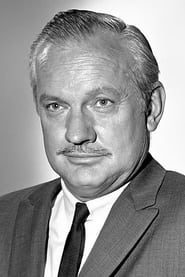
Newlyweds Eric and Jenni Whitlock retire to his desolate mansion, where Eric's first wife Marianne died from a mysterious freak accident. Jenni, who has a history of mental illness, begins to see strange things including a mysterious skull, which may or may not be a product of her imagination.
Cast & crew
More films like this
More Thriller films
View all →


More about this film
About the production
Release dateOctober 1958
BudgetApproximately $105,000
Box officeModest commercial success, exact figures not documented
ProductionAmerican International Pictures, Gorham Productions
Filmed inLos Angeles, California, Hollywood Hills, Ray Art Studios
The film was shot in just seven days on a very tight budget. Director Alex Nicol also played the role of Mickey the gardener. The production used many of the same sets and crew members from other AIP horror films of the era. The skull prop was reportedly created from a real human skull that was modified for the film. The infamous 'free coffin' promotion was added by distributor AIP as a gimmick to attract audiences.
Themes
Psychological trauma and its manifestationsThe unreliability of perceptionDomestic horror within marriageGaslighting and manipulationThe boundary between supernatural and psychological phenomena
Themes & topics
newlywedsmansionskullpsychological horrorsupernaturalgaslightingmysterious deathmental illnesshauntinggothic horror
Historical background
Made in 1958, The Screaming Skull reflects production norms of mid-century cinema across Hollywood and world markets—shorter runtimes, regional audiences, and limited preservation infrastructure.
Why this film matters
Historians reference The Screaming Skull (1958) when discussing 1958 film by Alex Nicol.
Making of
The production of 'The Screaming Skull' was typical of American International Pictures' approach to low-budget horror filmmaking in the late 1950s. The film was shot quickly and inexpensively, utilizing available sets and a small crew. Director Alex Nicol, primarily known as an actor, took on the dual role of director and performer, which was not uncommon for low-budget productions. The film's most infamous behind-the-scenes story involves the promotional gimmick of offering free burial insurance to anyone who died of fright while watching the movie, a publicity stunt dreamed up by AIP's marketing team. The skull prop, which becomes central to the film's horror elements, was reportedly created using a real human skull modified by the prop department. The production faced challenges in creating genuinely frightening moments with such limited resources, leading to creative solutions like the use of reverse-played screams and strategic lighting to enhance the atmosphere of dread.
What critics said
Where contemporary reviews survive, The Screaming Skull is discussed in terms of audience appeal at release; later criticism often reframes it through archive restoration and festival programming.
Did you know?
- The film was promoted with a gimmick where theaters offered free burial insurance to patrons who died of fright during the screening
- Director Alex Nicol not only directed but also acted in the film as Mickey the gardener
- The skull prop was allegedly made from a real human skull purchased from a medical supply company
- The film was shot in only seven days, which was typical for low-budget horror productions of the era
- Peggy Webber, who played Jenni, was also a successful radio actress and founded the California Artists Radio Theatre
- The mansion used in the film was actually a set constructed on a soundstage, not a real location
- The film's title was inspired by a 1919 short story by Francis Marion Crawford
- The screaming sound effect used in the film was created by recording actress Peggy Webber's scream and playing it backward at varying speeds
- The film fell into the public domain due to copyright renewal issues, which is why it appears on many budget DVD compilations
- John Hudson, who played Eric, was primarily a television actor and this was one of his few leading film roles
Visual style
The cinematography by Floyd Crosby, who had previously worked with Roger Corman on numerous productions, makes effective use of limited resources to create an atmosphere of dread. Crosby employs high-contrast lighting and deep shadows to enhance the film's gothic atmosphere, particularly effective in the mansion scenes where darkness becomes a character in itself. The camera work is straightforward but occasionally innovative, using Dutch angles during moments of psychological distress to visually represent Jenni's deteriorating mental state. The film makes clever use of reflection shots, particularly in mirror scenes that suggest duality and hidden truths. Despite the constraints of a low budget and tight shooting schedule, Crosby manages to create several memorable visual sequences, including the recurring appearances of the skull which are filmed to maximize their unsettling impact. The black and white photography enhances the film's mood, with the stark contrasts between light and shadow mirroring the film's themes of sanity versus madness.
Innovations
While 'The Screaming Skull' was not a technically film, it did demonstrate several creative solutions to the challenges of low-budget horror production. The film's sound design, particularly the creation of the screaming skull effect, involved innovative audio manipulation techniques for the time. The prop department's work on the skull itself was noteworthy, creating a convincing and unsettling central horror element with minimal resources. The film's use of practical effects, including the self-moving skull sequences, showed ingenuity within budget constraints. Director Alex Nicol employed several techniques to maximize the film's psychological impact, including strategic use of camera angles and lighting to create an atmosphere of unease. The film's editing, while straightforward, effectively builds tension through pacing and the strategic withholding of information. These technical solutions, while not revolutionary, demonstrated how creative filmmaking could overcome budget limitations to create effective horror cinema.
Music
The film's score was composed by Ernest Gold, who would later win an Academy Award for 'Exodus' (1960). Gold's music effectively enhances the film's atmosphere of psychological tension, using a combination of orchestral arrangements and experimental sound techniques. The score prominently features unsettling string arrangements and percussive elements that create a sense of mounting dread. Particularly effective is the use of a recurring musical motif associated with the skull appearances, which becomes increasingly distorted as the film progresses. The sound design, while limited by the budget, makes creative use of the titular screaming sounds, which were created through innovative manipulation of actress Peggy Webber's voice recordings. The film's audio landscape also incorporates natural sounds from the mansion setting - creaking floors, wind, and distant animal cries - to create a more immersive horror experience. Gold's work on this film demonstrates his ability to create effective mood music even with limited resources, a skill that would serve him well in his later, more prestigious projects.
Famous quotes
Jenni: 'I saw it! I saw the skull! It was looking at me!'
Eric: 'You're imagining things, Jenni. You've been under too much strain.'
Reverend Snow: 'Sometimes the things we fear most are the things we create ourselves.'
Jenni: 'This house.. It's not just empty. It's waiting.'
Eric: 'Marianne's dead. She can't hurt anyone anymore.'
Memorable scenes
- The first appearance of the skull in the pond, where it seems to surface and watch Jenni, establishing the film's central horror element and psychological ambiguity
- The climactic confrontation in the attic where Jenni discovers the truth about Marianne's death, combining physical action with psychological revelation
- The scene where Jenni sees the skull in her bedroom, which uses creative camera work and lighting to maximize the horror impact despite budget limitations
What audiences thought
Initial audience reception to 'The Screaming Skull' was mixed, with the film finding its primary audience among teenage drive-in patrons looking for cheap thrills. The promotional gimmick of offering burial insurance likely attracted curiosity seekers, though there are no documented cases of anyone actually claiming the insurance. Over the decades, the film has developed a cult following among horror enthusiasts who appreciate its camp qualities and 1950s aesthetic. The Mystery Science Theater 3000 episode featuring the film introduced it to a wider audience, many of whom developed an affection for its earnest if flawed execution. Modern audiences often view the film through the lens of 'so bad it's good' cinema, finding entertainment in its limitations rather than genuine scares. Despite its modest reputation, the film maintains a steady presence in horror film discussions and retrospectives of 1950s genre cinema.
Film connections
Influenced by
- Gaslight (1944)
- Diabolique (1955)
- Psycho (1960) - though released later, shares themes of psychological horror
- The Uninvited (1944)
- Jane Eyre (particularly the madwoman in the attic trope)
This film influenced
- The Haunting (1963) - similar use of psychological ambiguity
- What Ever Happened to Baby Jane? (1962) - domestic horror themes
- The Innocents (1961) - psychological supernatural horror
Film restoration
The film has fallen into the public domain due to copyright renewal issues, which has ironically helped ensure its preservation through multiple releases. Several film restoration companies have produced cleaned-up versions for home video. The original film elements are believed to be stored in various archives, though no major restoration project has been undertaken due to its public domain status. The film's availability on multiple platforms has helped prevent it from becoming lost, though the quality of available copies varies significantly.
Where to watch
- Amazon Prime Video
- YouTube (public domain uploads)
- Tubi
- Pluto TV
- The Roku Channel
- Various DVD and Blu-ray compilations from public domain distributors
- Internet Archive