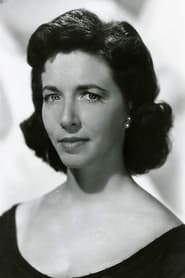
Peggy Webber
Actor
Born: September 15, 1925 in Palo Alto, California, USA Active: 1940s-1980s Birth Name: Margaret Webb
Films
1 film
About Peggy Webber
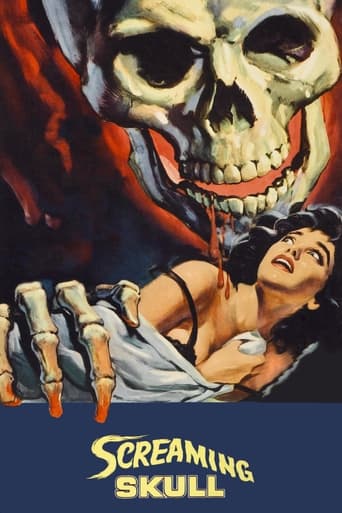
American actress: screen work in classic cinema was limited but memorable, most notably for her role in the 1958 horror film The Screaming Skull. Born Margaret Webb on September 15, 1925, she developed into a versatile performer whose career reached far beyond film into radio, television, and stage work. In the postwar era, she became especially well known as a radio actress, making frequent appearances in dramatic anthology programs and suspense series, where her clear voice and precise delivery made her a distinctive presence. Although her filmography is comparatively small, she remained active across several branches of entertainment for decades, demonstrating the adaptability that many performers of her generation needed as the industry shifted from radio to television and later to audio work and teaching. Her association with The Screaming Skull has kept her name alive among fans of vintage horror and low-budget 1950s genre cinema. Webber is remembered as a reliable, intelligent character actress whose strongest impact came through performance craft rather than celebrity stardom. Her long career reflects the overlapping worlds of golden-age radio, early television, and classic film.
The Craft
On Screen
Peggy Webber was known for a clear, disciplined, and highly controlled style shaped by her extensive radio experience. Her performances emphasized vocal precision, emotional clarity, and a natural but theatrical poise well suited to suspense and dramatic genres. In film and television, she projected intelligence and composure, often grounding scenes with an understated realism that contrasted effectively with heightened genre material. Her work suggests a performer more concerned with truthfulness and timing than with broad display, which made her especially effective in dialogue-driven roles.
Milestones
- Appeared in the 1958 cult horror film The Screaming Skull, the screen role for which she is best remembered by classic horror fans
- Became a familiar and respected voice on American radio drama in the 1940s and 1950s
- Worked steadily in television during the early decades of the medium, moving successfully among anthology drama, suspense, and guest-starring roles
- Built a long career that bridged radio, television, film, and later voice-related work
- Established herself as a versatile character actress rather than a star persona, which gave her a durable presence in genre entertainment
Best Known For
Iconic Roles
Must-See Films
Working Relationships
Worked Often With
Studios
Why They Matter
Impact on Culture
Peggy Webber’s cultural impact lies less in star-driven fame than in the preservation of performance traditions across multiple media. She represents the class of versatile mid-century actresses who carried the skills of radio drama into television and film, helping define how suspense, emotion, and dialogue were communicated in the era before screen acting became fully naturalistic. Her appearance in The Screaming Skull has made her a familiar name to horror scholars and cult-film audiences, where supporting performers often gain renewed attention for their contribution to atmosphere and tone. In the broader history of American entertainment, she stands as an example of a highly skilled working actress whose career illustrates the continuity between radio’s golden age and classic screen genres.
Lasting Legacy
Webber’s legacy is strongest among historians of radio drama and classic horror cinema. She remains a representative figure of the many talented performers whose contributions were essential to mid-century entertainment even if they did not achieve major stardom. Her career is valuable to film history because it demonstrates how character actors and voice artists sustained genre production through professionalism, adaptability, and craft. For cult-film viewers, her name endures primarily through The Screaming Skull, which has become a touchstone title in discussions of 1950s independent horror.
Who They Inspired
Her influence is best understood indirectly: by modeling the disciplined, voice-centered acting style that radio-trained performers brought to television and film, she helped sustain a performance tradition that shaped many character actors who followed. She also stands as part of the generation of women performers who successfully navigated multiple entertainment forms without relying on studio glamour or leading-lady status. While she is not commonly cited as a direct mentor to major stars, her career is part of the broader lineage that influenced how later actors approached suspense, narration, and dialogue-heavy roles.
Off Screen
Peggy Webber was born Margaret Webb in Palo Alto, California, and later became known professionally under the stage name Peggy Webber. She was married to actor and director William Phipps, with whom she had a family, and she was also associated in later life with educational and professional work connected to acting and voice performance. Beyond the relatively small amount of film she made, she remained active in performance-related fields for many years, which helped sustain her reputation among radio historians and fans of mid-century American entertainment. Publicly available biographical detail is more substantial on her professional life than on private matters, but she is consistently described as a longtime working actress with strong ties to radio and television.
Education
Specific formal educational details are not consistently documented in readily available public sources. She appears to have entered performance work at a young age and developed her skills primarily through professional experience in radio and acting communities.
Family
- William Phipps (married; dates not consistently documented in available sources)
Did You Know?
- She was born Margaret Webb and used Peggy Webber as her professional name.
- Her best-known film role is in the low-budget horror favorite The Screaming Skull (1958).
- She was more widely recognized in radio than in film during the peak years of her career.
- Her work is a good example of a performer who moved fluidly among radio, television, and cinema.
- Because her screen filmography is relatively small, she is especially remembered by cult-film collectors and horror enthusiasts.
- Her performance background gave her a strong advantage in suspense-oriented material that depended on vocal expression.
- She is associated with the classic era of live and anthology-style American broadcasting.
Frequently Asked Questions
Who was Peggy Webber?
American actress best known to classic horror fans for her role in The Screaming Skull (1958). She also had a substantial career in radio and television, where her precise voice work and reliable dramatic presence made her a respected professional performer.
What films is Peggy Webber best known for?
Titles linked here include The Screaming Skull (1958).
When was Peggy Webber born and where was she born?
Born September 15, 1925; died death date not listed.
Did Peggy Webber win major awards?
No major film awards or nominations are widely documented in the available public record. Her career is better remembered for steady professional work across radio, television, and film than for formal industry accolades.
What was Peggy Webber's acting style?
Her style was shaped by radio drama: clear, controlled, and emotionally exact. In front of the camera, she tended to favor understatement and vocal precision, which made her effective in suspense and character-driven material.
What is Peggy Webber's legacy in film history?
Her legacy lies in being part of the generation of versatile performers who moved across radio, television, and film during the mid-20th century. She is especially remembered by cult-horror audiences for The Screaming Skull and by radio historians for her broader body of dramatic work.