The Silent Scream
"The Silent Scream (1984)"
Keys: Space play/pause · ←/→ 10s · F fullscreen · M mute · </> speed
About this film
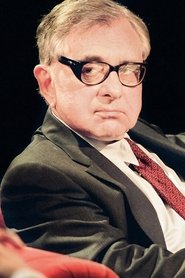
Dr. Bernard Nathanson, former abortionist and founder of NARAL, teaches the audience about the specifics of suction abortion, followed by an actual abortion of an 11-week old fetus as seen through ultrasound.
Cast & crew
More about this film
About the production
The film was produced in secrecy due to the controversial nature of showing actual abortion footage. The ultrasound footage was filmed using real-time ultrasound technology that was relatively new at the time. Dr. Nathanson served as both narrator and medical expert throughout the production. The film was shot on 16mm film and later transferred to video for wider distribution. The production team faced significant challenges in obtaining the abortion footage, which required cooperation from medical personnel who remained anonymous.
Themes
Themes & topics
Historical background
The Silent Scream (1984) emerged during contemporary moving-image culture, when exhibition habits and national film industries were still taking shape.
Why this film matters
The Silent Scream remains accessible through digital archives, giving modern viewers a direct link to 1984 screen culture.
Making of
The production of The Silent Scream was shrouded in secrecy due to its controversial subject matter. Director Jack Duane Dabner worked closely with Dr. Nathanson to capture the ultrasound footage, which required specialized equipment and medical cooperation. The filming of the actual abortion procedure presented significant ethical and legal challenges, requiring anonymous medical personnel who risked their careers to participate. The production team used state-of-the-art ultrasound technology for 1984, which was still relatively new and expensive equipment. Post-production involved extensive narration by Dr. Nathanson, who provided detailed medical explanations throughout the procedure. The film's distribution strategy was unconventional, bypassing traditional film distributors and instead working directly with religious and pro-life organizations to reach its target audience. This grassroots distribution approach proved highly effective, with the film reportedly being shown to millions of viewers in churches, schools, and community centers across America and internationally.
What critics said
Trade and revival screenings have kept The Silent Scream (1984) on the map for collectors and scholars rather than mass first-run promotion.
Did you know?
- Dr. Bernard Nathanson was a co-founder of NARAL (National Association for the Repeal of Abortion Laws) before becoming a prominent pro-life advocate
- The film was banned from television broadcast in several countries due to its graphic content
- The ultrasound footage shown in the film was considered groundbreaking at the time for its clarity and real-time imaging
- The film was distributed primarily through churches, pro-life organizations, and direct mail rather than traditional theatrical distribution
- Dr. Nathanson claimed to have personally performed over 60,000 abortions before his conversion
- The film sparked intense debate in medical communities about fetal pain and consciousness
- Ronald Reagan reportedly viewed the film and praised it, though this has been disputed by some sources
- The film's title refers to Nathanson's claim that the fetus cannot audibly scream but shows visible signs of distress
- The film was translated into multiple languages and distributed internationally by pro-life groups
- Several medical organizations criticized the film for what they called misleading medical claims and emotional manipulation
Awards & recognition
- Christian Film Distributors Association Award for Best Documentary (1985)
- Religious Film and Television Association Award (1985)
Visual style
The cinematography of The Silent Scream was notable for its pioneering use of real-time ultrasound imaging, which was cutting-edge technology for 1984. The film's visual approach combined traditional documentary techniques with medical imaging, creating a hybrid style that had rarely been seen before. The ultrasound footage, captured in black and white, provided unprecedented clarity in showing fetal movement and development during the first trimester. The cinematography team faced significant technical challenges in capturing clear ultrasound images while maintaining the documentary's narrative flow. Close-up shots of the ultrasound monitor were intercut with wider shots of Dr. Nathanson providing narration, creating a visual rhythm that balanced scientific explanation with emotional impact. The film's visual style was deliberately clinical and unflinching, avoiding artistic flourishes in favor of presenting what the filmmakers claimed to be objective medical evidence. This straightforward approach to the graphic content made the film particularly powerful and controversial.
Innovations
The Silent Scream was technically groundbreaking in its use of real-time ultrasound imaging to document an actual abortion procedure. The film utilized some of the most advanced ultrasound technology available in 1984, achieving unprecedented clarity in first-trimester fetal imaging. The technical team successfully synchronized the ultrasound footage with Dr. Nathanson's live narration, creating a cohesive narrative that was technically challenging given the limitations of the equipment. The film's post-production involved innovative techniques for enhancing the visibility of the ultrasound images while maintaining their authenticity. The production team also developed new methods for filming medical procedures in a way that was both informative and visually compelling. The film's distribution strategy, which involved mass duplication of videotapes for grassroots distribution, was innovative for documentary films of its era, bypassing traditional theatrical distribution channels to reach its target audience more effectively.
Music
The Silent Scream featured a minimal musical soundtrack, consisting primarily of somber, classical-style compositions that served to underscore the serious nature of the subject matter. The music was deliberately understated to avoid overwhelming the graphic medical imagery and Dr. Nathanson's narration. The score incorporated piano and string elements, creating a melancholic atmosphere that supported the film's anti-abortion message without being overly manipulative. Sound design focused heavily on the clarity of Dr. Nathanson's voice and the technical sounds of the ultrasound equipment. The absence of background music during the actual abortion procedure footage was a deliberate choice, allowing the natural sounds and Nathanson's narration to dominate the audio landscape. This minimalist approach to sound design contributed to the film's clinical, documentary feel while still maintaining emotional impact through strategic use of musical cues.
What audiences thought
Audience reception to The Silent Scream was intensely polarized and largely followed viewers' pre-existing positions on abortion. Pro-life audiences reported being deeply affected by the film, with many describing it as life-changing in their opposition to abortion. Churches and pro-life groups reported high attendance at screenings, with viewers often describing emotional and spiritual responses. The film became a staple of pro-life education programs and was shown extensively in schools, churches, and community centers throughout the 1980s and 1990s. Conversely, pro-choice audiences generally dismissed the film as manipulative propaganda, criticizing what they saw as emotional appeals over scientific accuracy. The film generated intense discussions wherever it was shown, often leading to heated debates about abortion, fetal development, and medical ethics. Many viewers, regardless of their stance on abortion, reported being disturbed by the graphic nature of the ultrasound footage. The film's impact was such that it became a cultural reference point in the abortion debate, with even those who hadn't seen it being aware of its controversial reputation.
Film connections
Influenced by
- Anti-abortion literature of the 1970s and early 1980s
- Medical documentary traditions
- Political propaganda films
- Educational films on medical procedures
This film influenced
- Eclipse of Reason
- sequel)
- The Hard Truth
- various anti-abortion documentaries)
- 180
- documentary)
- Numerous subsequent anti-abortion films utilizing ultrasound imagery]
- similarFilms
Where to watch
- Internet Archive: https://archive.org/details/SilentScreamAbortionOfPregnancy
- Wikimedia Commons: https://commons.wikimedia.org/wiki/File:The%20Silent%20Scream%20(1984).ogg