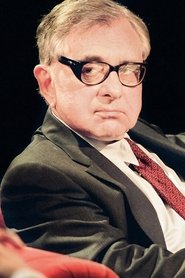
Bernard Nathanson
Actor
Born: July 31, 1926 in New York City, New York, USA Died: February 21, 2011 Active: 1984 (film work)
Films
1 film
About Bernard Nathanson
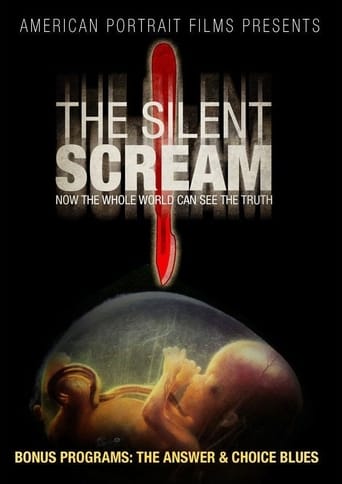
Bernard Nathanson was not a classic cinema actor from the silent era or Golden Age of Hollywood, but rather a prominent physician and abortion provider who later became a leading pro-life activist. Born in 1926, he co-founded the National Association for the Repeal of Abortion Laws (NARAL) in 1969 and was instrumental in liberalizing abortion laws in the United States. After performing an estimated 75,000 abortions, Nathanson underwent a dramatic ideological conversion in the late 1970s, becoming an outspoken opponent of abortion. His most notable film work was directing and producing the controversial 1984 documentary 'The Silent Scream,' which used ultrasound imagery to argue against abortion procedures. While he may have had a brief appearance in this film, his primary role was as director and medical expert, not as a professional actor. Nathanson's career was primarily in medicine and activism rather than entertainment, and he had no significant involvement in classic cinema.
The Craft
Milestones
- Co-founded NARAL (1969)
- Performed approximately 75,000 abortions
- Converted to pro-life stance (late 1970s)
- Directed 'The Silent Scream' (1984)
- Wrote 'The Abortion Papers' (1985)
- Directed 'Eclipse of Reason' (1987)
Best Known For
Iconic Roles
Must-See Films
Accolades
Special Recognition
- Recognized as a significant figure in abortion debate history
Working Relationships
Worked Often With
Why They Matter
Impact on Culture
Bernard Nathanson's impact was primarily in the political and medical spheres rather than cinema. His film 'The Silent Scream' was highly influential in the pro-life movement and was widely distributed to churches, schools, and political organizations. The film's use of ultrasound imagery was groundbreaking in abortion debate rhetoric and influenced how anti-abortion advocates would use technology in their messaging. While not a classic cinema figure, his documentary work had significant cultural and political impact during the 1980s culture wars.
Lasting Legacy
Nathanson's legacy is complex and controversial. He is remembered as a pivotal figure in both the pro-choice and pro-life movements, having been instrumental in both. His documentary work, particularly 'The Silent Scream,' remains a significant artifact in the history of abortion rhetoric in America. His personal journey from abortion provider to pro-life advocate made him a unique and polarizing figure whose influence extended far beyond cinema into American politics and social discourse.
Who They Inspired
Nathanson influenced the visual rhetoric of the pro-life movement through his innovative use of medical imaging technology in documentary filmmaking. His work inspired subsequent anti-abortion media to use similar scientific and medical approaches. His personal transformation story has been used by both sides of the abortion debate to support their arguments, and his films continue to be referenced in contemporary discussions about abortion policy and ethics.
Off Screen
Bernard Nathanson was married twice during his lifetime. He experienced a significant personal transformation from being a leading abortion provider to becoming a prominent pro-life advocate. His conversion was influenced by advances in ultrasound technology that he believed showed the humanity of the fetus. He spent his later years writing books and making films opposing abortion, becoming a controversial but influential figure in American political discourse.
Education
McGill University Faculty of Medicine (graduated 1949)
Family
- First wife (divorced)
- Christine (married until his death)
Did You Know?
- Was not a professional actor but a medical doctor
- Performed approximately 75,000 abortions before becoming pro-life
- Co-founded NARAL,
- His conversion to pro-life was influenced by viewing ultrasound images
- 'The Silent Scream' was narrated by Charlton Heston
- The film was shown on national television and widely distributed
- He was Jewish but converted to Catholicism later in life
- His medical license was suspended in 1979 for negligence
- Wrote several books about his experiences with abortion
- His films were controversial but influential in the pro-life movement
In Their Own Words
I was one of the founders of NARAL. I was a perpetrator of what I now know to be the most atrocious murder in the history of the human race.
The ultrasound technology has given us a window into the womb.
I have seen the silent scream and I have heard it.
I went from being an abortionist to being a pro-life advocate.
Frequently Asked Questions
Who was Bernard Nathanson?
Physician who became famous for his dramatic transformation from being a leading abortion provider and co-founder of NARAL to becoming a prominent pro-life activist and documentary filmmaker in the 1980s.
What films is Bernard Nathanson best known for?
Titles linked here include The Silent Scream (1984), Eclipse of Reason (1987).
When was Bernard Nathanson born and when did he die?
Born July 31, 1926; died February 21, 2011.
What awards did Bernard Nathanson win?
Bernard Nathanson did not receive traditional film industry awards, as his work was primarily in documentary filmmaking for political and advocacy purposes rather than entertainment cinema.
What was Bernard Nathanson's filmmaking style?
Nathanson's filmmaking style was documentary-based, focusing on medical imagery, particularly ultrasound technology, to support his anti-abortion message. His films combined scientific presentation with emotional appeals to influence viewers on the abortion issue.