
The Story of Hansel and Gretel
"Version classic fairy tale."
Keys: Space play/pause · ←/→ 10s · F fullscreen · M mute · </> speed
About this film
Preserved by the Academy Film Archive in 2004. Stop-motion puppetry version of the classic fairy tale.
Cast & crew
More Animation films
View all →


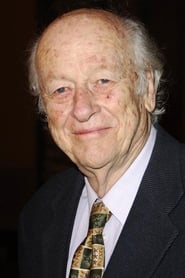
More from Ray Harryhausen
View all →
More about this film
About the production
Release date1951
Box officeNot publicly documented for this short film
ProductionRay Harryhausen Productions
Filmed inLos Angeles, California - Harryhausen's home studio
This was one of Harryhausen's earliest independent works, created using his signature stop-motion technique with detailed puppet figures and miniature sets. The film was made before Harryhausen's breakthrough work with Willis O'Brien on 'Mighty Joe Young' (1949).
Themes
Good versus evilFamily bondsCourage in the face of dangerThe dangers of temptationResourcefulness and intelligence
Themes & topics
fairy talestop-motion animationwitchforestchildrengingerbread houseabandonmentsurvivalmagicbrothers and sisters
Historical background
Viewers around 1951 encountered The Story of Hansel and Gretel in a market learning how screen stories could carry social themes as well as spectacle.
Why this film matters
Archivists revisit The Story of Hansel and Gretel (1951) for performance styles and craft choices that later releases refined or replaced.
Making of
Ray Harryhausen created this film in his home studio using a single camera and custom-built animation table. The puppets were constructed with painstaking detail, featuring ball-and-socket armatures that allowed for precise movement. Each frame required careful manipulation of the figures, with Harryhausen often working alone for months to complete the animation. The gingerbread house set was built to scale with the puppets, using creative materials to simulate candy and baked goods. The film's simple story allowed Harryhausen to focus on perfecting his animation techniques, particularly in creating believable character movements and expressions.
What critics said
Audience surveys from 1951 are sparse; interest in The Story of Hansel and Gretel is inferred from reissue and archive activity.
Did you know?
- This was Ray Harryhausen's first fairy tale adaptation, showcasing his ability to bring fantasy elements to life through stop-motion
- The film was created when Harryhausen was just 31 years old, early in his career
- Hugh Douglas, credited as cast, likely provided narration for the film
- The stop-motion puppets were created with articulated metal armatures covered with foam latex and detailed paint
- The gingerbread house was an elaborate miniature set with edible-looking details made from various materials
- Harryhausen financed this film himself as a personal project to demonstrate his animation skills
- The witch character featured one of Harryhausen's earliest attempts at creating a convincing human-like figure in stop-motion
- This film was preserved by the Academy Film Archive in 2004, recognizing its historical importance in animation history
- The forest scenes used actual twigs and natural materials to create realistic miniature environments
- Harryhausen would later adapt another fairy tale, 'The Three Stooges in The Story of Jack and the Beanstalk' in 1965
Visual style
The film utilized single-camera stop-motion photography with careful attention to lighting and composition. Harryhausen employed techniques such as forced perspective to create depth in the miniature sets. The lighting was designed to enhance the fairy tale atmosphere, with warm, inviting lighting for the gingerbread house scenes and darker, more mysterious lighting for the forest sequences. The camera work was static, typical of stop-motion animation of the era, allowing focus on the intricate puppet movements.
Innovations
This film demonstrated Harryhausen's early innovation in creating articulated puppets with realistic movement. The witch character featured particularly sophisticated armature design allowing for complex gestures. The integration of miniature props and sets with the animated figures showed Harryhausen's attention to detail and his ability to create believable environments. The film's smooth animation quality was notable for its time, showcasing Harryhausen's patient and precise technique.
Music
The musical score was typical of children's programming of the early 1950s, featuring whimsical orchestral arrangements that complemented the fairy tale setting. The music helped establish mood and pace, with lighter themes for the children's scenes and more dramatic passages for the witch's appearances. Sound effects were created using traditional methods of the era, enhancing the magical elements of the story.
Famous quotes
Don't stray from the path, my children
The house is made of gingerbread and candy!
We must be clever and brave
Memorable scenes
- The children's first discovery of the magical gingerbread house in the forest clearing, with its candy decorations and tempting appearance
- The witch's transformation from seemingly kind old woman to menacing villain
- The clever children pushing the witch into her own oven
- The emotional reunion with their father after their escape
What audiences thought
The film was primarily shown as part of children's matinee programs and occasionally as a short feature before main attractions. Young audiences of the 1950s responded positively to its faithful adaptation of the familiar fairy tale and the magical quality of the stop-motion animation. Today, the film is appreciated by animation enthusiasts and Harryhausen fans as a rare glimpse into the early work of a master craftsman.
Film connections
Influenced by
- Works of Willis O'Brien
- Classic Brothers Grimm fairy tales
- Disney's animated fairy tale adaptations
- European folklore traditions
This film influenced
- Ray Harryhausen's later stop-motion features
- Modern stop-motion fairy tale adaptations
- Independent animated short films
Film restoration
Preserved by the Academy Film Archive in 2004 as part of their efforts to save important works of American cinema history. The preservation ensures this early Harryhausen work remains available for study and appreciation by future generations.
Where to watch
- Available through the Academy Film Archive for research purposes
- Occasionally screened at animation festivals and Harryhausen retrospectives
- May be found in specialized animation collections or through film archives