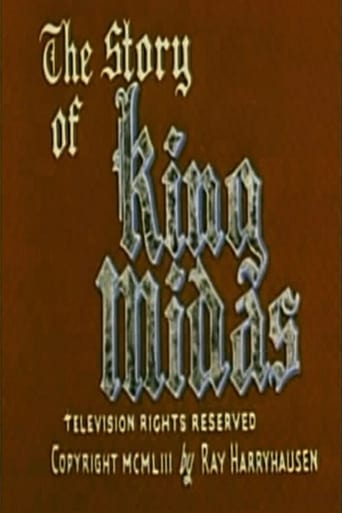
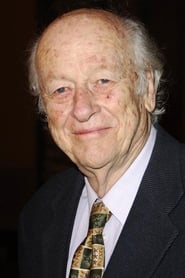
Ray Harryhausen
Director
Born: June 29, 1920 in Los Angeles, California, USA Died: May 7, 2013 Active: 1942-1981 Birth Name: Raymond Frederick Harryhausen
Films
3 films
About Ray Harryhausen
Visual effects creator, stop-motion animator, and producer who revolutionized special effects in cinema. Born in 1920, he became fascinated with animation after seeing Willis O'Brien's work in 'King Kong' (1933) and later studied under O'Brien. Harryhausen developed the technique of 'Dynamation,' which allowed live-action actors to interact seamlessly with animated creatures. His over four decades, during which he created some of the most memorable monsters and fantasy sequences in film history. He worked independently on many productions, giving him unprecedented creative control over his effects. Harryhausen received multiple Academy Awards and inspired generations of filmmakers with his innovative techniques. His final film was 'Clash of the Titans' (1981), after which he retired but remained a beloved figure in the film community until his death in 2013.
The Craft
Behind the Camera
Harryhausen was not primarily a director but a visual effects creator who often had creative control over his animated sequences. His approach was meticulous and artistic, focusing on bringing fantasy creatures to life with personality and realism. He would spend months crafting each frame of animation, ensuring that his monsters had distinct movements and behaviors.
Milestones
- Developed Dynamation technique for combining live-action with animation
- Created effects for 'The Beast from 20,000 Fathoms' (1953)
- Produced and animated 'The 7th Voyage of Sinbad' (1958)
- Directed stop-motion sequences for 'Jason and the Argonauts' (1963)
- Completed final feature film 'Clash of the Titans' (1981)
- Received Gordon E. Sawyer Award for technical achievement
- Published multiple books on animation techniques
Best Known For
Iconic Roles
Must-See Films
Accolades
Won
- Academy Award Gordon E. Sawyer Award (1992)
- Academy Scientific and Technical Award (1949)
- Saturn Lifetime Achievement Award (1976)
- BAFTA Fellowship (2010)
- Writers Guild of America Award (1975)
Nominated
- Academy Award for Best Visual Effects (1949) - 'Mighty Joe Young'
- Hugo Award for Best Dramatic Presentation (1963) - 'Jason and the Argonauts'
- Saturn Award for Best Special Effects (1981) - 'Clash of the Titans'
Special Recognition
- Hollywood Walk of Fame Star (2002)
- British Film Institute Fellowship (1990)
- George Melies Award (1995)
- Visual Effects Society Lifetime Achievement Award (2011)
- National Film Board of Canada Tribute (1980)
Working Relationships
Worked Often With
Studios
Why They Matter
Impact on Culture
Ray Harryhausen fundamentally changed how audiences experienced fantasy and science fiction films. His creatures became cultural icons, influencing everything from video games to modern blockbusters. The skeleton fight scene from 'Jason and the Argonauts' remains. Harryhausen's work bridged the gap between practical effects and digital effects, with many modern CGI artists citing him as a primary inspiration. His films introduced generations to mythology and classic literature, making these stories accessible and exciting for mass audiences.
Lasting Legacy
Harryhausen's legacy extends far beyond his filmography. The Ray and Diana Harryhausen Foundation preserves his collection of models, artwork, and films, ensuring future generations can study his techniques. The term 'Harryhausen-esque' has entered the film vocabulary to describe a certain style of stop-motion animation. His influence can be seen in modern films like 'Jurassic Park,' 'Lord of the Rings,' and 'Avatar,' which owe a debt to his work in creating believable fantasy creatures. Multiple documentaries and books have been produced about his life and work, cementing his status as one of cinema's most important technical artists.
Who They Inspired
Harryhausen influenced countless filmmakers including Steven Spielberg, George Lucas, Peter Jackson, Tim Burton, and James Cameron. Spielberg called him 'the father of modern special effects' and Lucas cited Harryhausen's work as inspiration for Star Wars. Jackson's early films show clear Harryhausen influence, and Burton's 'The Nightmare Before Christmas' owes a debt to Harryhausen's style. Modern animators at studios like Laika and Aardman continue to work in traditions he helped establish. His emphasis on character and personality in animated creatures set a standard that digital effects artists still strive to meet today.
Off Screen
Ray Harryhausen married Diana Livingstone Bruce in 1963, and they remained together until his death. He was known for his private nature but was generous with fans and aspiring animators. He spent his later years writing books about his techniques and preserving his legacy through the Ray and Diana Harryhausen Foundation. He lived in London for many years before returning to the United States in his final years.
Education
Los Angeles City College, Art instruction under Frank Lloyd Wright, Animation studies under Willis O'Brien
Family
- Diana Livingstone Bruce (1963-2013)
Did You Know?
- His first professional work was creating animated dinosaurs for the 1949 film 'Mighty Joe Young'
- He created over 50 different creatures for his films throughout his career
- The skeleton fight in 'Jason and the Argonauts' took 4.5 months to animate
- He was rejected by Disney for being too artistic when he applied for a job
- His models were typically 16-18 inches tall
- He often used his own hands and body parts for reference in his animations
- He was a close friend of author Ray Bradbury
- His wife Diana was the great-great-granddaughter of explorer David Livingstone
- He received a special tribute at the 2012 Academy Awards
- The asteroid '10134 Harryhausen' was named in his honor
- He never used computers in his animation process, preferring traditional stop-motion methods
In Their Own Words
I've had a wonderful career. I've been able to do what I wanted to do, and I've been able to do it my way.
Fantasy is a dream world, and I've always tried to make my fantasies as real as possible.
I don't do monsters. I do characters. They may be ugly, but they have personalities.
The secret to stop-motion is to give your creations a soul.
Every frame is a new problem to solve, and that's what makes it so exciting.
I was never interested in making realistic films. I wanted to make fantasy films that looked real.
Frequently Asked Questions
Who was Ray Harryhausen?
visual effects creator and stop-motion animator who revolutionized fantasy and science fiction cinema from the 1950s through the 1980s. He developed the Dynamation technique and created iconic creatures for films like 'Jason and the Argonauts' and 'Clash of the Titans'.
What films is Ray Harryhausen best known for?
Titles linked here include Jason and the Argonauts (1963), The 7th Voyage of Sinbad (1958).
When was Ray Harryhausen born and when did he die?
Born June 29, 1920; died May 7, 2013.
What awards did Ray Harryhausen win?
Harryhausen received an Academy Award Gordon E. Sawyer Award for lifetime technical achievement, a BAFTA Fellowship, a Saturn Lifetime Achievement Award, and multiple other honors recognizing his contributions to cinema and visual effects.
What was Ray Harryhausen's animation style?
Harryhausen's style combined meticulous stop-motion animation with his innovative Dynamation technique, allowing live actors to interact seamlessly with animated creatures. He emphasized giving his monsters personality and character, making them feel like living beings rather than mere special effects.