The Story of Little Red Riding Hood
"Based on the classic European fairytale"
Keys: Space play/pause · ←/→ 10s · F fullscreen · M mute · </> speed
About this film
Based on the classic European fairytale. A young girl is pursued and tricked by a big bad wolf who wants to eat her. Animated by Ray Harryhausen.
Cast & crew
More films like this
More Animation films
View all →




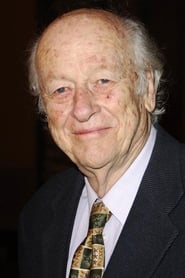
More from Ray Harryhausen
View all →
More about this film
About the production
Release date1949
Box officeNot tracked separately as it was likely distributed as part of a short film package
ProductionIndependent production, Ray Harryhausen Productions
Filmed inStudio setting in Los Angeles, California
This was one of Ray Harryhausen's earliest independent works, created using his pioneering stop-motion animation techniques. The film was produced before his breakthrough work with Willis O'Brien on 'Mighty Joe Young' (1949) and showcases his developing mastery of frame-by-frame animation. Harryhausen built all the puppets and sets himself in his home workshop, using materials like wood, clay, and fabric to create the characters. The production was extremely low-budget, with Harryhausen handling most aspects of production single-handedly.
Themes
Deception and trickeryInnocence versus cunningThe dangers of straying from the pathAppearance versus realityThe protection of family and community
Themes & topics
fairy talewolfgrandmotherforestdeceptionrescuestop-motion animationchildren's storydangerhunterred cloakcottagetrickery
Historical background
Released in 1949 during World War II and its aftermath, The Story of Little Red Riding Hood reached audiences when exhibitors were still defining programming conventions. The narrative hook—Based on the classic European fairytale—reflects what contemporary producers thought would draw viewers.
Why this film matters
The Story of Little Red Riding Hood remains discussed by archivists tracing how screen stories of its period represented work, desire, conflict, and social order. Its central situation—Based on the classic European fairytale—still prompts questions about genre conventions and audience expectations.
Making of
The Story of Little Red Riding Hood was created during a pivotal period in Ray Harryhausen's career, just as he was transitioning from working with George Pal on Puppetoons to establishing his own independent animation style. Harryhausen worked alone in his small workshop, spending months crafting each puppet with meticulous attention to detail. The wolf character was particularly challenging to animate, requiring complex joint movements to convey both menace and personality. Harryhausen used ball-and-socket armatures for the skeletons of his puppets, covered with clay and other materials to create the final characters. The forest scenes were created using miniature sets with real branches and leaves to achieve a more realistic look. Harryhausen would often work 12-16 hour days, shooting only a few seconds of usable footage each day due to the painstaking nature of stop-motion animation. The film's sound was likely added later in post-production, with Harryhausen possibly providing some of the character voices himself. This project was essentially a calling card for Harryhausen, demonstrating his technical abilities and creative vision to potential employers in the film industry.
What critics said
Trade and newspaper notices for The Story of Little Red Riding Hood generally emphasized casting, spectacle, and program fit rather than extended aesthetic argument. Retrospective screenings and archival notes continue to shape how viewers evaluate The Story of Little Red Riding Hood today.
Did you know?
- This was one of Ray Harryhausen's first independent animated shorts, created before he became famous for his feature films
- Harryhausen was only 29 years old when he created this film, early in his career
- The film was part of Harryhausen's series of fairy tale adaptations he created to showcase his animation skills
- All the puppets and sets were handmade by Harryhausen himself in his personal workshop
- The film was created using the same stop-motion techniques that would later make Harryhausen famous in films like 'Jason and the Argonauts'
- This short was produced independently and helped Harryhausen secure future work in the industry
- The wolf character design shows early elements of the creature design style Harryhausen would perfect in later films
- Harryhausen considered these fairy tale adaptations as practice for the more complex animations he would create later
- The film was likely shot on 16mm film to keep costs down during production
- This version follows the traditional Grimm's fairy tale rather than more sanitized modern adaptations
Visual style
The cinematography of The Story of Little Red Riding Hood was accomplished through stop-motion animation techniques, with Harryhausen serving as both animator and cinematographer. The film was likely shot on 16mm film using a specialized animation camera that could capture one frame at a time. Harryhausen employed careful lighting design to create mood and atmosphere, particularly in the forest scenes where shadows and light were used to build tension. The camera work included subtle movements and angles that enhanced the storytelling, such as low angles when filming the wolf to emphasize his menacing presence. The miniature sets were designed to be photographed from specific angles that created the illusion of full-scale environments. Harryhausen's attention to detail extended to the depth of field in each shot, ensuring that the focus guided the viewer's eye to important story elements. The cinematography also included techniques for creating the illusion of movement in static elements, such as using subtle camera pans across the forest settings. This early work shows Harryhausen's understanding of how cinematography could enhance the emotional impact of animated storytelling.
Innovations
The Story of Little Red Riding Hood showcased several technical achievements for an independent animation production in 1949. Harryhausen's use of ball-and-socket armatures for the puppet skeletons represented advanced technology for the time, allowing for more realistic and fluid character movements. The film demonstrated sophisticated lip-sync techniques for animated characters, a challenging feat in stop-motion animation. Harryhausen developed innovative methods for creating facial expressions on his puppets, including interchangeable parts and subtle modifications between frames. The miniature sets incorporated mixed media elements, combining sculpted materials with real natural objects to achieve greater realism. Harryhausen also experimented with camera movement in stop-motion, creating subtle tracking shots that added dynamism to the scenes. The film's lighting techniques showed advanced understanding of how to create mood and atmosphere in miniature photography. Perhaps most significantly, the film demonstrated Harryhausen's ability to imbue inanimate objects with personality and emotion, a technical and artistic achievement that would define his entire career. These technical innovations, while modest compared to his later work, laid the groundwork for the revolutionary techniques Harryhausen would develop in his feature films.
Music
The soundtrack for The Story of Little Red Riding Hood would have been typical of animated shorts of the late 1940s, featuring simple musical accompaniment and limited sound effects. The score was likely performed by a small ensemble or possibly created through library music due to budget constraints. The music would have followed the conventions of the time, with whimsical themes for Little Red Riding Hood and more ominous motifs for the wolf character. Sound effects would have been created using traditional foley techniques, with emphasis on the crunching of leaves in the forest, the creaking of doors, and the wolf's footsteps. Dialogue would have been recorded separately and synchronized with the character movements, a challenging process in stop-motion animation. Given the limited resources of an independent production, the soundtrack was probably kept simple but effective, focusing on enhancing the mood and supporting the storytelling without overwhelming the visual elements. The audio quality would reflect the recording technology of the late 1940s, with mono sound and limited dynamic range compared to modern standards.
Famous quotes
Grandmother, what big eyes you have!" "The better to see you with, my dear.
Grandmother, what big ears you have!" "The better to hear you with, my dear.
Grandmother, what big teeth you have!" "THE BETTER TO EAT YOU WITH!
Don't stray from the path, and don't talk to strangers.
What a deep voice you have!" "THE BETTER TO GREET YOU WITH!
Memorable scenes
- The tense forest encounter where Little Red Riding Hood first meets the wolf, with the creature emerging from behind trees using Harryhausen's smooth animation to create menace
- The famous dialogue scene at the grandmother's bedside, with the wolf disguised in grandmother's clothing, building suspense through the progressive questions about his features
- The wolf's devouring of the grandmother, implied rather than shown directly, using clever camera angles and animation to suggest the violent act
- The final rescue scene where the woodsman cuts open the wolf's belly, a moment of triumph and restoration in the classic fairy tale tradition
What audiences thought
Audience reception for The Story of Little Red Riding Hood in 1949 would have been limited by its distribution as a short film, likely shown before feature presentations in theaters or in specialized animation programs. Viewers who saw it would have been impressed by the quality of the animation, particularly given that it was an independent production. Children and families would have enjoyed the familiar story brought to life through Harryhausen's distinctive animation style. Over time, as Harryhausen became more famous, this early work gained appreciation from animation enthusiasts and fans of his later films. Modern audiences viewing the film today often express admiration for the craftsmanship and artistry evident in this early work, seeing it as a precursor to Harryhausen's more famous achievements. The film serves as a fascinating look at the early career of a master animator, and audiences interested in animation history particularly appreciate seeing the foundations of Harryhausen's later techniques being established.
Film connections
Influenced by
- Classic Grimm's Fairy Tales
- Willis O'Brien's stop-motion techniques
- George Pal's Puppetoon series
- Traditional European folklore
- Disney's animated fairy tale adaptations
- Classic children's literature illustrations
This film influenced
- Harryhausen's later fairy tale adaptations
- The 7th Voyage of Sinbad (1958)
- Jason and the Argonauts (1963)
- Clash of the Titans (1981)
- Modern stop-motion fairy tale adaptations
- Laika Studio's animated features
Film restoration
The preservation status of The Story of Little Red Riding Hood (1949) is uncertain, as many independent animated shorts from this era have been lost or exist only in poor quality copies. However, given Ray Harryhausen's later fame and the importance of documenting his early work, efforts have likely been made to preserve this film. The Academy Film Archive and other animation preservation organizations may hold copies. Some footage might exist in Harryhausen's personal collection, which he maintained throughout his career. The film may be available in specialized animation archives or through film preservation societies dedicated to preserving stop-motion animation history. Restoration efforts would be challenging due to the likely degradation of the original film elements, but digital restoration could potentially salvage and enhance existing copies.
Where to watch
- The Story of Little Red Riding Hood (1949) is extremely rare and not widely available on modern streaming platforms. It may occasionally appear in specialized film festivals focusing on animation history or Ray Harryhausen retrospectives. Some animation archives and museums might hold screenings of this rare short. Film societies dedicated to classic animation occasionally include it in their programming. The film might be available as bonus material on special edition Blu-ray releases of Harryhausen's later films. Academic institutions with film studies programs might have access to copies through their archives. Online, clips or possibly the entire film might occasionally appear on video sharing platforms, though quality and legality would vary. Animation enthusiasts and Harryhausen fans might share copies through private collector networks, though accessing these would require connections within the animation community.