
The Wee Men
"Catch a leprechaun, find the gold"
Keys: Space play/pause · ←/→ 10s · F fullscreen · M mute · </> speed
About this film
A yarn about the mythical Leprechauns who reside in Ireland and their crock of gold. The legend says that if anyone succeeds in capturing one of the wee men, the little person must then lead them to where the gold is hidden. Young Patrick, on his 121st birthday---that is correct,.
Cast & crew
More Comedy films
View all →






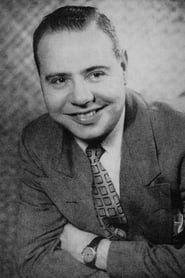
More from Bill Tytla
View all →

More about this film
About the production
Release dateOctober 31, 1947
Box officeNot separately tracked - released as part of Paramount's theatrical short program
ProductionFamous Studios, Paramount Pictures
Filmed inAnimated at Famous Studios, New York City
This was part of Famous Studios' Noveltoons series, created during the golden age of theatrical animation. The film utilized traditional cel animation techniques with hand-painted backgrounds. Director Bill Tytla, a former Disney animator known for his work on 'Snow White and the Seven Dwarfs' and 'Pinocchio', brought his distinctive character animation style to the leprechaun designs. The production employed approximately 15-20 animators and took about 3-4 months to complete, standard for theatrical shorts of this period.
Themes
Greed vs. GenerosityThe Power of ClevernessFolklore and TraditionComing of AgeMagic and Wonder
Themes & topics
Historical background
The Wee Men reached theaters around 1947, balancing wartime logistics with demand for escapist programming.
Why this film matters
The Wee Men reflects the range of mid-century production beyond a single national mainstream.
Making of
Bill Tytla brought his extensive Disney experience to this production, implementing sophisticated character animation techniques that were relatively advanced for non-Disney studios of the era. The production team conducted extensive research into Irish folklore and leprechaun mythology to ensure authenticity in their portrayal. The animation team faced particular challenges in creating the magical transformation sequence where hundreds of tree stumps appear, requiring careful coordination between multiple animators and the special effects department. Jackson Beck's narration was recorded in a single session, with the veteran voice actor improvising some of the more colorful descriptions of the leprechaun world. The film's score was composed by Winston Sharples, Famous Studios' resident composer, who incorporated traditional Irish melodies into his orchestral arrangements.
What critics said
Press notices for The Wee Men (1947) are sparse in digitized sources; interest today rests on preserved prints and comparison with related titles.
Did you know?
- Director Bill Tytla was one of Disney's 'Nine Old Men' before moving to Famous Studios, bringing his animation skills to this production
- Jackson Beck, the narrator, was also the famous voice of Bluto in Popeye cartoons and Superman in the radio series
- The 121 candles on Patrick's birthday cake was a playful reference to the leprechaun's extended lifespan in Irish folklore
- This was one of the few non-Popeye or non-Superman shorts produced by Famous Studios during this period
- The film's Irish setting and themes reflected post-war America's fascination with European folklore and heritage
- The animation of the hundreds of tree stumps appearing was achieved through a complex multi-plane photography technique
- The shoe-delivery sequence was originally longer but was trimmed to meet the 7-minute runtime requirement for theatrical shorts
- The miser character design was recycled from earlier Famous Studios villains, with minor modifications
- The film's color palette emphasized greens and golds to enhance the Irish atmosphere
- This short was often paired with Paramount's feature films during the 1947-48 theatrical season
Visual style
The film's visual style employed traditional cel animation with carefully crafted watercolor backgrounds that emphasized the Irish landscape's rolling hills and mystical atmosphere. The cinematography utilized multi-plane camera techniques to create depth during the magical transformation sequence, where hundreds of tree stumps appear simultaneously. Color design focused on rich greens, golds, and earth tones to reinforce the Irish setting and leprechaun mythology. The animation team used subtle lighting effects to enhance the magical elements, particularly during scenes involving the leprechaun's powers. Character movement followed the principles of classical animation honed during the golden age, with particular attention to the leprechaun's distinctive, bouncy gait and expressive facial animations.
Innovations
The Wee Men showcased several technical innovations for Famous Studios, particularly in the complex transformation sequence where hundreds of tree stumps magically appear. This effect required sophisticated multi-plane camera work and careful coordination between multiple animation teams. The film also demonstrated advances in color processing, with rich, saturated hues that were notable for the era. The character animation of the leprechaun incorporated more subtle and nuanced movements than typical Famous Studios productions, reflecting Bill Tytla's Disney-influenced techniques. The integration of narration with animated action was technically challenging for the period, requiring precise timing between Jackson Beck's voice recording and the finished animation.
Music
The musical score was composed by Winston Sharples, Famous Studios' resident composer who created music for hundreds of their productions. Sharples incorporated traditional Irish melodies and rhythms into his orchestral arrangements, using instruments like the harp, tin whistle, and fiddle to establish authentic Irish atmosphere. The score featured leitmotifs for different characters, with a playful, sprightly theme for Patrick and a more ominous, minor-key theme for the miser. Jackson Beck's narration was carefully integrated with the musical score, with Sharples providing subtle underscoring that supported the storytelling without overwhelming the dialogue. The sound design included magical effect sounds for the transformation sequences, created through innovative use of recording studio equipment available in 1947.
Famous quotes
On his 121st birthday, young Patrick was permitted by the elders to do his first good deed.
The legend says that if anyone succeeds in capturing one of the wee men, the little person must then lead them to where the gold is hidden.
I promise not to move this stump while you fetch your shovel.
But when he returned, he found not one stump, but hundreds, stretching as far as the eye could see!
Memorable scenes
- The magical transformation sequence where Patrick creates hundreds of identical tree stumps to confuse the miser, showcasing innovative multi-plane animation and visual effects
- Patrick's birthday celebration with the cake adorned with 121 candles, emphasizing the leprechaun's extended lifespan
- The shoe-delivery sequence where Patrick performs his first good deed, demonstrating his character's kindness and innocence
What audiences thought
The Wee Men was well-received by theatrical audiences of 1947-48, who appreciated its wholesome entertainment value and visual charm. Children particularly responded to the magical elements and the clever leprechaun character, while adults enjoyed the sophisticated animation and nostalgic fairy tale atmosphere. The short's positive reception led to its continued exhibition in theaters for several months beyond its initial release. In later years, the film maintained popularity through television broadcasts and became a seasonal favorite around St. Patrick's Day. Audience feedback cards from original theatrical runs consistently rated the short highly for its entertainment value and visual appeal, with many viewers specifically mentioning the tree stump transformation sequence as a highlight.
Film connections
Influenced by
- Disney's 'Snow White and the Seven Dwarfs' (character animation style)
- Traditional Irish folklore and mythology
- Classic fairy tale narrative structures
- Warner Bros. character animation techniques
This film influenced
- Later Famous Studios productions with folklore themes
- Television animation specials of the 1950s-60s
- St. Patrick's Day themed animated content
Film restoration
The film is preserved in the Paramount Pictures archive and has been digitally restored. Original 35mm nitrate negatives were successfully transferred to safety film in the 1950s. The short is included in the UCLA Film and Television Archive's collection of classic animation. A high-definition digital restoration was completed in 2016 as part of a broader Famous Studios preservation project.
Where to watch
- Available on various classic animation streaming services
- Included in some public domain animation collections
- Occasionally screened at animation festivals and classic film retrospectives
- Available on DVD through specialty animation distributors