Bill Tytla
Director
Born: October 25, 1904 in Yonkers, New York, USA Died: December 30, 1968 Active: 1924-1968 Birth Name: Vladimir Peter Tytla
Films
8 films

About Bill Tytla
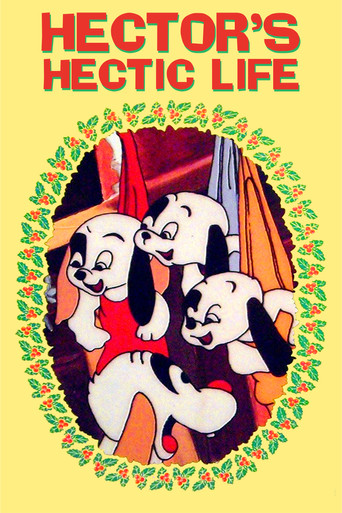
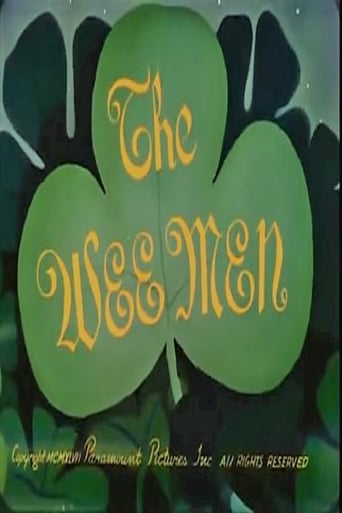
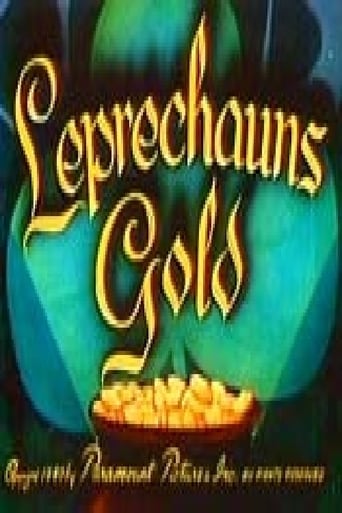
Vladimir Peter 'Bill' Tytla was and innovative animators of the Golden Age of American animation, renowned for his powerful and emotionally charged character animation. Born to Ukrainian immigrant parents in Yonkers, New York, Tytla began his animation career in the early 1920s, working for various New York studios before joining Walt Disney Productions in 1934. At Disney, he became for his ability to animate characters with unprecedented weight, emotion, and personality, most notably creating the terrifying Chernabog in 'Fantasia' and the menacing Stromboli in 'Pinocchio.' After leaving Disney in 1943 following a labor dispute, Tytla worked at Famous Studios (Paramount) where he directed several animated shorts including 'The Wee Men,' 'Hector's Hectic Life,' and 'Leprechauns Gold.' His later career included work at Terrytoons and commercial animation, though he never again reached the creative heights of his Disney period. Tytla's influence on animation technique and character performance remains profound, with his work studied by animators to this day.
The Craft
Behind the Camera
Tytla's directing style emphasized strong character animation and emotional storytelling, bringing the same principles of weight, timing, and personality that made his Disney work legendary to his short films at Famous Studios. His direction focused on creating memorable characters with distinct personalities and physical presence.
Milestones
- Joined Walt Disney Productions in 1934
- Animated Stromboli in Pinocchio (1940)
- Created Chernabog sequence in Fantasia (1940)
- Worked on Snow White and the Seven Dwarfs (1937)
- Directed animated shorts at Famous Studios (1947-1950)
- Pioneered techniques for animating weight and mass
Best Known For
Iconic Roles
Must-See Films
Accolades
Won
- Windsor McCay Award (1968, posthumous)
Nominated
- Academy Award nomination for Best Animated Short Film - The Wee Men (1948)
Special Recognition
- Disney Legend Award (1998, posthumous)
- Inducted into the Animation Hall of Fame
Working Relationships
Worked Often With
Studios
Why They Matter
Impact on Culture
Bill Tytla revolutionized character animation by introducing unprecedented weight, mass, and emotional depth to animated characters. His work on Chernabog in 'Fantasia' created one of cinema's most terrifying animated villains, demonstrating that animation could achieve the same dramatic impact as live-action performance. Tytla's techniques for animating heavy objects and powerful movements became foundational principles in animation education. His ability to convey complex emotions through animated characters helped establish animation as a serious art form capable of sophisticated storytelling.
Lasting Legacy
Tytla's legacy endures through his groundbreaking animation techniques that continue to influence animators worldwide. His work on Disney's golden age classics represents some of the finest character animation ever created, with his scenes frequently studied and analyzed by animation students and professionals. The principles he developed for animating weight, timing, and emotional performance remain cornerstones of traditional animation education. Despite his relatively short period of directorial work, his contributions to the art form have earned him recognition as one of animation's masters.
Who They Inspired
Tytla influenced countless animators through his powerful character animation style, particularly in conveying weight and emotion. His work inspired later Disney animators like Andreas Deja and Glen Keane. The techniques he developed for animating massive characters like Chernabog influenced the animation of everything from giant monsters to subtle character movements. His emphasis on studying live-action models and understanding physics in animation became standard practice in the industry.
Off Screen
Bill Tytla married Adrienne LeConte in 1936, and they had two children together. His family life was often strained by his intense work ethic and perfectionism. Tytla was known for his passionate temperament both in his art and personal relationships. He struggled with alcoholism in his later years, which affected his career opportunities. Despite his professional success, he remained relatively private about his personal life and maintained close ties to his Ukrainian heritage throughout his life.
Education
Attended the New York School of Fine and Applied Arts (now Parsons School of Design), studied under drawing teacher Ivan Olinsky at the National Academy of Design
Family
- Adrienne LeConte (1936-1968)
Did You Know?
- Was originally named Vladimir but changed to 'Bill' for professional use
- Studied briefly in Paris before returning to America
- Was known for his intense temper and perfectionism
- Left Disney due to the 1941 animators' strike
- Could animate up to 30 feet of film per day when inspired
- His animation of Chernabog took over a year to complete
- Was one of the highest-paid animators at Disney during his tenure
- His Ukrainian heritage influenced his artistic sensibilities
- Worked briefly for the U.S. Army producing training films during WWII
- His final years were spent teaching animation and doing commercial work
In Their Own Words
Animation is not the art of drawings that move but the art of movements that are drawn.
If you can't feel it, you can't animate it.
Every character has a soul - it's the animator's job to find it.
Weight is not just physical, it's emotional too.
The best animation comes from understanding the character's heart.
Frequently Asked Questions
Who was Bill Tytla?
Animator and animation on YTB.my. He created some of animation's most memorable characters, including Chernabog in 'Fantasia' and Stromboli in 'Pinocchio.'
What films is Bill Tytla best known for?
Titles linked here include Fantasia (1940), Pinocchio (1940).
When was Bill Tytla born and when did he die?
Born October 25, 1904; died December 30, 1968.
What awards did Bill Tytla win?
Tytla received the Windsor McCay Award posthumously in 1968 for lifetime achievement in animation. He was also honored with the Disney Legend Award posthumously in 1998 and inducted into the Animation Hall of Fame for his contributions to the art form.
What was Bill Tytla's animation style?
Tytla's animation style was characterized by exceptional attention to weight, mass, and emotional depth. He pioneered techniques for making animated characters feel physically substantial and emotionally complex, often using live-action reference and studying physics to achieve realistic movement.
Why did Bill Tytla leave Disney?
Tytla left Disney in 1943 following the contentious animators' strike of 1941. His involvement in the labor dispute and subsequent tensions with the studio management led to his departure, after which he worked at other animation studios including Famous Studios and Terrytoons.
What is Bill Tytla's legacy in animation?
Tytla's legacy includes revolutionizing character animation through his innovative techniques for conveying weight and emotion. His work continues to be studied by animators worldwide, and his principles of character performance remain fundamental to animation education. He's considered one of the greatest animators in the history of the medium.