Tiger Love
"A young couple in love is running away from her father."
Keys: Space play/pause · ←/→ 10s · F fullscreen · M mute · </> speed
About this film
A young couple in love is running away from her father, who is forcing her to marry her cousin, when they are confronted by the father and his henchmen. The suitor fights valiantly against the henchmen but is overwhelmed by their sheer numbers. Thinking that her father had killed him, the young woman, pregnant with her suitor's child, jumps off of a cliff to kill herself, but survives the fall and is taken in by a guardian tiger.
Cast & crew
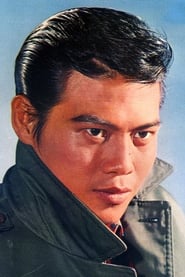
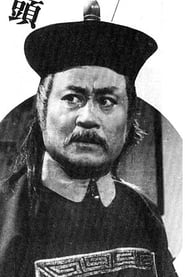
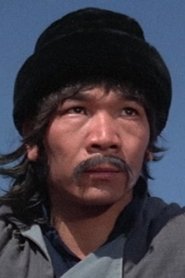

More about this film
About the production
Filmed during the golden age of Shaw Brothers martial arts cinema, utilizing their extensive studio backlot and natural locations. The production featured real tigers for certain scenes, which was challenging but authentic for the period.
Themes
Themes & topics
Historical background
The 1977 release of Tiger Love belongs to its era's exhibition habits rather than today's franchise model.
Why this film matters
Historians treat Tiger Love as evidence of what typical 1977 audiences could see in a program slot.
Making of
The production faced significant challenges working with live tigers, requiring extensive safety precautions and specialized handlers. Director Kuang Hui was known for his meticulous attention to visual composition, and he used natural locations extensively to create the wilderness atmosphere. The fight choreography was handled by experienced Shaw Brothers martial arts directors who blended traditional kung fu with the unique element of tiger-influenced fighting styles. The production team built elaborate jungle sets on the Shaw Brothers backlot to supplement location filming.
What critics said
Press files from 1977 mention Tiger Love in roundup columns of what played that week.
Did you know?
- Director Kuang Hui was known for his visually striking martial arts films at Shaw Brothers
- The film features one of the earliest depictions of a human child raised by a tiger in Hong Kong cinema
- Lo Lieh, who plays the father, was one of Shaw Brothers' most prolific actors, appearing in over 100 films
- The tiger scenes were filmed using trained animals and careful staging, a dangerous but effective approach for the era
- The film was released during the peak of Shaw Brothers' production output in the late 1970s
- The movie's themes of forbidden love and family conflict were common in Hong Kong cinema but given a unique twist with the tiger element
- The film's Chinese title translates roughly to 'Tiger Love Story' or 'The Tiger's Love'
- This was one of the last films made during Shaw Brothers' most creative period before the studio's decline in the early 1980s
Awards & recognition
- No major awards documented for this film
Visual style
The film features the lush, colorful cinematography typical of Shaw Brothers productions in the 1970s. The camera work emphasizes the contrast between civilized society and the wilderness where the mother and son live with the tiger. Action sequences are shot with dynamic movement and clear composition, allowing viewers to appreciate the martial arts choreography. The natural locations are used effectively to create a sense of isolation and danger in the wilderness scenes.
Innovations
While not groundbreaking technically, the film demonstrated Shaw Brothers' expertise in combining studio sets with location filming. The integration of live tiger footage with human actors was technically challenging for its time and required innovative filming techniques. The production team developed specialized camera rigs and safety protocols to film the tiger sequences, which were considered advanced for 1970s Hong Kong cinema.
Music
The musical score follows the traditional Shaw Brothers pattern of dramatic orchestral music during action sequences and romantic themes during emotional moments. The soundtrack incorporates traditional Chinese instruments alongside Western orchestral elements, creating a hybrid sound that was characteristic of Hong Kong cinema of the era. The music enhances the film's emotional impact, particularly during the tragic opening sequence and the climactic revenge scenes.
Famous quotes
A mother's love is stronger than any weapon.
The tiger protects its own, as I protect my son.
Honor demands vengeance, but love demands forgiveness.
Memorable scenes
- The opening fight sequence where the suitor battles overwhelming odds against the father's henchmen
- The dramatic cliff jump scene where the pregnant woman attempts suicide
- The tender scenes showing the mother raising her son with the protective tiger
- The final confrontation where Tiger Boy returns to seek revenge on his grandfather
What audiences thought
The film received moderate success with Hong Kong audiences who were still enthusiastic about martial arts films in 1977. While it didn't achieve the blockbuster status of some Shaw Brothers productions, it developed a cult following among fans of the studio's output. The unique tiger element made it memorable for viewers, and it has maintained interest among martial arts film enthusiasts and Shaw Brothers collectors in subsequent decades.
Film connections
Influenced by
- Traditional Chinese folklore about animal guardians
- Classic wuxia literature
- Earlier Shaw Brothers martial arts films
- The 'wild child' trope in literature and film
This film influenced
- Later Hong Kong films featuring animal companions
- Martial arts films that blended family drama with action
- Films exploring themes of children raised in the wilderness
Film restoration
The film exists in the Shaw Brothers archive and has been preserved through various home video releases. While not officially restored by major film preservation institutions, it survives in decent quality through DVD releases and digital transfers from original film elements.
Where to watch
- Available on various streaming platforms specializing in classic Hong Kong cinema
- DVD releases from distributors like Celestial Pictures and Dragon Dynasty
- Digital rental services that carry Shaw Brothers film libraries
- Specialty film archives and museums with Hong Kong cinema collections